You wake up tired, hit the afternoon energy crash by 3pm, and wonder why your body feels like it’s running on fumes, and the answer might be hiding in your fasting blood sugar levels.
What are fasting blood sugar levels?
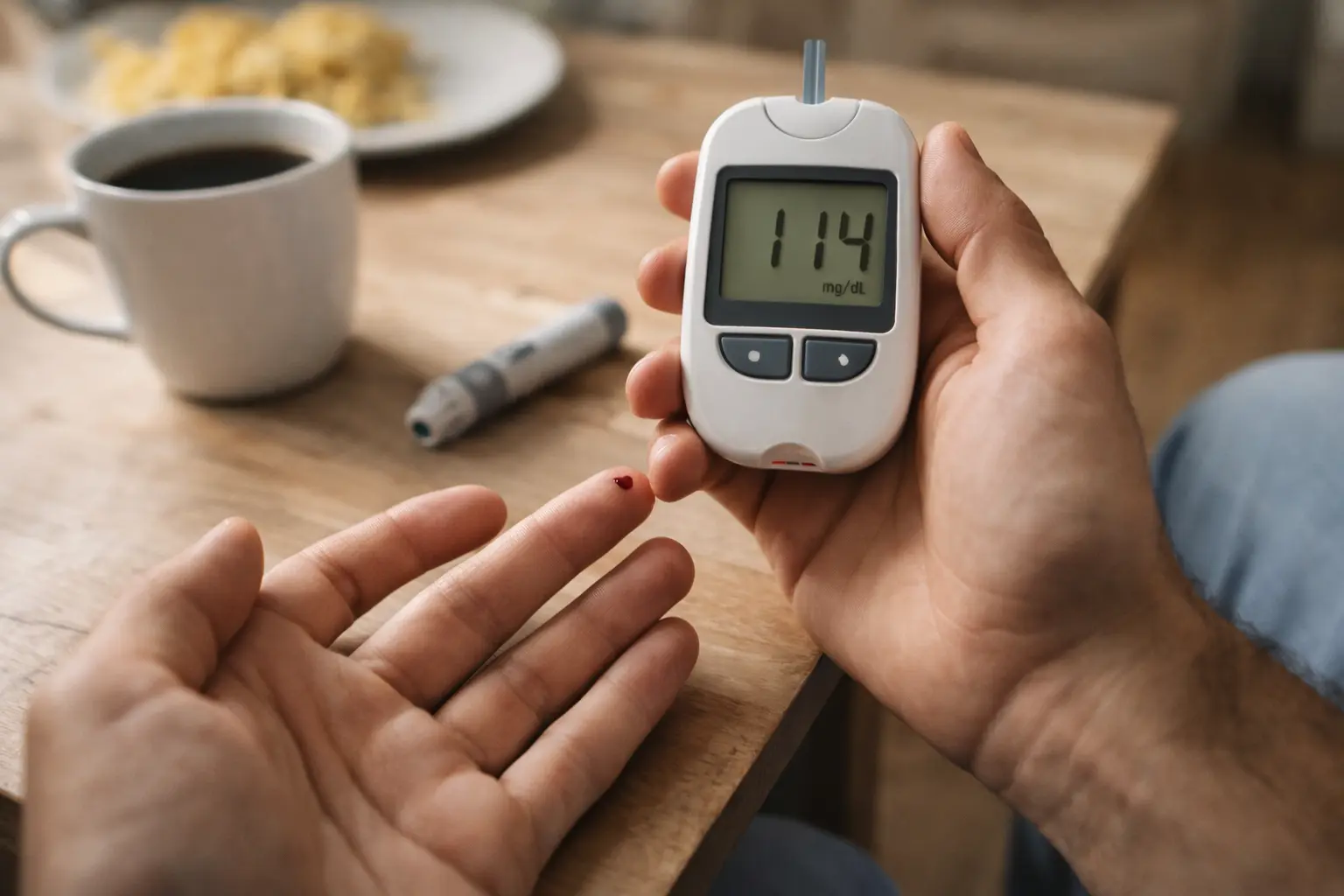
Fasting blood sugar levels measure the amount of glucose circulating in your bloodstream after you have not eaten for approximately 8 hours, typically measured first thing in the morning. Think of it as a snapshot of how efficiently your body manages glucose when it is in a rested state. Your liver and muscles store glucose as glycogen, and during fasting, your body taps into these reserves to maintain steady energy. This measurement helps healthcare providers understand how well your pancreas is functioning and whether your cells are responding properly to insulin, the hormone responsible for moving glucose from your blood into your cells for energy. For young adults, understanding this baseline is crucial because blood sugar patterns established now can influence your risk for metabolic disorders later. A simple finger-prick test at your doctor’s office takes seconds but reveals important information about your metabolic health. Many young adults are surprised to learn that their fasting levels might be creeping upward without any obvious symptoms, which is why regular monitoring becomes a preventive health tool rather than a reactive one.
- Normal fasting blood sugar levels typically range between 70-100 mg/dL for most adults
- Levels above 126 mg/dL on two separate tests may indicate diabetes, while pre-diabetes falls between 100-125 mg/dL
- Factors like genetics, diet, sleep quality, stress levels, and lifestyle can significantly impact your fasting blood sugar levels
Why monitoring fasting blood sugar is important
Monitoring your fasting blood sugar levels acts as an early warning system for metabolic dysfunction before symptoms appear. Many young adults develop insulin resistance silently, without feeling anything different, which means your body is working harder to process glucose but you would not know it without testing. This matters because insulin resistance is linked to weight gain, hormonal imbalances, increased inflammation, and a higher risk of type 2 diabetes later in life. By tracking your fasting levels annually or more frequently if you have risk factors, you gain actionable information that empowers you to make dietary and lifestyle changes before a diagnosis becomes necessary. Consider a 28-year-old who discovers a fasting level of 115 mg/dL during a routine physical; this person now has time to adjust their eating patterns and exercise habits to reverse the trend rather than waiting until they receive a diabetes diagnosis at 35. Regular monitoring also helps you understand how specific foods, stress, sleep deprivation, and exercise affect your personal glucose metabolism, turning abstract health advice into concrete, personalized data you can actually use.
📘 Fix your day in under 2 minuteschoose where to begin:
How to maintain healthy fasting blood sugar levels
Maintaining healthy fasting blood sugar levels requires a coordinated approach across multiple lifestyle domains, not just diet alone. Start with your eating patterns: prioritize whole foods like vegetables, legumes, nuts, and lean proteins while reducing refined carbohydrates and sugary drinks that cause rapid blood sugar spikes. Timing matters too; eating dinner at least 2-3 hours before bed gives your body time to process food before the overnight fasting period, which can improve your morning reading. Exercise is equally powerful, especially strength training and high-intensity interval training, which increase insulin sensitivity and help your muscles absorb glucose more efficiently. Sleep quality directly influences fasting blood sugar; poor sleep disrupts hormones that regulate glucose metabolism, so aim for 7-9 hours nightly. Stress management through meditation, yoga, or even a 15-minute daily walk reduces cortisol, a hormone that elevates blood sugar when chronically elevated. A practical starting point: choose one area to focus on first, such as swapping sugary breakfast cereals for oatmeal with berries and nuts, then add another change after two weeks once the first feels sustainable.
Understanding the impact of diet and exercise
Your diet and exercise habits are the two most powerful levers you control for managing fasting blood sugar levels. Dietary fiber, found in vegetables, whole grains, beans, and fruits, slows glucose absorption and prevents sharp blood sugar spikes that stress your pancreas over time. Complex carbohydrates like sweet potatoes and brown rice digest more slowly than white bread or pasta, providing steadier energy throughout the day and a lower morning fasting reading. Lean proteins such as chicken, fish, eggs, and tofu stabilize blood sugar by slowing digestion and increasing satiety, which naturally reduces overeating and snacking on high-sugar foods. Healthy fats from avocados, olive oil, and fatty fish also slow glucose absorption and support overall metabolic health. On the exercise side, even moderate activity like a 30-minute walk after meals significantly reduces blood sugar spikes by directing glucose into muscles instead of allowing it to accumulate in your bloodstream. Resistance training builds muscle mass, which acts as a glucose sink, pulling more sugar from your blood during and after workouts. A practical example: a young adult who adds a 20-minute strength session twice weekly while swapping afternoon snacks from chips to almonds and apple slices often sees their fasting level drop by 10-15 mg/dL within 8-12 weeks.
Seeking professional guidance
While lifestyle changes form the foundation of blood sugar management, professional guidance from a registered dietitian, endocrinologist, or your primary care doctor provides personalized strategies tailored to your unique metabolism, health history, and goals. A dietitian can analyze your current eating patterns and identify specific foods or meal timing that affect your fasting levels, then help you build a sustainable eating plan that fits your lifestyle and preferences rather than forcing you into a generic diet. An endocrinologist specializes in hormonal and metabolic disorders and can determine whether your elevated fasting levels stem from insulin resistance, pancreatic dysfunction, or other underlying conditions requiring specific treatment. Your primary care doctor can order additional tests like hemoglobin A1C, which shows your average blood sugar over three months, or insulin levels, which reveal whether your pancreas is overworking to manage glucose. Many insurance plans cover dietitian visits when referred by a doctor, making professional support more accessible than you might think. Starting with your annual physical and asking your doctor specifically about your fasting blood sugar results opens the door to these conversations and ensures you are not navigating this alone.
Maintaining healthy fasting blood sugar levels is a cornerstone of long-term health and energy for young adults. By understanding what these numbers mean, monitoring them regularly, and making intentional changes to your diet, exercise, sleep, and stress management, you take control of your metabolic future. Professional guidance from healthcare providers amplifies these efforts, turning general advice into a personalized roadmap. Start small, track your progress, and remember that even modest improvements in your fasting levels now prevent serious health complications later.
How often should I check my fasting blood sugar levels?
It is recommended to check your fasting blood sugar levels at least annually during routine health check-ups, especially as part of preventive screening. However, if you have risk factors such as a family history of diabetes, obesity, sedentary lifestyle, or you are over age 45, more frequent monitoring every 6 months or even quarterly may be beneficial. If you already have pre-diabetes or are actively working to lower elevated levels, checking every 3 months allows you to track whether your lifestyle changes are working and adjust your approach if needed.
Can fasting blood sugar levels fluctuate during the day?
Yes, fasting blood sugar levels can fluctuate significantly throughout the day due to factors like meal composition and timing, physical activity, stress levels, sleep quality, illness, and hormonal changes. This is why fasting blood sugar is specifically measured after 8 hours without food, as it provides a standardized baseline. However, your post-meal blood sugar and overall daily glucose patterns vary considerably, which is why tracking patterns over time and consulting a healthcare provider if levels consistently fall outside the normal range helps identify whether you have a genuine metabolic issue or temporary fluctuations.
Disclaimer: This article is for informational purposes only and is not a substitute for professional medical advice. Always consult a healthcare professional for personal guidance.
This guide has been prepared and reviewed by the GlobalHealthBeacon editorial team and reflects current medical research as of 2026. It provides structured, evidence-based information to support informed health decisions.
