Part of: Metabolic & Hormonal Health
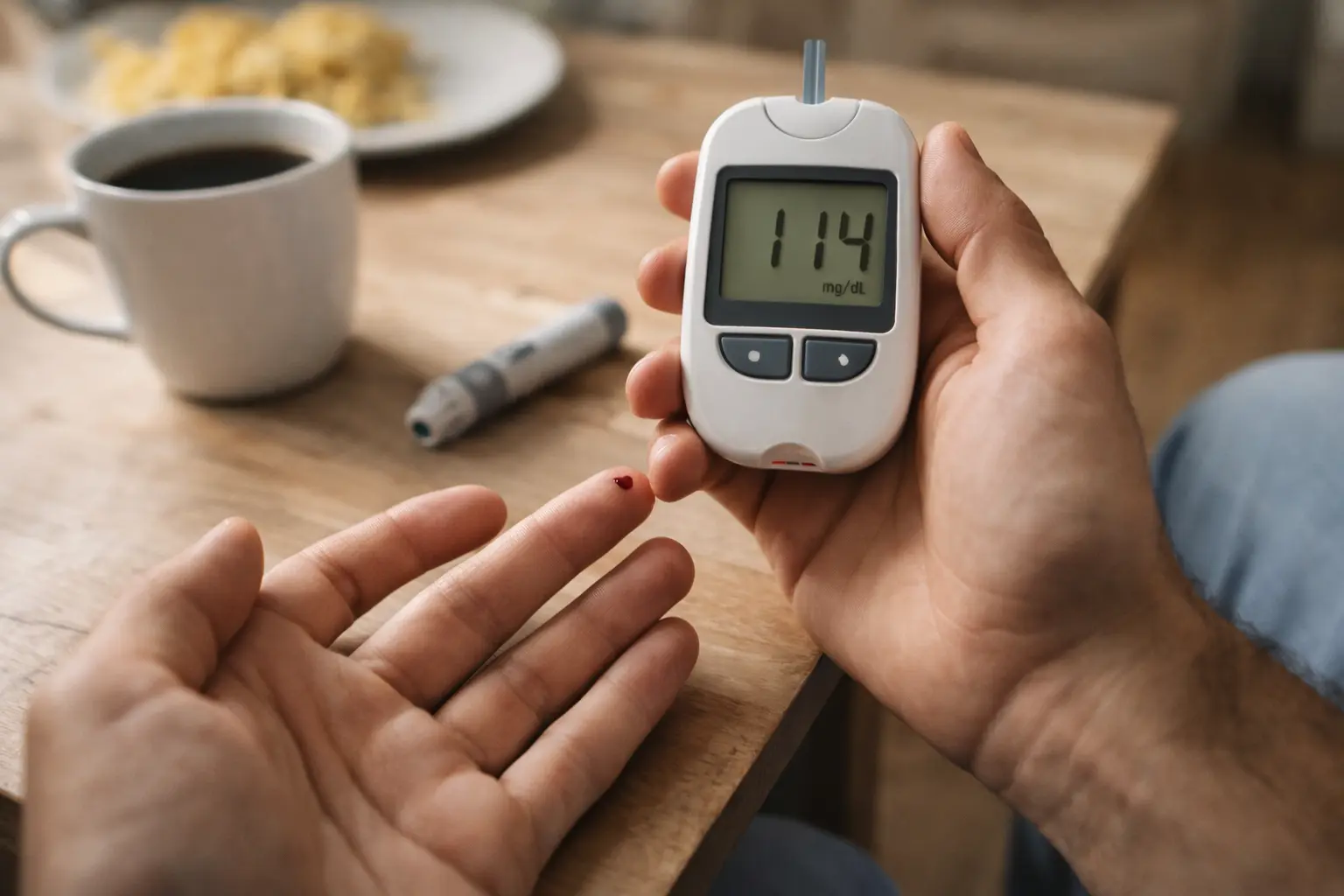
Fasting blood sugar levels represent the concentration of glucose in the bloodstream after a period of fasting, typically eight hours or more without food intake. This measurement serves as a critical diagnostic indicator for assessing metabolic health and identifying the presence of normal glucose regulation, prediabetes, or diabetes. Understanding fasting glucose values is essential for individuals seeking to interpret their test results and comprehend what their numbers mean in relation to established medical thresholds.
The interpretation of fasting blood sugar readings follows standardized ranges established by medical organizations. A level below 100 mg/dL is generally considered normal, readings between 100 and 125 mg/dL suggest prediabetes and increased risk for type 2 diabetes, while repeated measurements of 126 mg/dL or higher indicate diabetes. These diagnostic boundaries help healthcare providers and individuals alike assess metabolic function and determine the appropriate course of action for prevention or management.
Fasting glucose levels vary across different demographic groups and life stages. Young adults, women, and seniors may experience different baseline readings and respond distinctly to lifestyle interventions and dietary changes. Age, gender, genetics, physical activity levels, and dietary patterns all influence fasting blood sugar readings, making personalized understanding of one’s results particularly valuable. Research into the science of fasting glucose continues to clarify the mechanisms behind elevated levels and the evidence-based strategies that effectively lower glucose and improve metabolic control.
This comprehensive resource brings together detailed explanations of fasting blood sugar science, interpretations of actual test results, and practical approaches to managing and optimizing glucose levels. Whether seeking to understand normal ranges, learning what elevated readings signify, or exploring proven methods to improve fasting glucose control, the following collection of articles provides authoritative information grounded in scientific research and practical experience across diverse populations and age groups.
This Mayo Clinic page explains how fasting blood sugar tests are used to diagnose diabetes. It describes the medical thresholds: below 100 mg/dL is considered normal, 100–125 mg/dL indicates prediabetes, and 126 mg/dL or higher on repeated tests suggests diabetes. → Click here