You wake up tired, your energy crashes by mid-morning, and you can feel your body struggling to keep up – that’s what uncontrolled fasting blood sugar levels do to women, and it’s time to take back control.
Healthy eating habits
Nutrition is the foundation of blood sugar stability, and for women especially, what you eat in the evening directly impacts your morning fasting glucose readings. Start by building meals around whole foods rather than processed alternatives. A practical approach: imagine your plate divided into three sections. Fill one third with lean protein like grilled chicken breast, baked salmon, or lentils. These slow digestion and prevent blood sugar spikes. Fill another third with non-starchy vegetables like broccoli, spinach, or bell peppers. The final third should be complex carbohydrates such as sweet potatoes, quinoa, or brown rice. A woman following this pattern might eat a breakfast of scrambled eggs with whole grain toast and avocado, which keeps her full until lunch without triggering glucose fluctuations. Common mistake: many women skip breakfast thinking it helps, but this actually causes the body to release stored glucose irregularly. Instead, eat a balanced breakfast within an hour of waking. Another mistake is choosing low-fat options, which often contain added sugars to improve taste. Read labels carefully and avoid anything with more than 5 grams of added sugar per serving.
- Choose complex carbohydrates over simple sugars.
- Incorporate plenty of fruits and vegetables into your meals.
- Opt for lean proteins such as chicken, fish, and tofu.
Regular exercise routine
Physical activity works like a glucose regulator for your body. When you exercise, your muscles use glucose for energy without needing insulin, which directly lowers fasting blood sugar levels. For women, the type and timing of exercise matters. Aim for at least 150 minutes of moderate-intensity activity weekly, but break it into manageable chunks. A 30-minute brisk walk five days a week is more sustainable than one intense session. Resistance training is equally important. Muscle tissue is metabolically active and burns glucose even at rest. Try two sessions weekly of strength training, whether that’s weights, resistance bands, or bodyweight exercises like squats and push-ups. A real example: Sarah, a 45-year-old woman, started with 20-minute evening walks after dinner and added light weight training twice weekly. Within six weeks, her fasting glucose dropped from 112 to 98 mg/dL. The timing matters too. Exercising after meals helps prevent blood sugar spikes, while morning workouts can improve your fasting baseline. Avoid the mistake of exercising intensely without eating enough carbohydrates beforehand, as this can cause dizziness and actually stress your body, raising cortisol and worsening glucose control.
📘 Fix your day in under 2 minuteschoose where to begin:
Stress management techniques
Stress hormones like cortisol directly raise blood sugar levels, and women often carry stress differently than men due to hormonal fluctuations throughout the month. When you’re stressed, your body releases glucose into the bloodstream to prepare for fight or flight, even if you’re just sitting at your desk. This is why your fasting glucose might be higher on stressful mornings. Implement a daily stress practice before breakfast. Spend 10 minutes on deep breathing: inhale for four counts, hold for four, exhale for six. This activates your parasympathetic nervous system, which lowers cortisol. Meditation apps like Insight Timer offer guided sessions specifically for blood sugar and metabolic health. Another practical tool is journaling. Write down three things you’re grateful for each morning, which shifts your nervous system toward calm. Sleep is non-negotiable. Aim for seven to nine hours nightly, as poor sleep disrupts hormones that regulate glucose. A woman sleeping only five hours has significantly higher morning fasting glucose than when she sleeps eight hours. Create a bedtime routine: dim lights by 9 PM, avoid screens 30 minutes before bed, and keep your bedroom cool. Track your stress and sleep patterns alongside glucose readings to see the direct connection.
Monitoring and tracking
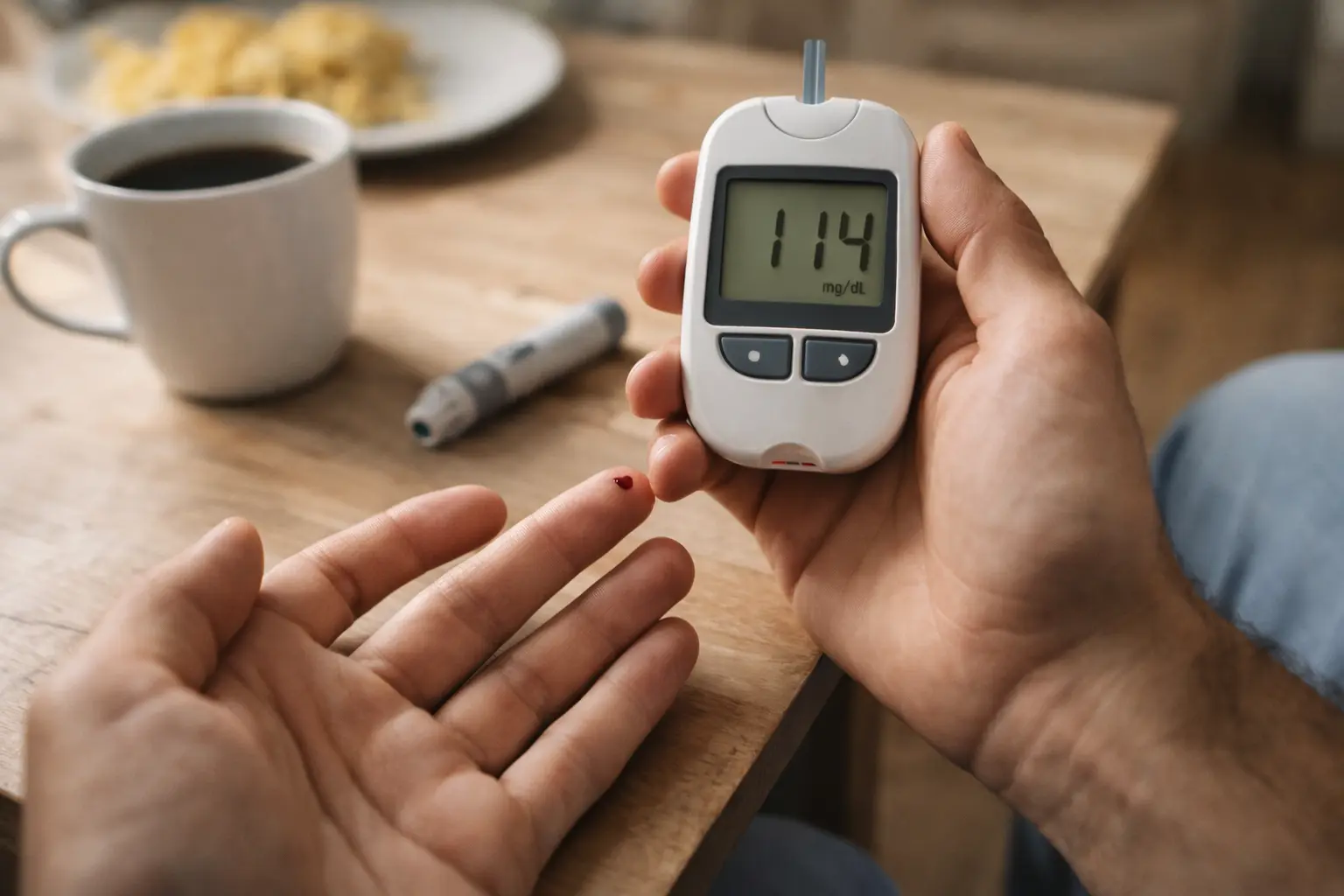
You cannot manage what you don’t measure. Regular monitoring reveals patterns that guide your next steps. Purchase a glucometer and test strips from any pharmacy. Check your fasting glucose first thing in the morning, before eating or drinking anything except water. Aim for readings between 70 and 100 mg/dL. Keep a simple log using a notebook or phone app, recording the date, time, glucose reading, what you ate the previous day, your sleep hours, and stress level. After two to three weeks, patterns emerge. You might notice that late-night snacking raises your morning glucose, or that skipping exercise increases readings. A woman tracking for a month discovered that her glucose spiked on days she slept poorly and ate processed foods, but stayed stable when she walked after dinner and slept eight hours. Share this log with your healthcare provider during check-ups. They can interpret trends and adjust recommendations. Common mistake: testing only occasionally and expecting to see improvement. Consistency matters. Test at least two to three times weekly, and more frequently if you’re making dietary or exercise changes. Another mistake is becoming obsessed with single readings. One high reading doesn’t mean failure; focus on the overall trend over weeks.
Seeking professional advice
Managing fasting blood sugar levels alone is possible, but professional guidance accelerates results and prevents missteps. Schedule an appointment with your primary care doctor or an endocrinologist who specializes in metabolic health. They can order additional tests like HbA1c, which shows your average glucose over three months, and fasting insulin levels, which reveal how hard your pancreas is working. A registered dietitian takes your food preferences, cultural background, and lifestyle into account to create a realistic eating plan. Unlike generic advice, they might recommend specific meal timing for your schedule or suggest alternatives to foods you love. For example, if you crave pasta, a dietitian might suggest chickpea pasta or portion control strategies rather than elimination. Some women benefit from working with a therapist or health coach who addresses emotional eating or stress-related glucose spikes. Your healthcare team becomes your accountability partners. Many women find that having professional support increases adherence to lifestyle changes by 60 percent. Ask your doctor about continuous glucose monitors (CGMs), small devices that track glucose throughout the day and alert you to patterns you’d miss with manual testing. Insurance often covers these for people with prediabetes or diabetes. Regular follow-ups every three to six months keep you on track and allow adjustments as your body responds to changes.
Maintaining optimal fasting blood sugar levels requires a combination of healthy eating, regular exercise, stress management, monitoring, and professional guidance.
How often should I check my fasting blood sugar levels?
It’s recommended to check your fasting blood sugar levels in the morning, before eating or drinking anything, at least 2-3 times per week to track changes over time.
Can certain medications affect fasting blood sugar levels?
Yes, certain medications like corticosteroids, diuretics, and beta-blockers can impact blood sugar levels. It’s important to discuss any concerns with your healthcare provider.
Others also read:
Disclaimer: This article is for informational purposes only and is not a substitute for professional medical advice. Always consult a healthcare professional for personal guidance.
This guide has been prepared and reviewed by the GlobalHealthBeacon editorial team and reflects current medical research as of 2026. It provides structured, evidence-based information to support informed health decisions.
