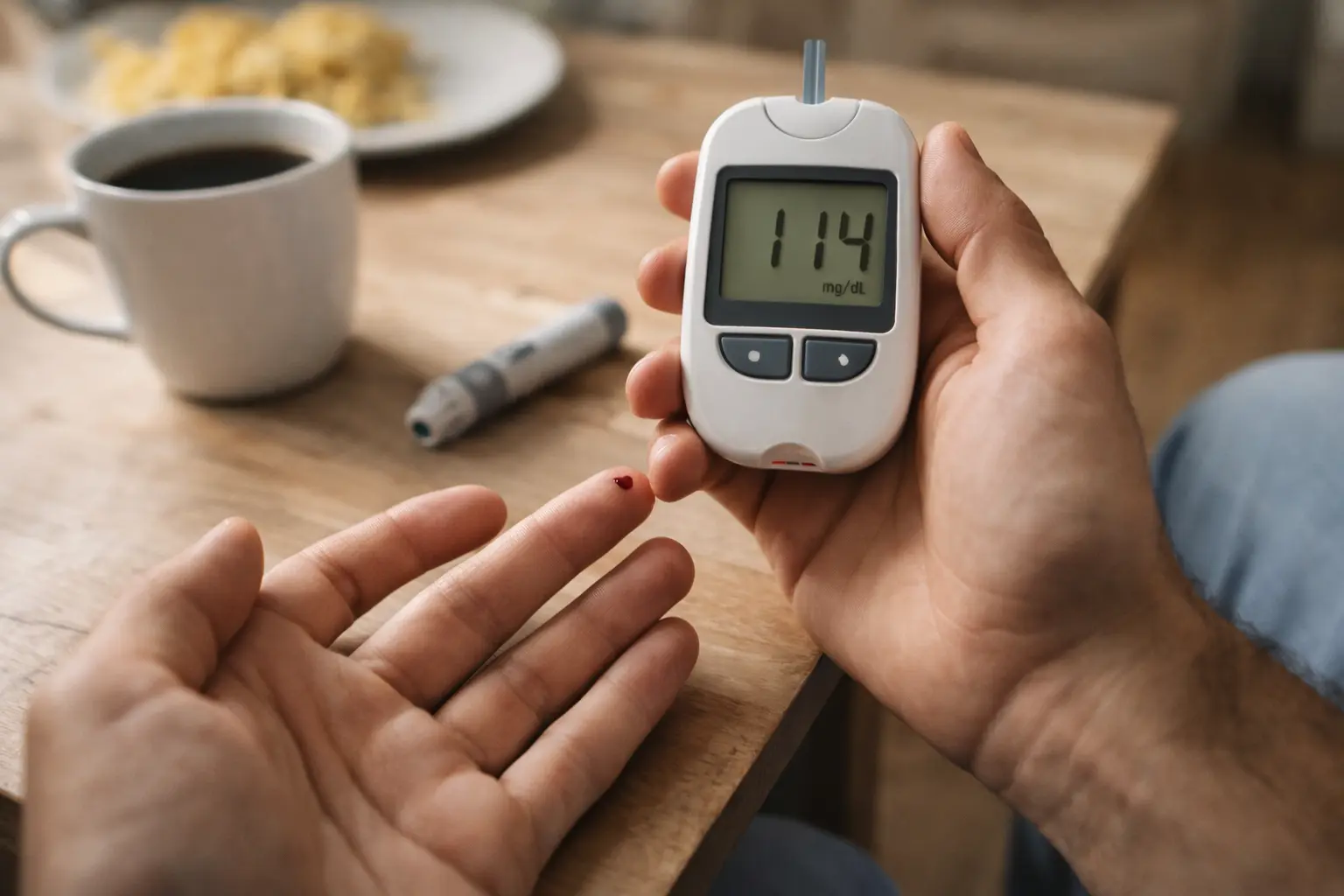
You wake up, skip breakfast, head to your doctor’s appointment, and suddenly you’re staring at a number on a lab report that makes your stomach drop, wondering if your fasting blood sugar levels are trying to tell you something’s wrong.
Understanding fasting blood sugar levels
Fasting blood sugar represents the concentration of glucose circulating in your bloodstream after an overnight fast of approximately 8 hours or longer. Think of it as a snapshot of your body’s baseline glucose state, captured when your digestive system has finished processing food and your body is relying on stored energy reserves. For women, this measurement becomes particularly relevant because hormonal fluctuations throughout the menstrual cycle can subtly influence glucose metabolism. When you fast, your liver releases stored glucose to maintain stable blood sugar, and this process reveals how efficiently your body manages glucose without the immediate influence of food. Medical professionals use this metric as a screening tool to assess your risk for prediabetes, type 2 diabetes, and metabolic syndrome. A fasting blood sugar reading typically falls between 70 and 100 milligrams per deciliter in people without diabetes, though individual variation exists based on age, genetics, and metabolic health. Understanding this baseline helps you and your healthcare provider establish whether your body’s glucose regulation is functioning optimally or whether intervention might be beneficial.
Factors affecting fasting blood sugar
Your fasting blood sugar doesn’t exist in isolation; it’s influenced by a complex web of interconnected factors that shift daily. Diet composition plays a foundational role, particularly the types of carbohydrates you consume regularly. Refined carbohydrates and added sugars create rapid blood sugar spikes, which over time can reduce your body’s insulin sensitivity, meaning your cells become less responsive to insulin’s signal. Physical activity directly impacts how your muscles utilize glucose for energy and improves insulin sensitivity through cellular adaptations. Chronic stress elevates cortisol, a hormone that triggers your liver to release more glucose, potentially raising fasting levels. For women specifically, hormonal fluctuations during different phases of the menstrual cycle, perimenopause, and menopause can noticeably shift glucose metabolism. Sleep deprivation impairs glucose regulation and increases insulin resistance. Genetics establish your baseline metabolic tendency, though lifestyle factors can significantly modify how those genes are expressed. Even seemingly minor factors like caffeine consumption, timing of meals, and medication side effects can influence your fasting reading. Recognizing these interconnected influences helps you identify which factors might be most relevant to your individual situation.
Healthy lifestyle habits for balanced fasting blood sugar
Building sustainable habits that support stable fasting blood sugar requires a thoughtful, personalized approach rather than rigid rules. Eating a balanced diet rich in whole foods means prioritizing fiber-rich vegetables, legumes, nuts, and whole grains that slow glucose absorption and provide sustained energy. Consider a real-life example: a woman who switches from white toast and jam for breakfast to steel-cut oats with berries and almonds might notice her mid-morning energy crashes disappear within weeks. Regular exercise doesn’t require intense gym sessions; even 30 minutes of brisk walking most days improves how your muscles absorb glucose and enhances insulin sensitivity. Stress management through meditation, yoga, or simply spending time in nature reduces cortisol levels that can elevate fasting glucose. A common mistake is assuming one perfect diet exists for everyone; instead, experimenting with different whole food combinations and tracking how you feel helps identify your personal glucose-friendly patterns. Consistency matters more than perfection, so building these habits gradually and celebrating small wins creates lasting change. Many women find that combining these approaches produces better results than focusing on any single factor alone.
- Eat whole foods
- Engage in regular exercise
- Practice stress management
🔬 Science-backed benefits in 2 minuteschoose where to begin:
Impact of hormones on fasting blood sugar
Hormones act as chemical messengers that orchestrate how your body handles glucose, and understanding this relationship is particularly important for women whose hormonal landscape shifts throughout life. Insulin, produced by your pancreas, signals your cells to absorb glucose from the bloodstream, effectively lowering blood sugar. Glucagon works in opposition, signaling your liver to release stored glucose when levels drop too low. For women, estrogen and progesterone influence insulin sensitivity; some research suggests that insulin sensitivity decreases during the luteal phase of the menstrual cycle when progesterone rises, potentially explaining why some women notice higher fasting readings at certain times of the month. During perimenopause and menopause, declining estrogen can reduce insulin sensitivity, which is why some women experience shifts in their glucose metabolism during these life stages. Cortisol, released during stress, increases glucose production and can elevate fasting readings. Thyroid hormones affect metabolic rate and glucose utilization. A hypothetical scenario illustrates this complexity: a woman might notice her fasting blood sugar reading is consistently higher in the week before her period, then normalizes afterward, reflecting the hormonal shifts of her cycle. Recognizing these hormonal influences helps you interpret your readings with more context and understand that variation doesn’t necessarily indicate a problem.
Testing and monitoring fasting blood sugar levels
Regular blood testing provides objective data that reveals patterns in your glucose metabolism over time, transforming abstract concerns into concrete information you can act upon. A standard fasting blood glucose test requires 8 to 10 hours without food or caloric beverages before the blood draw, typically performed in the morning. Your healthcare provider interprets results within the context of your age, family history, current health status, and other risk factors. Beyond single point-in-time tests, some women benefit from continuous glucose monitoring devices that track glucose trends throughout the day and night, revealing how specific foods, activities, and stress affect their individual glucose patterns. Hemoglobin A1C testing measures average blood sugar over approximately three months, providing a longer-term perspective than a single fasting test. Keeping a simple log of test dates and results helps you notice trends and discuss meaningful patterns with your healthcare provider. A common mistake is interpreting a single slightly elevated reading as definitive; glucose naturally fluctuates, and one test result requires context. Regular monitoring becomes especially valuable if you have risk factors like family history of diabetes, are overweight, or are experiencing hormonal transitions. Working collaboratively with your healthcare provider ensures testing frequency matches your individual risk profile and health goals.
Benefits of maintaining healthy fasting blood sugar
Stable fasting blood sugar levels support your body’s fundamental metabolic processes and reduce your risk for serious chronic conditions that disproportionately affect women. Maintaining healthy glucose metabolism decreases your risk of developing type 2 diabetes, a condition affecting millions of women and increasing the likelihood of heart disease, kidney damage, and vision problems. Consistent blood sugar regulation supports cardiovascular health by reducing inflammation and protecting blood vessel function, which is particularly important since heart disease remains the leading cause of death among women. Stable glucose levels improve energy consistency throughout your day, reducing the afternoon crashes that leave you reaching for sugary snacks. Healthy fasting blood sugar correlates with better weight management because stable glucose reduces cravings and supports more consistent appetite hormones. Cognitive function improves when your brain receives steady glucose supply, enhancing focus and mental clarity. Women who maintain healthy glucose levels often report better mood stability and reduced anxiety, partly because blood sugar fluctuations influence neurotransmitter production. Long-term, the cumulative benefit of maintaining healthy fasting blood sugar is a reduced disease burden, greater vitality, and improved quality of life as you age. Making lifestyle adjustments now creates a foundation for healthier decades ahead.
Understanding your fasting blood sugar levels empowers you to recognize how diet, exercise, stress, and hormonal changes influence your metabolic health. Women experience unique hormonal influences on glucose metabolism throughout their menstrual cycle and life stages, making personalized monitoring valuable. Regular testing combined with sustainable lifestyle habits like balanced nutrition, consistent physical activity, and stress management creates a comprehensive approach to maintaining healthy fasting blood sugar. Rather than seeking perfection, focus on building gradual, sustainable changes that align with your individual circumstances and preferences. Working with your healthcare provider ensures your monitoring strategy matches your personal risk factors and health goals, transforming abstract health metrics into meaningful information that guides your wellness journey.
How often should I test my fasting blood sugar levels?
Testing frequency depends on your individual risk profile and healthcare provider’s recommendation. If you have no diabetes risk factors, annual screening during routine physical exams may suffice. If you have family history of diabetes, are overweight, or are experiencing hormonal transitions like perimenopause, more frequent testing such as every 6 months provides better insight into your glucose trends. Women with prediabetes typically benefit from testing every 3 to 6 months. Your healthcare provider can recommend the testing schedule that best matches your circumstances and helps you track meaningful changes over time.
Can fasting blood sugar levels be managed through diet alone?
Diet plays a powerful role in glucose management, but research consistently shows that combining dietary changes with regular physical activity, stress management, and adequate sleep produces superior results compared to diet alone. Physical exercise directly improves how your muscles utilize glucose and enhances insulin sensitivity through cellular adaptations. Stress reduction lowers cortisol, which influences glucose production. Sleep quality affects hormones that regulate appetite and glucose metabolism. For some women, especially those with significant risk factors or established prediabetes, medical guidance and potentially medication may be necessary alongside lifestyle changes. A holistic approach addressing multiple factors typically yields the most sustainable improvements in fasting blood sugar levels.
Others also read:
Disclaimer: This article is for informational purposes only and is not a substitute for professional medical advice. Always consult a healthcare professional for personal guidance.
This article has been prepared and reviewed by the GlobalHealthBeacon editorial team and is based on current medical research and published scientific literature available in 2026. It provides structured, evidence-based information to support informed health decisions.
