You wake up groggy, stumble through breakfast feeling like you’re moving through fog, and by mid-morning you’re exhausted for no reason you can explain, and that’s when it hits you: your fasting blood sugar levels might be the culprit behind this daily struggle.
Understanding fasting blood sugar levels
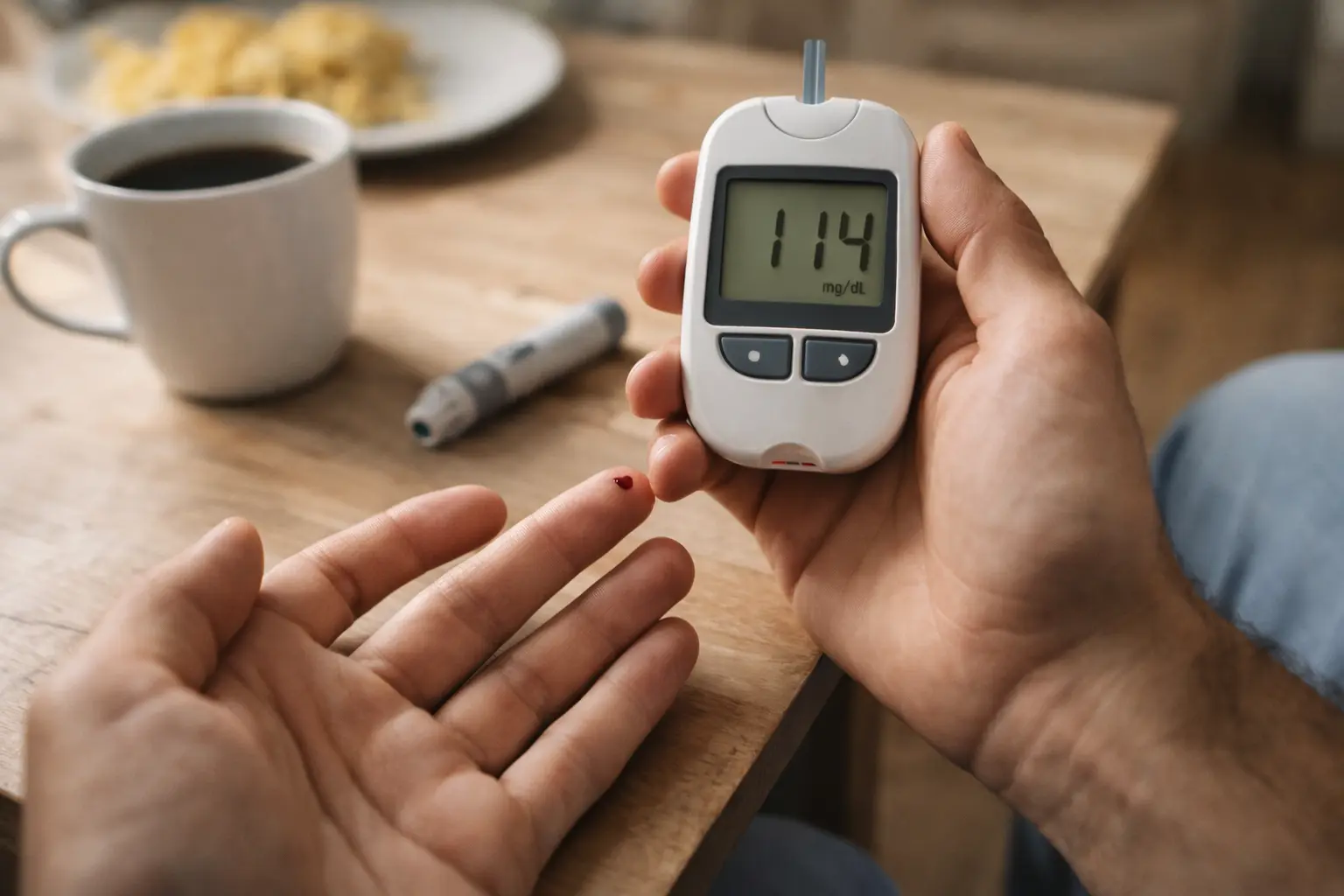
Fasting blood sugar levels are like a window into how your body is managing glucose when you haven’t eaten for hours. For seniors, this measurement becomes increasingly important because it reveals patterns that affect everything from morning energy to afternoon clarity. Think of it this way: when you wake up after eight or nine hours without food, your body has been working to maintain stable glucose through the night. If that system isn’t functioning smoothly, you feel it immediately. Some seniors describe it as waking up feeling foggy or weak, while others notice their hands shake slightly before breakfast. Getting your fasting blood sugar checked is straightforward, usually done with a simple finger prick or blood draw at your doctor’s office. The key insight many seniors discover is that these numbers tell a story about their overall metabolic health. Regular monitoring helps you spot trends over weeks and months, revealing whether lifestyle changes are actually working or if adjustments are needed.
- Regular monitoring is crucial to track changes over time.
- Consulting healthcare providers offers personalized guidance.
- Implementing dietary adjustments and exercise can help manage levels.
Impact of lifestyle choices
What you eat and how much you move directly influence your fasting blood sugar when you wake up the next morning. Many seniors find that switching from refined carbohydrates like white bread and sugary cereals to whole grains and protein-rich breakfasts creates noticeable differences within just two weeks. One common scenario: a retired teacher started replacing her morning toast with oatmeal and eggs, and within three weeks her morning energy improved dramatically. Evening walks became part of her routine too, just thirty minutes after dinner, which seemed to help her body process glucose more efficiently overnight. The connection is real and measurable. Physical activity doesn’t have to be intense either. Gentle yoga, gardening, or even consistent walking helps your muscles use glucose more effectively. Weight management also plays a role, as carrying extra weight can make it harder for your body to regulate blood sugar. Seniors who combine modest dietary tweaks with regular movement often report feeling more stable throughout their entire day, not just at breakfast.
💬 Ready to feel better in 2 minutes?choose where to begin:
Signs of unregulated blood sugar
Your body sends signals when fasting blood sugar levels are off balance, and learning to recognize them is essential. Fatigue that doesn’t improve with rest is one of the most common complaints seniors notice, where they feel drained even after a full night of sleep. Constant thirst, especially waking up parched in the middle of the night, often accompanies blood sugar imbalance. Some seniors mention blurred vision that comes and goes, or difficulty concentrating during morning tasks. A few describe tingling in their feet or hands, or noticing they need to urinate more frequently. These symptoms might seem minor individually, but when they cluster together, they’re your body’s way of saying something needs attention. The tricky part is that these signs can feel like normal aging, which is why many seniors dismiss them at first. But here’s what matters: these symptoms are often reversible. Catching them early and working with your healthcare provider to address underlying blood sugar issues can eliminate these frustrations and restore the vitality you remember having.
Maintaining emotional well-being
Dealing with changing fasting blood sugar levels carries an emotional weight that often gets overlooked. Seniors sometimes feel frustrated when they discover they need to monitor numbers, adjust eating habits, or commit to regular exercise. There’s a sense of loss when favorite foods need to be limited, or disappointment when progress feels slow. Some describe anxiety about what these changes mean for their independence or future health. This emotional journey is completely valid and more common than you might think. Talking openly with family members or friends who understand helps tremendously. Many seniors find that joining a support group, whether in-person or online, reduces the sense of isolation. Stress management becomes crucial too, since worry and tension can actually worsen blood sugar regulation. Simple practices like deep breathing, meditation, or spending time in nature help calm your nervous system. Working with a counselor or therapist who understands aging health challenges can provide valuable perspective. Remember, you’re not alone in this experience, and taking care of your emotional health is just as important as managing the numbers.
Understanding the nuances of fasting blood sugar levels and their impact on seniors’ daily life is crucial. Lifestyle modifications, attentive monitoring, and emotional support play pivotal roles in navigating these changes effectively.
How often should seniors check their fasting blood sugar levels?
Seniors are generally advised to check their fasting blood sugar levels at least once a day, preferably in the morning before consuming any food or drink.
Can fasting blood sugar levels be controlled through diet alone?
While dietary modifications play a significant role in managing fasting blood sugar levels, a holistic approach that includes physical activity, stress management, and regular medical check-ups is essential for optimal control.
Others also read:
Disclaimer: This article is for informational purposes only and is not a substitute for professional medical advice. Always consult a healthcare professional for personal guidance.
This article presents an experience-based perspective and has been reviewed by the GlobalHealthBeacon editorial team in 2026. It provides structured, evidence-based information to support informed health decisions.
