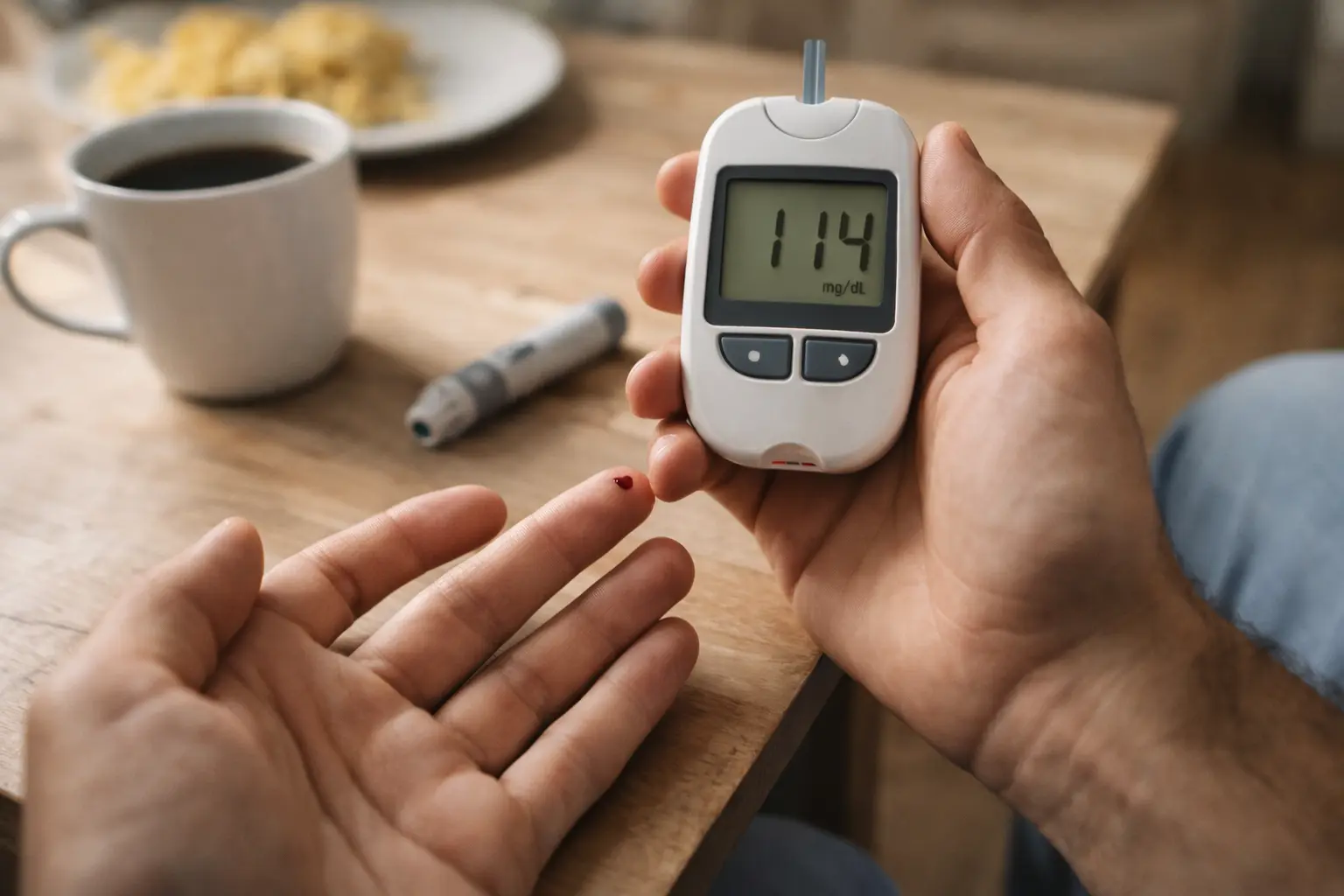
You wake up feeling tired, your energy crashes by mid-morning, and you wonder if something is quietly shifting in your body – that nagging feeling is often your fasting blood sugar levels trying to tell you something, and it’s time to listen.
Understanding fasting blood sugar levels
Fasting blood sugar levels are measurements taken after you have not eaten for at least eight hours, typically first thing in the morning. This number reveals how well your body manages glucose when it is at rest and not processing food. For seniors, understanding these readings becomes increasingly important because metabolism changes with age, and the body’s ability to regulate blood sugar can shift over time. Think of it like checking the baseline health of your engine before you start driving for the day. A normal fasting reading between 70-100 mg/dL suggests your pancreas is doing its job well, keeping glucose stable overnight. When readings climb above 100 mg/dL, it signals that your body may be struggling to manage blood sugar efficiently, which can indicate prediabetes or diabetes developing. Regular monitoring helps you catch these changes early, before they become serious health concerns that require medication or intensive management.
- The normal range for fasting blood sugar levels is typically between 70-100 mg/dL.
- Higher readings indicate potential risks such as prediabetes or diabetes.
- Regular monitoring and lifestyle changes can help manage and improve fasting blood sugar levels.
Tips for better control
Managing your fasting blood sugar levels does not require drastic changes overnight. Start with one or two adjustments and build from there. Morning walks of just 20-30 minutes, taken three to four times per week, can significantly improve how your body processes glucose. Pair this with dietary shifts like choosing whole grains instead of white bread, adding more vegetables to lunch and dinner, and reducing sugary snacks and drinks. Weight management matters too, especially around the midsection where excess fat can interfere with insulin sensitivity. A practical example: if you currently have toast and jam for breakfast, swap it for oatmeal with berries and a handful of nuts. If you skip breakfast thinking it helps, reconsider – a balanced breakfast actually stabilizes blood sugar throughout the day. Common mistakes seniors make include cutting calories too drastically, which can cause energy crashes and make blood sugar harder to control, or relying on diet alone without adding movement. The combination of modest exercise, better food choices, and consistent sleep patterns creates the foundation for sustainable improvement.
📘 Fix your day in under 2 minuteschoose where to begin:
Importance of regular testing
Testing your fasting blood sugar levels regularly gives you real data about what is working and what needs adjustment. Many seniors benefit from checking levels every three to six months, though your doctor may recommend more frequent testing depending on your situation. Picture this: you make dietary changes for two months, then get tested and discover your reading dropped from 115 to 102 mg/dL. That concrete feedback motivates you to keep going. Without testing, you are flying blind, guessing whether your efforts are actually making a difference. Home glucose monitors are affordable and easy to use, allowing you to track patterns on your own schedule. Keep a simple log noting your reading, what you ate the day before, how much you moved, and how you slept. Over time, patterns emerge. You might notice that nights after you skip exercise, morning readings are higher. Or that certain foods consistently spike your levels more than others. This personalized information is far more valuable than generic advice because it reflects your unique body and circumstances.
Recognizing warning signs
Your body sends signals when blood sugar is out of balance, and learning to recognize them helps you respond quickly. Increased thirst that feels unusual, even when you are drinking plenty of water, is a classic sign. Frequent urination, especially waking multiple times at night to use the bathroom, often accompanies high blood sugar. Fatigue that does not improve with rest, blurred vision, or tingling sensations in your feet or hands warrant attention. Headaches that come and go without obvious cause, difficulty concentrating, or mood changes can also point to blood sugar issues. A common scenario: a senior notices they are going to the bathroom more often but attributes it to aging or drinking too much water. Weeks pass before they connect the dots and get tested. Early recognition matters because these symptoms indicate your body is working harder than it should to manage glucose. Some seniors experience no obvious symptoms at all, which is why regular testing matters even when you feel fine. If you notice any combination of these signs, schedule an appointment with your doctor rather than waiting for your next routine checkup.
Seeking professional guidance
Your doctor and a registered dietitian form a powerful team for managing fasting blood sugar levels effectively. Your doctor can assess your complete health picture, order appropriate tests, and monitor whether your efforts are working or if medication becomes necessary. A registered dietitian goes deeper, helping you understand which foods affect your body specifically, teaching you how to read nutrition labels, and creating a realistic eating plan that fits your lifestyle and preferences. They can also identify hidden sources of sugar in foods you thought were healthy. For example, many seniors are surprised to learn that flavored yogurt, granola, and even some salad dressings contain as much sugar as dessert. Professional guidance is not about restriction or deprivation. It is about making informed choices that support your long-term health. Many insurance plans cover dietitian visits, especially if your doctor refers you for a specific condition like prediabetes. If cost is a concern, ask your doctor about community health centers or senior programs that offer free or low-cost nutrition counseling. Taking this step signals to yourself that you are serious about your health and deserve expert support.
Maintaining healthy fasting blood sugar levels is essential for overall well-being. Understanding the numbers, adopting healthy lifestyle habits, and seeking professional guidance are key steps towards managing your health effectively.
What is the optimal range for fasting blood sugar levels?
The normal range for fasting blood sugar levels is usually between 70-100 mg/dL. Values outside this range may indicate a potential health concern.
How can lifestyle changes impact fasting blood sugar levels?
Healthy lifestyle modifications such as regular exercise, balanced diet, and weight management can positively influence fasting blood sugar levels, promoting better health outcomes.
Others also read:
Disclaimer: This article is for informational purposes only and is not a substitute for professional medical advice. Always consult a healthcare professional for personal guidance.
This guide has been prepared and reviewed by the GlobalHealthBeacon editorial team and reflects current medical research as of 2026. It provides structured, evidence-based information to support informed health decisions.
