You wake up feeling foggy, grab your coffee, and wonder why your energy crashes by mid-morning, and nobody’s really explained what’s happening with your fasting blood sugar levels or why it matters as you get older.
The basics of fasting blood sugar levels
Fasting blood sugar levels represent the amount of glucose circulating in your bloodstream after you haven’t eaten for at least eight to ten hours, typically measured first thing in the morning before breakfast. Think of it as a snapshot of how your body manages glucose when it’s in a resting state, without the influence of recent meals. Your liver plays a starring role here, releasing stored glucose to keep your brain and muscles functioning while you sleep. When you measure fasting glucose, you’re essentially looking at your body’s baseline glucose production and how efficiently your pancreas is managing it. For seniors, this measurement becomes increasingly important because the body’s glucose regulation system changes with age. The test itself is straightforward: a simple blood draw that reveals whether your body is maintaining glucose within a healthy range. Understanding this number gives you insight into how well your metabolic system is working and whether your cells are responding properly to insulin’s signals.
Factors influencing fasting glucose
Your fasting glucose level isn’t determined by a single factor but rather by a complex interplay of lifestyle, health, and biological elements. Diet plays a foundational role, particularly what you eat in the evening before testing, though true fasting measurements exclude recent meals. Physical activity levels significantly impact glucose regulation because muscles consume glucose for energy and improve insulin sensitivity over time. Medications you take, whether for blood pressure, cholesterol, or other conditions, can influence glucose metabolism in ways you might not realize. Stress hormones like cortisol actually increase glucose production, which is why a stressful week might show up in your fasting numbers. Sleep quality matters tremendously, as poor sleep disrupts hormonal balance and glucose control. Underlying health conditions such as thyroid disorders, hormonal imbalances, or inflammation can all affect how your body manages glucose. Even seemingly minor factors like caffeine consumption before testing or how hydrated you are can create variations. For seniors, understanding these interconnected factors helps explain why your numbers might fluctuate and what you can realistically influence through daily choices.
Understanding the role of insulin
Insulin is a hormone produced by your pancreas that acts like a key, allowing glucose to enter your cells where it’s converted into energy. When you eat carbohydrates, your blood glucose rises, signaling your pancreas to release insulin. This hormone travels through your bloodstream and attaches to receptors on your cells, essentially unlocking the door so glucose can move inside. In younger years, this process happens smoothly and efficiently, but aging can reduce how well cells respond to insulin, a condition called insulin resistance. When insulin resistance develops, your pancreas has to work harder, producing more insulin to achieve the same effect. Over time, this extra demand can exhaust your pancreas, leading to elevated fasting glucose levels. Maintaining insulin sensitivity means your cells remain responsive to insulin’s signals, requiring less of the hormone to do the job. This is why fasting glucose levels often reflect your overall insulin health. A senior with good insulin sensitivity typically has lower fasting glucose because their cells efficiently take up glucose, leaving less in the bloodstream. Conversely, someone with insulin resistance will have higher fasting glucose because glucose lingers in the blood, unable to enter cells effectively.
- Consume a balanced diet rich in fiber, lean proteins, and healthy fats to slow glucose absorption and support stable blood sugar.
- Engage in regular physical activity, including both aerobic exercise and resistance training, to improve how your cells respond to insulin.
- Monitor carbohydrate intake and choose complex carbohydrates over refined ones to prevent rapid spikes in blood sugar levels.
🔬 Science-backed benefits in 2 minuteschoose where to begin:
The impact of aging on fasting glucose
As you move through your sixties, seventies, and beyond, your body undergoes metabolic changes that directly affect glucose regulation. Muscle mass naturally declines with age, a process called sarcopenia, and since muscles are major consumers of glucose, less muscle means less glucose uptake. Your pancreas may become slightly less efficient at producing insulin, and your cells become more resistant to insulin’s effects, creating a double challenge. Physical activity often decreases with age due to joint concerns, fatigue, or simply changing priorities, which further reduces glucose consumption. Body composition shifts too, with more fat accumulation, especially around the abdomen, which is metabolically active tissue that can increase insulin resistance. Hormonal changes, particularly declining estrogen in women after menopause, also influence glucose metabolism. Your liver’s ability to regulate glucose production may change, potentially releasing more glucose during fasting periods. These aren’t inevitable declines but rather natural shifts that require awareness and proactive management. Many seniors find that what worked for glucose control at fifty no longer works at seventy, requiring adjustments to diet, exercise, and monitoring strategies. The good news is that understanding these age-related changes empowers you to address them directly.
Diagnosis and monitoring
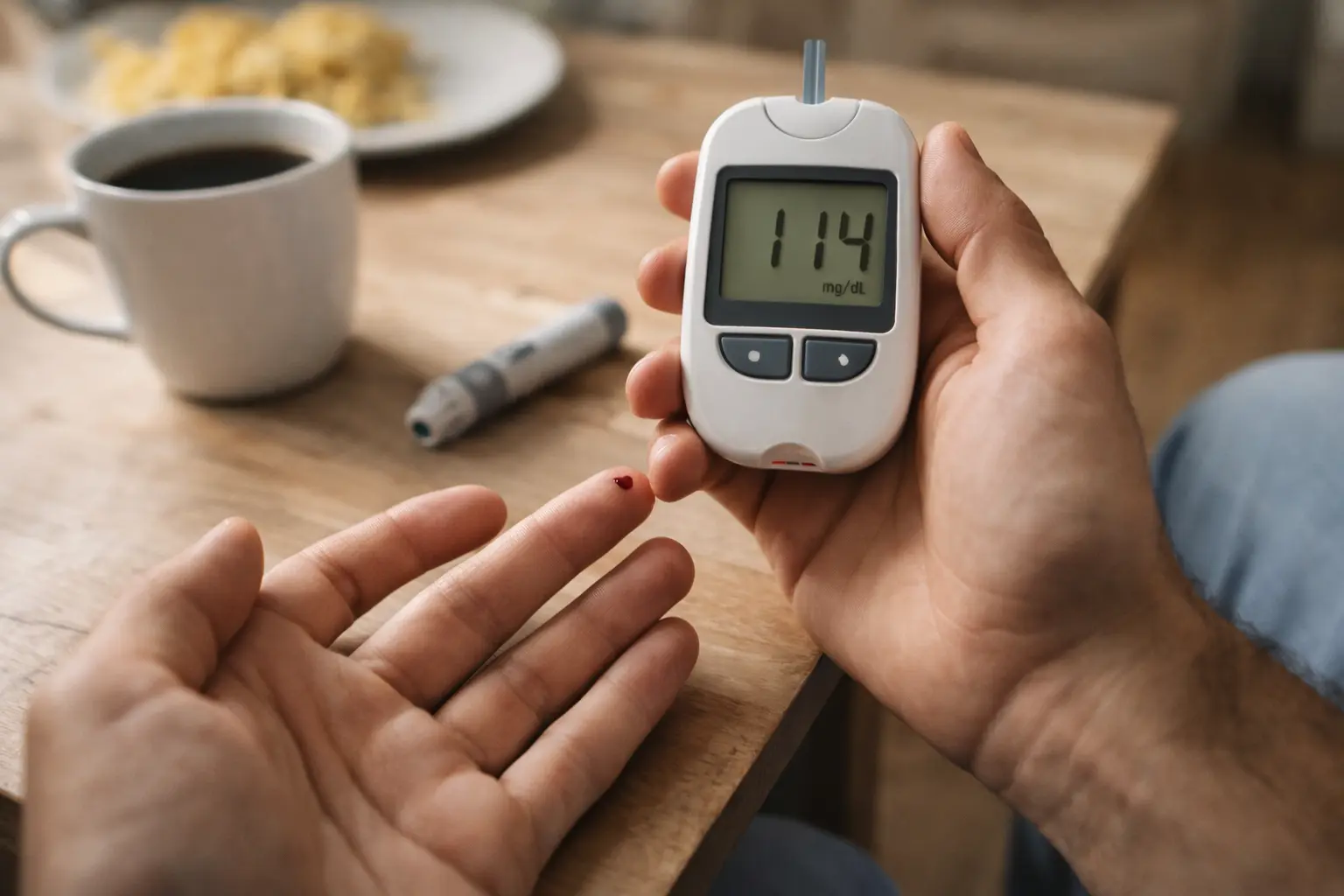
Monitoring fasting blood sugar involves a straightforward blood test performed after fasting for eight to ten hours, typically done in the morning before eating or drinking anything except water. Your healthcare provider will interpret your results using established ranges: generally below one hundred milligrams per deciliter is considered normal, one hundred to one hundred twenty-five is considered prediabetic range, and one hundred twenty-six or higher suggests diabetes. Beyond a single test, your provider might order an HbA1c test, which measures your average glucose over the previous two to three months, giving a more complete picture of your glucose control. Regular monitoring is essential because fasting glucose levels can change over time, and early detection of rising numbers allows for intervention before a condition develops. For seniors with existing conditions like prediabetes or diabetes, monitoring frequency increases, sometimes to every three to six months. Keeping a simple log of your fasting glucose readings alongside notes about diet, exercise, and stress helps identify patterns unique to your body. Some seniors benefit from home glucose monitors, which provide immediate feedback and encourage engagement with their health. Working closely with your healthcare provider ensures you understand what your numbers mean and what adjustments might help.
Lifestyle strategies for healthy fasting glucose
Creating sustainable lifestyle changes is far more effective than searching for quick fixes when it comes to fasting glucose management. Balanced nutrition means building meals around whole foods: vegetables, lean proteins, legumes, and whole grains rather than processed options that spike glucose rapidly. Regular exercise, even moderate activity like thirty-minute walks most days, improves how your muscles use glucose and enhances insulin sensitivity. Stress management through meditation, gentle yoga, or simply spending time in nature helps keep cortisol levels in check, which directly impacts glucose production. Quality sleep, aiming for seven to nine hours nightly, allows your body to regulate hormones that control glucose metabolism. Staying hydrated supports kidney function and helps your body process glucose efficiently. Limiting alcohol consumption is important because alcohol affects how your liver manages glucose. Maintaining a healthy weight reduces insulin resistance, though even modest weight loss of five to ten percent can improve glucose control significantly. Building these strategies into your daily routine gradually, rather than attempting dramatic overhauls, creates lasting change. Many seniors find that small, consistent adjustments compound over months, leading to noticeably improved fasting glucose readings and overall energy levels.
Fasting blood sugar levels serve as a valuable window into your metabolic health, influenced by diet, physical activity, insulin sensitivity, stress, sleep, and the natural aging process. For seniors, understanding these factors and monitoring glucose levels regularly through healthcare partnerships enables early detection and management of glucose-related conditions. Lifestyle adjustments including balanced nutrition, consistent exercise, stress management, and quality sleep can meaningfully impact fasting glucose levels. While some individuals may require medication alongside lifestyle changes, the foundation of healthy glucose management rests on informed choices and sustained commitment to well-being.
How often should seniors monitor their fasting blood sugar levels?
The frequency of monitoring depends on your individual health status and should be determined in consultation with your healthcare provider. If you have normal glucose levels, annual or biennial testing may be sufficient. If you have prediabetes, testing every three to six months helps track progression. Those with diabetes typically monitor more frequently, sometimes monthly or as recommended by their provider. Home glucose monitoring may be suggested for some individuals to track patterns between office visits.
Can fasting glucose levels be managed through lifestyle changes alone?
Lifestyle modifications including diet changes, regular physical activity, stress management, and improved sleep can significantly impact fasting glucose levels for many people, particularly in early stages of glucose dysregulation. However, some individuals, especially those with established diabetes or certain genetic factors, may require medication in addition to lifestyle changes. Your healthcare provider can assess your specific situation and determine whether lifestyle adjustments alone are sufficient or whether medication would benefit your glucose management strategy.
Others also read:
Disclaimer: This article is for informational purposes only and is not a substitute for professional medical advice. Always consult a healthcare professional for personal guidance.
This article has been prepared and reviewed by the GlobalHealthBeacon editorial team and is based on current medical research and published scientific literature available in 2026. It provides structured, evidence-based information to support informed health decisions.
