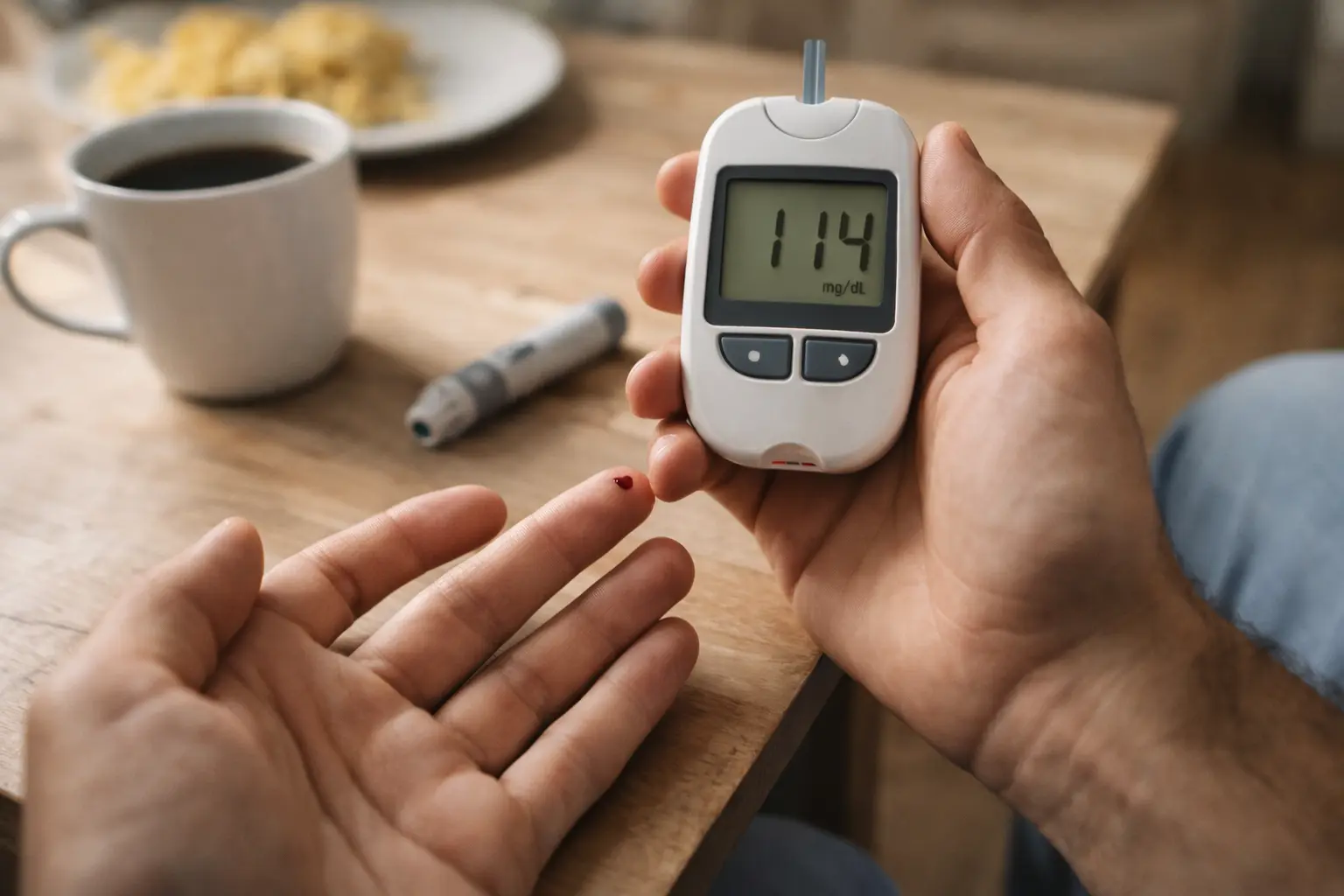
You wake up groggy, shake for no reason, and by mid-morning you’re exhausted even though you just had breakfast, and nobody tells you it might be your fasting blood sugar levels silently wreaking havoc on your day.
Understanding fasting blood sugar levels
Fasting blood sugar levels are like a health report card your body hands you first thing in the morning. After eight or more hours without food, your glucose reading reveals how well your body manages insulin and energy production when its not processing a meal. For seniors, this snapshot matters more than many realize. Think of it this way: your fasting level is what happens when your body is at rest, no food coming in, just your natural metabolism doing its job. A reading taken before breakfast shows whether your liver and pancreas are working in harmony or sending out distress signals. Many seniors discover their levels shift unexpectedly as they age, influenced by decades of eating patterns, activity levels, and metabolic changes. Understanding this baseline helps you recognize patterns and spot when something feels off.
- Increased thirst and hunger can be signs of high fasting blood sugar levels.
- Persistent fatigue or frequent urination may indicate low levels.
- Regularly monitoring these levels is crucial for maintaining balance.
Impacts on daily living
Imagine starting your day feeling foggy, irritable, or struggling to focus on your morning coffee ritual. Fluctuating fasting blood sugar levels do exactly that. Seniors often describe a frustrating cycle: waking up tired despite a full night of sleep, struggling through morning tasks, and wondering why simple activities feel exhausting. Your mood takes a hit too. High fasting levels can leave you feeling anxious or irritable, while low levels might make you feel shaky and confused. Cognitive function suffers as well, making it harder to remember names, follow conversations, or tackle crossword puzzles you once enjoyed. Physical well-being gets disrupted in subtle ways: your joints ache more, your energy crashes mid-afternoon, and you lose interest in activities you love. The uncertainty compounds the frustration. You don’t know if you’re tired because of age, sleep quality, or blood sugar instability, so you second-guess yourself constantly.
💬 Ready to feel better in 2 minutes?choose where to begin:
Strategies for managing blood sugar
Managing fasting blood sugar levels doesn’t require drastic life overhauls. Many seniors find success through thoughtful adjustments that fit naturally into their routines. Start with dietary modifications: eating a balanced dinner with lean protein, healthy fats, and complex carbohydrates helps stabilize overnight levels. Some seniors swap their evening snack for a small handful of almonds or a piece of cheese instead of crackers. Regular exercise, even a 20-minute walk after meals, makes a measurable difference in how your body processes glucose. Stress reduction matters more than you might think, too. Chronic stress keeps cortisol elevated, which interferes with blood sugar regulation. Try gentle practices like deep breathing, meditation, or gardening. Sleep quality also plays a role. Aim for consistent bedtimes and wake times, which help regulate your body’s natural glucose rhythm. Most importantly, work with your healthcare provider to create a personalized plan based on your specific situation and health history.
Embracing balance and awareness
The path forward isn’t about perfection, it’s about becoming attuned to your body’s signals and responding with intention. Start noticing patterns: which meals leave you feeling energized versus drained? When do you feel most alert or most sluggish? Keep a simple log for two weeks, jotting down what you eat, how you feel, and any symptoms you notice. Small lifestyle adjustments compound over time. Swapping afternoon coffee for herbal tea, adding a short walk to your routine, or choosing whole grain toast instead of white bread are tiny shifts that yield real results. A proactive approach means checking in with yourself regularly, not just waiting for problems to emerge. Share observations with your doctor at appointments. Celebrate small wins, like having more energy for your grandchildren or enjoying an afternoon without the afternoon slump. Resilience comes from understanding that managing fasting blood sugar levels is an ongoing conversation with your body, not a battle you have to win overnight.
Exploring the nuances of fasting blood sugar levels reveals a dynamic interplay between health and daily experiences for seniors. Understanding the impacts, strategies for management, and the importance of balance can empower individuals to navigate this aspect of health effectively.
What factors can influence fasting blood sugar levels?
Various factors such as diet, physical activity, stress levels, and underlying health conditions can influence fasting blood sugar levels. Monitoring these factors closely can help individuals manage their levels effectively.
How often should seniors monitor their fasting blood sugar levels?
Seniors should consult with their healthcare provider to determine an appropriate monitoring schedule based on individual health needs. Regular monitoring is essential for understanding trends and making informed decisions about managing blood sugar levels.
Others also read:
Disclaimer: This article is for informational purposes only and is not a substitute for professional medical advice. Always consult a healthcare professional for personal guidance.
This article presents an experience-based perspective and has been reviewed by the GlobalHealthBeacon editorial team in 2026. It provides structured, evidence-based information to support informed health decisions.
