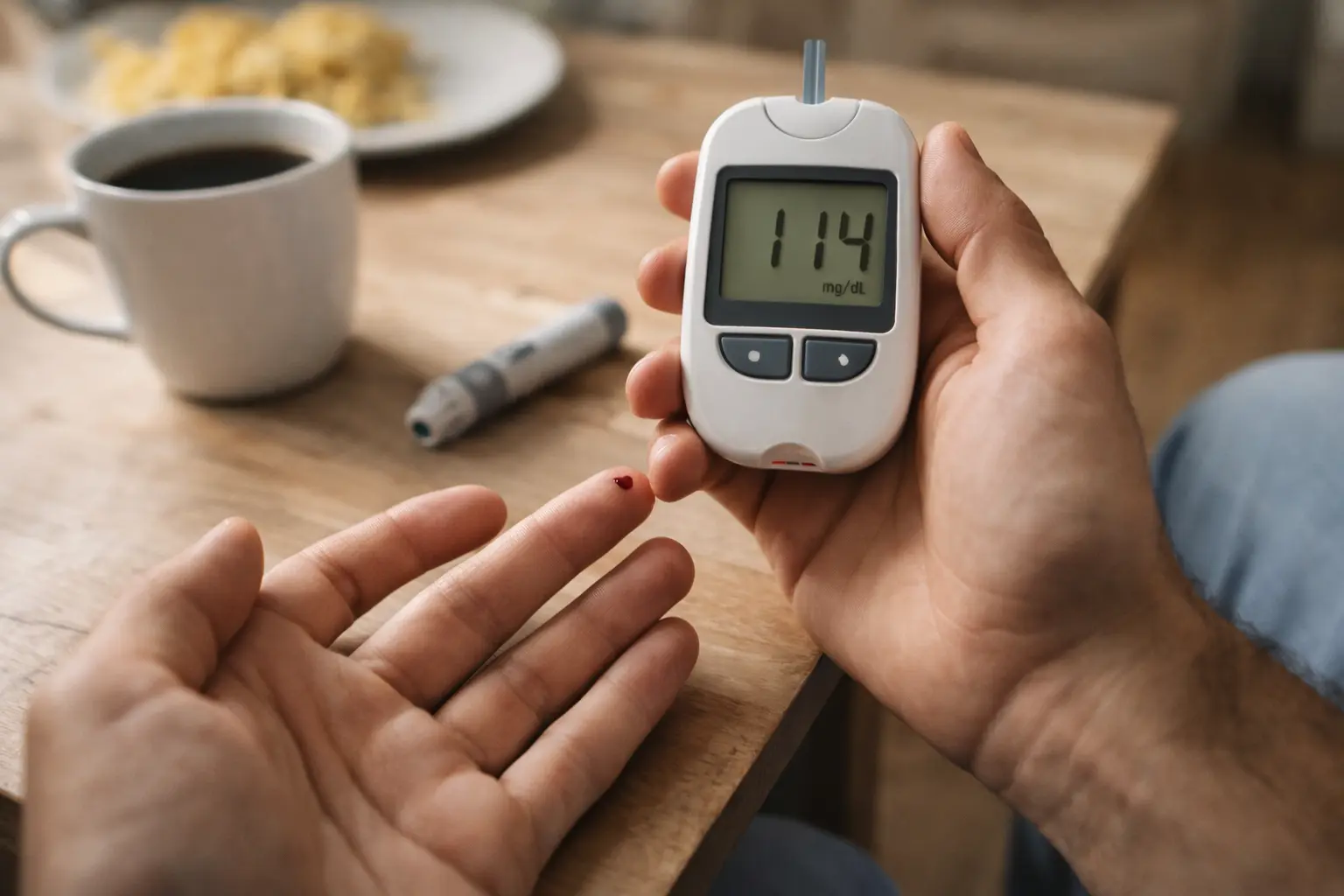
You wake up feeling completely drained, skip breakfast like you always do, and that number on your fasting blood sugar levels meter makes your stomach drop because it tells a story your body has been trying to whisper all along.
Understanding fasting blood sugar levels
Fasting blood sugar levels are like a window into how your body handles glucose when you’re at rest. Think of it this way: after you sleep for eight hours without eating, your liver and muscles have burned through their stored energy, and what remains circulating in your bloodstream is pure glucose. This measurement tells you whether your body is efficiently managing that glucose or struggling to keep it in check. Many women discover their readings during routine doctor visits and suddenly realize they need to pay attention to something they never thought about before. Your fasting level reflects your metabolic health at its baseline, without the influence of meals, stress, or activity. It’s one of the most honest snapshots of how your body regulates blood sugar when everything else is stripped away.
- Fasting blood sugar levels should ideally be between 70-100 mg/dL for most healthy adults.
- Levels above 126 mg/dL indicate diabetes, while values between 100-125 mg/dL suggest prediabetes.
- Factors like stress, sleep quality, hormonal cycles, diet, and physical activity can influence these readings.
Managing fasting glucose readings
Managing your fasting glucose isn’t about perfection or restriction. It’s about building habits that feel sustainable. Start by examining your evening routine: what time you eat dinner, what you eat, and how much movement you get after sunset all influence tomorrow’s reading. Some women find that a short walk after dinner stabilizes their morning numbers. Others discover that swapping refined carbs for whole grains or protein-rich foods makes a tangible difference. Consistency matters more than intensity. Track your readings on the same days and times each week, keep a simple food journal to spot patterns, and don’t panic if one reading is higher than expected. Hormonal fluctuations, poor sleep, or even emotional stress can spike numbers temporarily. When you notice trends rather than obsessing over single readings, you gain real insight into what your body needs.
💬 Ready to feel better in 2 minutes?choose where to begin:
Emotional impact of unpredictable readings
Watching your fasting glucose readings fluctuate can feel like a betrayal, especially when you’ve been doing everything right. You meal prep, you exercise, you sleep, and then the number comes back higher than last week. That frustration is real and valid. Many women describe a cycle of hope and disappointment: hope when they commit to changes, disappointment when the readings don’t immediately reflect that effort. The anxiety creeps in too. You start wondering if you’re destined for diabetes, if your body is failing you, if this is permanent. But here’s what matters: these feelings are common, and they don’t define your health journey. Acknowledging the emotional weight of monitoring makes space for self-compassion. Your reading is data, not a judgment. Some days your body needs more support, and that’s okay.
Seeking support and guidance
You don’t have to navigate this alone. Connecting with other women who check their fasting glucose levels creates a powerful sense of understanding that no article can fully capture. Online communities, whether on Reddit, Facebook groups, or dedicated health platforms, are filled with women sharing what actually worked for them: the breakfast that stabilized their readings, the exercise timing that made a difference, the frustrations they overcame. A support group or even one trusted friend who gets it can transform your experience from isolating to empowering. Your healthcare provider remains your anchor, but peer wisdom fills the gaps. Women often share creative solutions, celebrate small wins together, and normalize the ups and downs of glucose management. This combination of professional guidance and community support creates a safety net that helps you feel less alone and more equipped to handle whatever your readings show.
Fasting blood sugar levels are essential markers of your metabolic health and your risk of developing diabetes. Understanding what your numbers mean, building sustainable habits to manage them, and acknowledging the emotional journey alongside the physical one creates a more complete approach. Seek guidance from your healthcare provider and find your people in communities where women share real experiences and practical wisdom. Your health matters, and so does your peace of mind.
How often should I check my fasting blood sugar levels?
It’s recommended to monitor your fasting blood sugar levels at least once a day, typically in the morning before eating or drinking anything other than water. However, your healthcare provider may suggest a different monitoring frequency based on your individual health needs, whether you have prediabetes, diabetes, or other metabolic concerns. Some women find weekly monitoring sufficient, while others benefit from daily tracking to spot patterns.
Can fasting glucose levels be improved through diet alone?
While diet plays a significant role in managing fasting glucose levels, it’s essential to combine dietary changes with regular exercise and medical guidance. A balanced approach that includes healthy eating habits, consistent physical activity, adequate sleep, and stress management is crucial for improving glucose readings. Your healthcare provider can help you create a personalized plan that addresses your unique needs.
Others also read:
Disclaimer: This article is for informational purposes only and is not a substitute for professional medical advice. Always consult a healthcare professional for personal guidance.
This article presents an experience-based perspective and has been reviewed by the GlobalHealthBeacon editorial team in 2026. It provides structured, evidence-based information to support informed health decisions.
