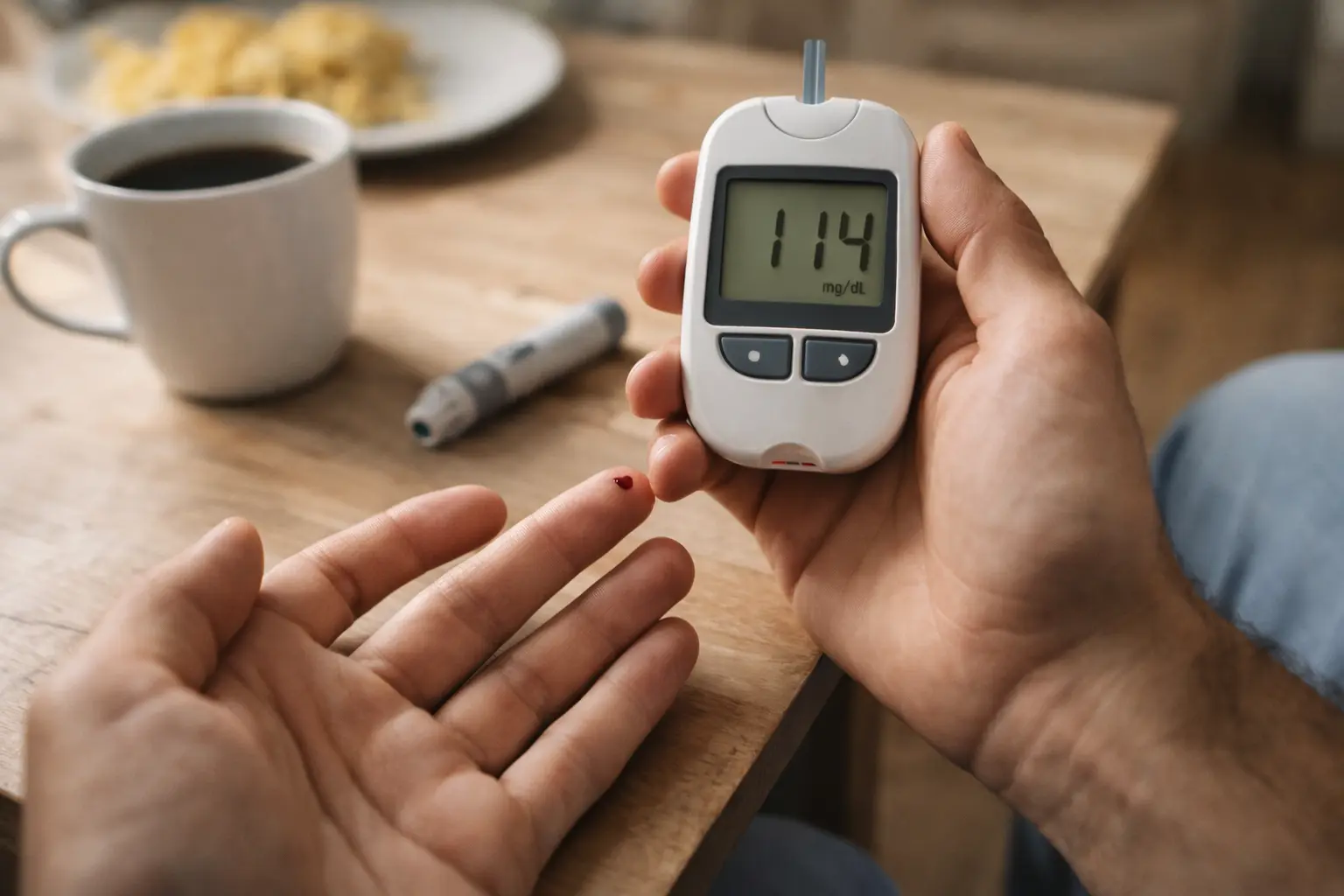
You wake up groggy, grab your glucose meter, and that number staring back at you keeps creeping higher than it should, leaving you wondering if your body is slipping out of control and what fasting blood sugar levels really mean for your future.
Understanding fasting blood sugar levels
Fasting blood sugar levels represent how your body manages glucose when you haven’t eaten for an extended period, typically measured after 8 to 10 hours of sleep or fasting. Think of it as a snapshot of your metabolic health at its baseline state. When you fast, your liver naturally releases stored glucose to keep your body functioning, and your pancreas releases insulin to regulate that glucose. If this system works smoothly, your morning reading falls within a healthy range. For seniors, this measurement becomes increasingly important because your body’s ability to process glucose can change with age, medications, and lifestyle factors. Understanding where your numbers fall helps you recognize whether your metabolic system is running efficiently or if it needs support through diet and activity adjustments.
- Fasting blood sugar levels between 70-100 mg/dL are considered normal.
- Levels above 100 mg/dL but below 126 mg/dL signal prediabetes.
- A reading of 126 mg/dL or higher on two separate tests indicates diabetes.
Tips to maintain healthy fasting blood sugar levels
Building a sustainable eating pattern is one of the most direct ways to influence your morning glucose readings. Start by filling half your plate with non-starchy vegetables like spinach, broccoli, or bell peppers, which provide fiber and nutrients without spiking blood sugar. Add lean proteins such as grilled chicken, fish, or legumes to slow digestion and keep you satisfied longer. Include healthy fats from sources like olive oil, nuts, or avocado, which help stabilize blood sugar throughout the day. A practical example: instead of toast and jam for breakfast, try scrambled eggs with whole grain toast and a side of berries. This swap keeps your glucose stable because the protein and fiber work together to prevent rapid spikes. Avoid sugary cereals, white bread, and processed snacks that cause your blood sugar to spike quickly and then crash, leaving you tired and hungry. Many seniors find that meal timing matters too; eating at consistent times each day helps your body anticipate and regulate glucose more effectively.
📘 Fix your day in under 2 minuteschoose where to begin:
Exercise regularly
Physical activity is like a natural insulin booster for your muscles. When you move your body, your muscles pull glucose directly from your bloodstream without needing as much insulin, which lowers your fasting blood sugar over time. You don’t need intense workouts; moderate activity works exceptionally well for seniors. A 30-minute walk after meals, swimming twice a week, or gentle cycling helps regulate glucose. Consider this scenario: a 68-year-old who starts walking for 20 minutes after dinner may see their fasting reading drop by 10-15 mg/dL within a few weeks because their muscles are consistently using glucose. Resistance training, even light strength work with resistance bands, builds muscle mass, and more muscle means better glucose uptake. Start slowly if you’re new to exercise, perhaps with 10-minute walks, then gradually increase duration. The key is consistency rather than intensity; three moderate sessions per week beats one exhausting session followed by inactivity.
Monitor your levels
Tracking your fasting blood sugar creates a personal data story that reveals patterns you might otherwise miss. Get a home glucose meter and test your fasting level each morning before eating, ideally at the same time daily. Write down the number, the date, and what you ate the previous day, plus any stress or sleep issues. After two to three weeks, patterns emerge: you might notice that nights after you eat pasta cause higher morning readings, or that days when you walk show lower numbers. This information is gold because it shows you exactly what works for your body. Many seniors keep a simple notebook or use a phone app to track readings. Share these records with your doctor during checkups so they can spot trends and adjust your plan if needed. If you see consistent readings above 110 mg/dL, that’s a signal to intensify your dietary changes or increase activity. Monitoring also builds awareness and motivation because you see real results from your efforts.
Seek professional help
Your doctor is your partner in managing blood sugar, especially if your readings stay elevated despite your efforts. If your fasting level consistently reads above 126 mg/dL or if you notice symptoms like increased thirst, frequent urination, or unusual fatigue, schedule an appointment soon. Your healthcare provider can run additional tests like the A1C test, which shows your average glucose over three months, giving a fuller picture than single readings. They may recommend medications if lifestyle changes alone aren’t enough, and that’s not failure; it’s smart management. Some seniors benefit from seeing a registered dietitian who specializes in diabetes or prediabetes, as they can create a personalized meal plan tailored to your preferences and health conditions. If you take multiple medications, your doctor can review whether any of them affect blood sugar and adjust if necessary. Professional guidance also helps you set realistic goals and stay motivated, knowing you have expert support backing your efforts.
Understanding the basics of fasting blood sugar levels is crucial for seniors to manage their health effectively. By maintaining a healthy lifestyle, monitoring levels, and seeking professional guidance when needed, you can keep your blood sugar in check and promote overall well-being.
What causes high fasting blood sugar levels?
High fasting blood sugar levels can be caused by factors such as insulin resistance, obesity, sedentary lifestyle, poor diet, or certain medications.
Can fasting blood sugar levels be lowered naturally?
Yes, adopting a healthy diet, regular exercise routine, maintaining a healthy weight, and managing stress can help lower fasting blood sugar levels naturally.
Others also read:
Disclaimer: This article is for informational purposes only and is not a substitute for professional medical advice. Always consult a healthcare professional for personal guidance.
This guide has been prepared and reviewed by the GlobalHealthBeacon editorial team and reflects current medical research as of 2026. It provides structured, evidence-based information to support informed health decisions.
