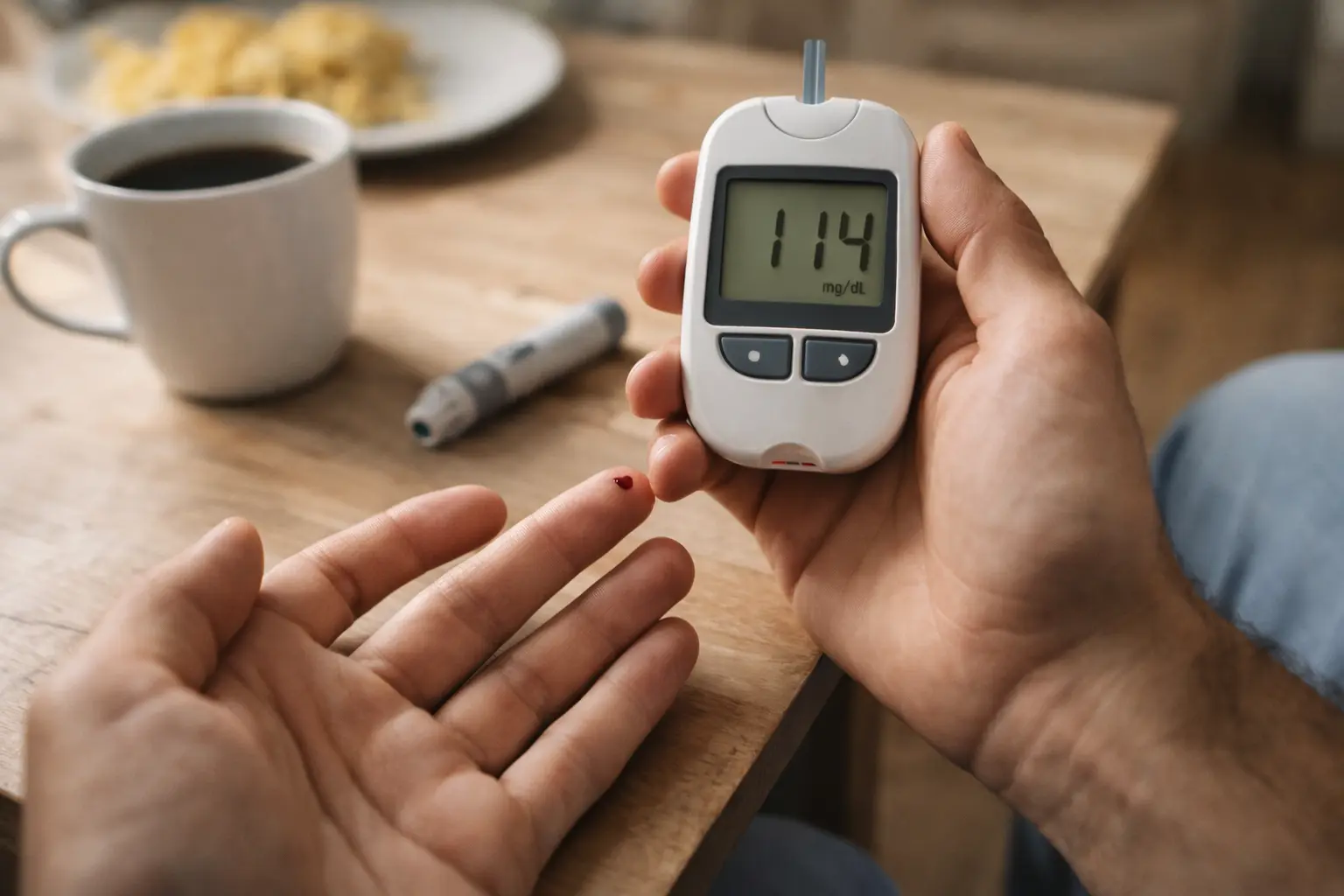
You wake up, feel sluggish, grab coffee, and wonder why your energy crashes by mid-morning, and it turns out your fasting blood sugar levels might be the culprit nobody’s talking about.
What is fasting blood sugar?
Fasting blood sugar refers to the glucose concentration in your bloodstream after you’ve gone without food for at least eight to twelve hours, typically measured first thing in the morning. Think of it as your body’s baseline glucose reading, a snapshot of how your system manages energy when you’re not actively eating. This measurement matters because it reveals how efficiently your body maintains stable blood sugar during rest periods. For young adults, understanding this number is like checking your car’s oil level before a long drive. The test itself is straightforward: a simple blood draw at your doctor’s office or lab. Your fasting glucose level serves as a crucial diagnostic marker for identifying prediabetes, diabetes, or metabolic issues early on. It’s also more reliable than random blood sugar readings because it removes the variable of recent food intake, giving healthcare providers a clear picture of your baseline metabolic health.
Understanding glucose regulation
Your body operates like a sophisticated glucose management system, with the pancreas acting as the control center. When you eat carbohydrates, they break down into glucose, which enters your bloodstream and triggers the pancreas to release insulin. Insulin acts as a key, allowing glucose to move from your blood into your cells where it’s used for energy or stored for later. Glucagon works as insulin’s counterpart, stepping in during fasting periods to signal your liver to release stored glucose, keeping your blood sugar from dropping too low. This elegant dance between insulin and glucagon happens automatically, hundreds of times daily, without you thinking about it. Young adults typically have responsive pancreases and insulin-sensitive cells, meaning this system works efficiently. However, repeated poor dietary choices or sedentary habits can gradually dull this responsiveness, leading to insulin resistance where cells become less responsive to insulin’s signals. Understanding this mechanism helps explain why lifestyle factors matter so much for maintaining healthy fasting glucose levels throughout your life.
Factors influencing fasting blood sugar levels
Your fasting glucose isn’t determined by a single factor but rather by a constellation of daily habits and choices that accumulate over time. Diet plays a starring role: consuming high-sugar foods, refined carbohydrates, and processed snacks regularly trains your pancreas to work harder, potentially leading to elevated fasting levels. Exercise acts as a powerful regulator because physical activity increases insulin sensitivity, meaning your cells become more responsive to insulin’s signals and glucose uptake improves. Sleep deprivation is often overlooked but significantly impacts glucose regulation; when you’re sleep-deprived, your body produces more cortisol and less insulin, pushing fasting glucose higher. Chronic stress triggers your fight-or-flight response, causing the liver to release glucose even when you’re fasting, which explains why anxious periods sometimes correlate with higher readings. Alcohol consumption, particularly heavy drinking, can impair liver function and glucose metabolism. Even seemingly minor habits like irregular meal timing or skipping breakfast can influence how your body manages glucose overnight. The good news is that most of these factors are within your control, making fasting glucose one of the most modifiable health markers available to young adults.
- Monitor your fasting blood sugar regularly through lab tests or home glucose meters to establish your baseline and track changes over time.
- Stay hydrated and consume a balanced diet rich in fiber, whole grains, lean proteins, and healthy fats while limiting refined sugars and processed foods.
- Incorporate regular exercise into your routine, aiming for at least 150 minutes of moderate activity weekly to improve insulin sensitivity.
- Manage stress through relaxation techniques like deep breathing, meditation, yoga, or journaling to reduce cortisol-driven glucose spikes.
🔬 Science-backed benefits in 2 minuteschoose where to begin:
Interpreting fasting blood sugar results
Your fasting glucose reading falls into distinct categories that help determine your metabolic health status. A reading between 70 and 100 mg/dL is considered normal, indicating your body efficiently manages glucose during fasting periods. Values between 100 and 125 mg/dL suggest prediabetes, a warning signal that your glucose regulation is beginning to slip but intervention can still reverse the trend. Readings of 126 mg/dL or higher on two separate tests typically indicate diabetes, requiring medical management and lifestyle changes. Below 70 mg/dL indicates hypoglycemia, meaning your blood sugar dropped too low, which can cause shakiness, sweating, confusion, or fatigue. For young adults, even if your reading falls in the normal range, understanding where you sit within that range matters. Someone at 72 mg/dL has different metabolic characteristics than someone at 98 mg/dL. Context matters too: your individual results should be interpreted alongside your family history, current weight, activity level, and dietary patterns. A healthcare provider can help you understand what your specific number means for your personal health trajectory and whether any interventions are warranted.
The impact of lifestyle choices
Your daily decisions compound over weeks, months, and years, either supporting or undermining your glucose regulation. Consider a typical young adult scenario: someone working a desk job who eats lunch at their computer, skips the gym, stays up late scrolling, and relies on energy drinks and sugary snacks. Over six months, their fasting glucose creeps from 95 to 108 mg/dL, crossing into prediabetic territory. Now imagine the alternative: someone who prioritizes a morning walk, eats whole foods with adequate protein and fiber, maintains consistent sleep schedules, and manages stress through hobbies. Their fasting glucose remains stable at 88 mg/dL. The difference isn’t genetics or luck; it’s accumulated choices. Small changes compound remarkably: replacing one sugary drink daily with water, adding a 20-minute walk three times weekly, or improving sleep by just one hour can all shift your fasting glucose downward. Young adults have a tremendous advantage: your bodies respond quickly to positive changes, often showing improvements within weeks. The habits you build now establish patterns that either protect or compromise your metabolic health for decades to come.
Seeking professional guidance
While understanding fasting glucose science empowers you to make informed choices, professional medical guidance remains essential for personalized interpretation and management. Your doctor can assess your individual risk factors, family history, current health status, and lifestyle to determine how often you should test and what your specific numbers mean for you. If your fasting glucose is elevated, a healthcare provider might recommend dietary counseling, referral to an endocrinologist, or additional testing like an A1C test that shows your average glucose over three months. They can also rule out underlying conditions that might affect glucose metabolism. Young adults sometimes hesitate to seek help because they feel too young for metabolic concerns, but early intervention is precisely when lifestyle changes prove most effective. Your doctor can also help distinguish between normal variation and concerning patterns, provide accountability, and adjust recommendations as your life circumstances change. Regular monitoring combined with professional guidance creates a partnership where you’re informed and empowered while benefiting from medical expertise.
Understanding the science behind fasting blood sugar levels is key to maintaining overall health. By monitoring levels, making healthy lifestyle choices, and seeking professional guidance when needed, you can support your body’s natural glucose regulation.
How often should I monitor my fasting blood sugar levels?
It is recommended to monitor your fasting blood sugar levels regularly, especially if you have a family history of diabetes or other risk factors. Consult your healthcare provider for personalized guidance on monitoring frequency.
Can exercise help regulate fasting blood sugar levels?
Yes, exercise plays a significant role in regulating fasting blood sugar levels by improving insulin sensitivity and glucose uptake by cells. Incorporating regular physical activity into your routine can help stabilize blood sugar levels.
Others also read:
Disclaimer: This article is for informational purposes only and is not a substitute for professional medical advice. Always consult a healthcare professional for personal guidance.
This article has been prepared and reviewed by the GlobalHealthBeacon editorial team and is based on current medical research and published scientific literature available in 2026. It provides structured, evidence-based information to support informed health decisions.
