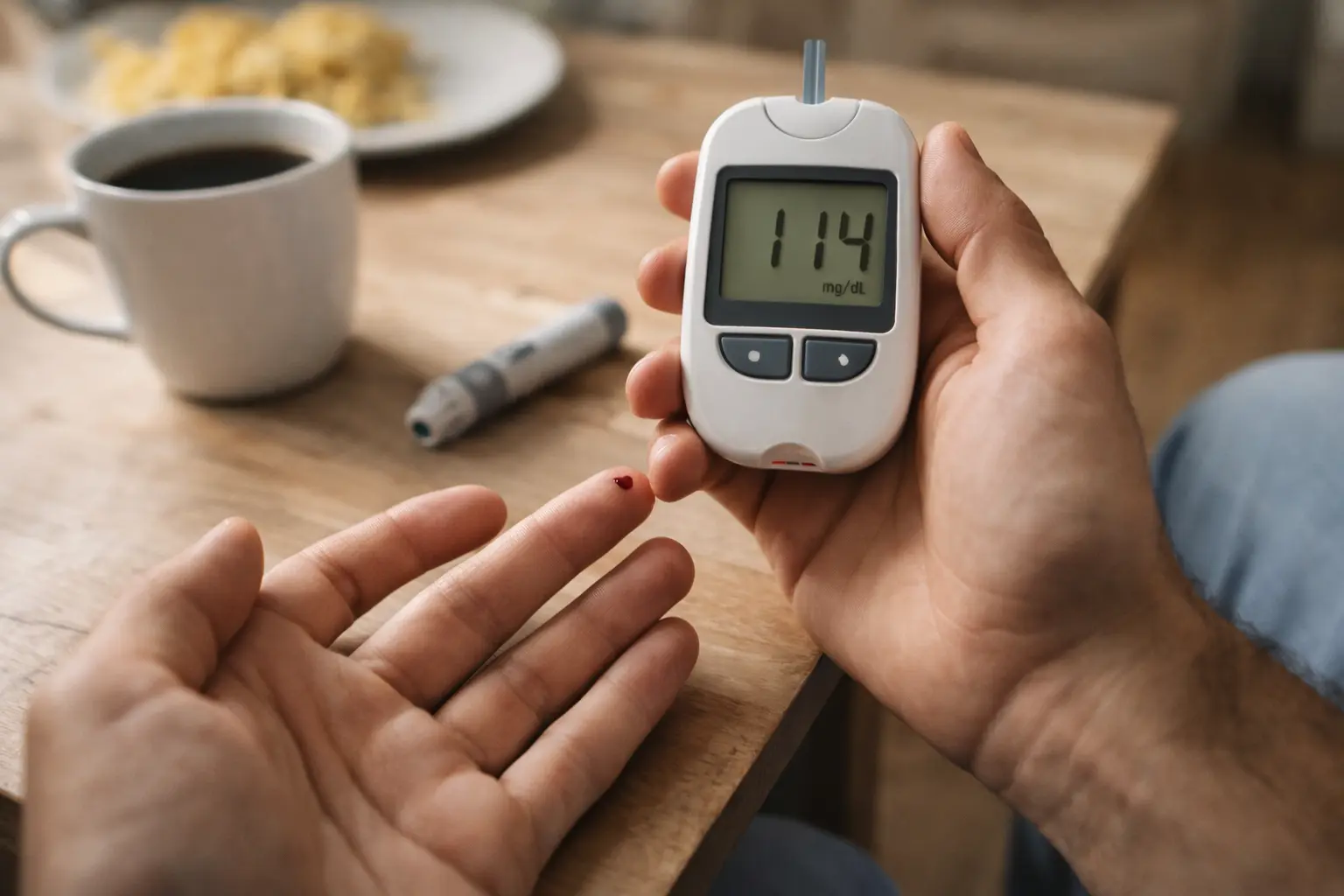
You wake up feeling foggy, grab your coffee, and wonder why your energy crashes by mid-morning, and it turns out your fasting blood sugar levels might be telling a story your body has been trying to share.
The basics of fasting blood sugar levels
Fasting blood sugar levels represent the amount of glucose circulating in your bloodstream after you have not eaten for at least eight to ten hours, typically measured first thing in the morning. This measurement provides a window into how your body manages glucose metabolism during periods of rest and fasting. The normal range for fasting blood sugar typically falls between 70 and 100 mg/dL, though individual variation exists based on age, health status, and metabolic factors. When a woman’s fasting level consistently measures above 100 mg/dL but below 126 mg/dL, it may indicate a state called impaired fasting glucose, which signals that the body is working harder than usual to regulate blood sugar. Values of 126 mg/dL or higher on repeated testing can indicate diabetes. Understanding this baseline measurement matters because it reflects your body’s ability to maintain stable glucose levels without food intake, revealing how efficiently your pancreas produces insulin and how responsive your cells are to that insulin signal.
Factors influencing women’s fasting blood sugar
Women’s fasting blood sugar levels fluctuate based on multiple interconnected factors that extend far beyond simple dietary choices. Hormonal cycles play a significant role, particularly during the luteal phase of menstruation when progesterone levels rise, often causing slight increases in fasting glucose. Menopause introduces another layer of complexity, as declining estrogen can shift insulin sensitivity and glucose metabolism patterns. Physical activity directly impacts how muscles utilize glucose, with sedentary lifestyles contributing to higher fasting levels while regular movement improves insulin sensitivity. Stress triggers the release of cortisol, a hormone that prompts the liver to release stored glucose, potentially elevating morning readings. Sleep quality matters enormously, as poor sleep disrupts hormonal balance and impairs glucose regulation. Diet composition, particularly the balance of carbohydrates, proteins, and fats consumed in the evening meal, influences overnight glucose production. Even factors like caffeine consumption before fasting blood work and the timing of your last meal can subtly affect results. Understanding these interconnected variables helps explain why your fasting reading might vary from day to day and why a single measurement tells only part of the story.
Tips for stabilizing fasting blood sugar naturally
Stabilizing fasting blood sugar naturally involves creating consistent patterns that support your body’s glucose regulation throughout the day and night. A balanced diet rich in whole foods and fiber helps slow glucose absorption, preventing the blood sugar spikes that lead to crashes. Whole grains, legumes, non-starchy vegetables, and fruits provide sustained energy without overwhelming your system. Regular physical activity, even moderate walking for thirty minutes most days, improves how your muscles absorb glucose and enhances insulin sensitivity over time. Stress management through meditation, yoga, or deep breathing techniques reduces cortisol levels, which directly influence fasting glucose readings. Consistent sleep schedules and adequate sleep duration support hormonal balance and metabolic function. Evening meal timing matters too, eating your last meal two to three hours before bed allows your digestive system to process food before sleep, potentially leading to more stable overnight glucose levels. Hydration supports kidney function in glucose regulation, while limiting alcohol consumption prevents interference with liver glucose metabolism. These strategies work synergistically, creating an environment where your body naturally maintains steadier fasting blood sugar levels without relying on restrictive approaches.
- Ensure to include a source of protein in each of your meals, as protein slows carbohydrate digestion and provides sustained satiety.
- Limit consumption of sugary and processed foods, which cause rapid glucose spikes followed by crashes that destabilize your baseline.
- Stay hydrated and avoid excessive alcohol consumption, as both support your liver and kidneys in maintaining glucose homeostasis.
🔬 Science-backed benefits in 2 minuteschoose where to begin:
Importance of regular blood sugar monitoring
Regular monitoring of fasting blood sugar levels serves as an early warning system for metabolic changes that might otherwise go unnoticed until symptoms develop. Tracking your fasting readings over weeks and months reveals patterns that a single measurement cannot show, helping you identify which lifestyle factors most influence your individual glucose metabolism. Early detection of elevated fasting levels allows you to intervene with lifestyle modifications before progressing to prediabetes or diabetes, when medication may become necessary. A healthcare provider can interpret your readings within the context of your complete health picture, considering your age, family history, weight, and other risk factors. They can also determine whether additional testing, such as the hemoglobin A1C test which shows average glucose over three months, would provide valuable information. Regular monitoring creates accountability and motivation, as seeing improvements in your numbers reinforces the positive impact of your efforts. For women experiencing hormonal transitions like perimenopause or menopause, consistent monitoring helps distinguish between normal hormonal fluctuations and genuine metabolic changes requiring intervention. This proactive approach transforms abstract health concepts into concrete, measurable data that empowers informed decision-making.
Research findings on women’s fasting blood sugar
Scientific research consistently demonstrates that women experience distinct patterns in fasting blood sugar regulation compared to men, largely driven by hormonal influences across the lifespan. Studies show that during the luteal phase of the menstrual cycle, when progesterone peaks, fasting glucose levels tend to rise slightly and insulin sensitivity decreases, a phenomenon that repeats monthly in reproductive-age women. Research on menopause reveals that the decline in estrogen significantly alters glucose metabolism, with many women experiencing increased fasting blood sugar levels and reduced insulin sensitivity during this transition. Longitudinal studies tracking women over decades show that metabolic changes accelerate after menopause, making this life stage particularly important for blood sugar monitoring and intervention. Emerging research suggests that women may be at higher risk for developing type 2 diabetes following gestational diabetes during pregnancy, highlighting the importance of postpartum monitoring. Studies also indicate that women often experience different symptom presentations and diagnostic delays compared to men, underscoring the need for gender-specific awareness and screening. Understanding these research-backed patterns helps women recognize that fluctuations in their fasting blood sugar readings may reflect normal hormonal biology rather than personal failure, encouraging compassionate self-monitoring and appropriate medical consultation.
Conclusion on women’s fasting blood sugar
Women’s fasting blood sugar levels represent a measurable window into metabolic health that deserves regular attention and thoughtful interpretation. The science is clear that hormonal fluctuations, lifestyle factors, and life stage transitions all meaningfully influence these readings, making a one-size-fits-all approach inadequate for women’s health. By understanding the biological mechanisms driving your fasting glucose levels and recognizing the unique factors that affect you personally, you move from passive observation to active participation in your health. Adopting consistent lifestyle practices like balanced nutrition, regular movement, stress management, and adequate sleep creates the foundation for stable blood sugar regulation. Seeking professional guidance from a healthcare provider ensures that your individual readings are interpreted correctly and that any interventions recommended align with your specific circumstances and health goals. The goal is not perfection or rigid control, but rather developing a sustainable approach that supports your body’s natural ability to maintain healthy glucose metabolism across all the seasons of your life. By taking this informed, personalized approach, you invest in not just your metabolic health but your overall vitality and well-being.
Research reveals that women’s fasting blood sugar levels are influenced by hormonal cycles, life stage transitions, and modifiable lifestyle factors, making regular monitoring and personalized management strategies essential for long-term health.
What is the normal range for fasting blood sugar levels in women?
The normal range for fasting blood sugar levels in women is typically between 70 and 100 mg/dL. Readings between 100 and 125 mg/dL may indicate impaired fasting glucose, while consistent readings of 126 mg/dL or higher on repeated testing can indicate diabetes. Individual variation exists based on age and health status, so consulting a healthcare provider about your specific readings ensures accurate interpretation within your personal health context.
How can women stabilize their fasting blood sugar naturally?
Women can stabilize their fasting blood sugar naturally by eating a balanced diet rich in whole foods and fiber, engaging in regular physical activity like walking or strength training, managing stress through meditation or yoga, prioritizing consistent sleep schedules, timing evening meals two to three hours before bed, staying adequately hydrated, and limiting alcohol consumption. These strategies work together to support insulin sensitivity and glucose metabolism without requiring restrictive approaches.
Others also read:
Disclaimer: This article is for informational purposes only and is not a substitute for professional medical advice. Always consult a healthcare professional for personal guidance.
This article has been prepared and reviewed by the GlobalHealthBeacon editorial team and is based on current medical research and published scientific literature available in 2026. It provides structured, evidence-based information to support informed health decisions.
