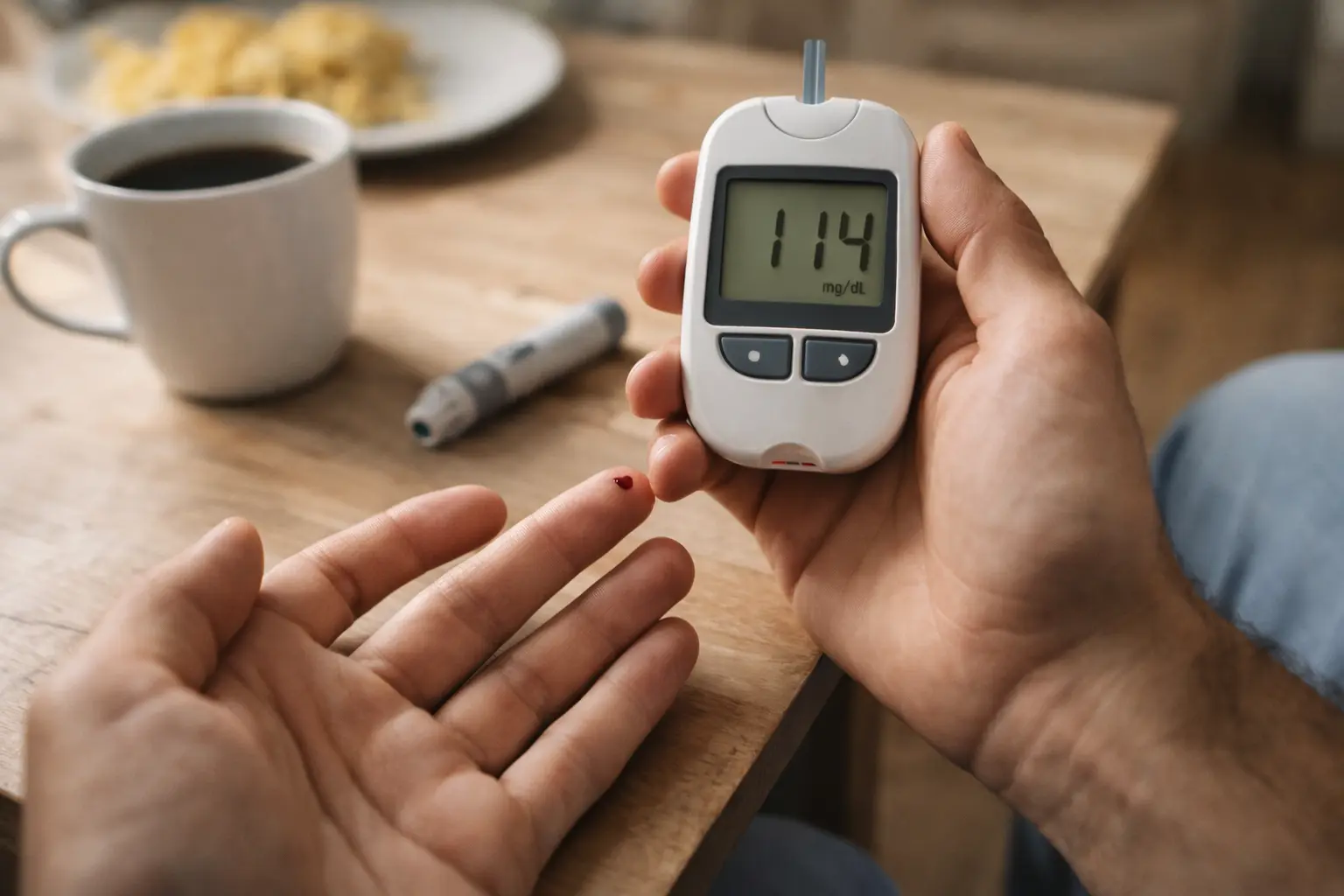
You wake up feeling fine, crush a bagel for breakfast, and by 10 AM you’re hitting that wall hard, foggy and irritable, wondering if something’s genuinely wrong with your body, and the truth is your fasting blood sugar levels might be the missing puzzle piece explaining why you feel this way.
Understanding fasting blood sugar levels
Think of fasting blood sugar as your body’s baseline report card. When you haven’t eaten for at least eight hours, typically overnight, your blood glucose sits at a natural resting level. For young adults, this number tells a story about how well your metabolism is actually working behind the scenes. Imagine Sarah, a 26-year-old marketing manager who always felt sluggish in the mornings. She got her fasting blood sugar tested and discovered it was sitting at 105 mg/dL, higher than the ideal range. That one number explained so much: why she needed three coffees before noon, why her afternoon energy crashed, why she couldn’t focus during important meetings. This test reveals whether your body is handling glucose efficiently or if it’s starting to struggle. It’s not just a number on a lab report; it’s early intelligence about your metabolic future.
- Provides a baseline for your blood sugar control throughout the day
- Helps identify early signs of prediabetes or diabetes
- Aids in understanding how your body processes sugar from the foods you eat
Interpreting the results
The normal range sits between 70 to 99 mg/dL, and honestly, that sweet spot feels achievable once you understand what the numbers actually mean. Between 100 to 125 mg/dL enters prediabetes territory, which sounds alarming but is actually your body’s way of sending a warning signal you can still act on. Anything 126 mg/dL and above suggests diabetes. Here’s what matters: these numbers aren’t destiny, they’re direction. Jake, a 24-year-old engineer, got a reading of 118 mg/dL and felt devastated until his doctor explained this was a wake-up call, not a diagnosis. Within six months of adjusting his diet and adding evening walks, his next test showed 103 mg/dL. The interpretation matters less than what you do with the information. Your healthcare provider can walk you through what your specific number means for your body, your family history, and your personal risk factors, helping you understand whether lifestyle tweaks or further monitoring is the right move.
💬 Ready to feel better in 2 minutes?choose where to begin:
Lifestyle factors impacting levels
Your fasting blood sugar doesn’t exist in a vacuum; it’s influenced by everything you do from the moment you wake up until you sleep. Diet plays the obvious role, but it’s more nuanced than just avoiding sugar. Eating refined carbs late at night can spike your morning reading, while a balanced dinner with protein and healthy fats keeps things stable. Physical activity matters tremendously; a 20-minute walk after meals helps your muscles absorb glucose more efficiently. Then there’s the stuff nobody talks about enough: stress and sleep. When you’re anxious or sleep-deprived, your cortisol rises, which actually tells your liver to release more glucose. Emma, a 25-year-old grad student, was shocked to discover her elevated fasting readings correlated directly with her thesis stress and late-night study sessions. Once she prioritized sleep and added yoga to her routine, her numbers improved without changing her diet. Your lifestyle is the control panel; small adjustments in multiple areas create real, measurable changes.
Regular monitoring for health maintenance
Getting one fasting blood sugar test is informative; getting tested regularly is transformative. For young adults without risk factors, annual checks provide a baseline and track trends over time. If you have family history of diabetes, carry extra weight, or notice symptoms like increased thirst or fatigue, more frequent monitoring makes sense. The power of regular testing is that it removes guesswork from your health decisions. Marcus, a 27-year-old who started testing every six months, watched his numbers gradually climb from 95 to 108 over two years, catching the trend before it became a crisis. This pattern motivated him to make changes immediately rather than waiting for a diagnosis. Monitoring transforms abstract health concepts into concrete, personal data that proves your actions matter. You’re not just hoping you’re healthy; you’re actually measuring it, adjusting, and proving to yourself that you have real control over your metabolic future.
Understanding the significance of fasting blood sugar levels allows young adults to grasp crucial insights into their metabolic health. Interpreting and monitoring these levels enables proactive health management for a vibrant and fulfilling life.
What should I do if my fasting blood sugar levels are elevated?
Consult your healthcare provider for a comprehensive evaluation and personalized recommendations. They can assist in creating a tailored plan to address your specific needs and support you in managing your blood sugar levels effectively.
How often should young adults test their fasting blood sugar levels?
It is recommended for young adults to consult their healthcare provider for guidance on the frequency of testing based on individual health factors. Regular monitoring may be advised for those at increased risk or with existing health conditions.
Others also read:
Disclaimer: This article is for informational purposes only and is not a substitute for professional medical advice. Always consult a healthcare professional for personal guidance.
This article presents an experience-based perspective and has been reviewed by the GlobalHealthBeacon editorial team in 2026. It provides structured, evidence-based information to support informed health decisions.
