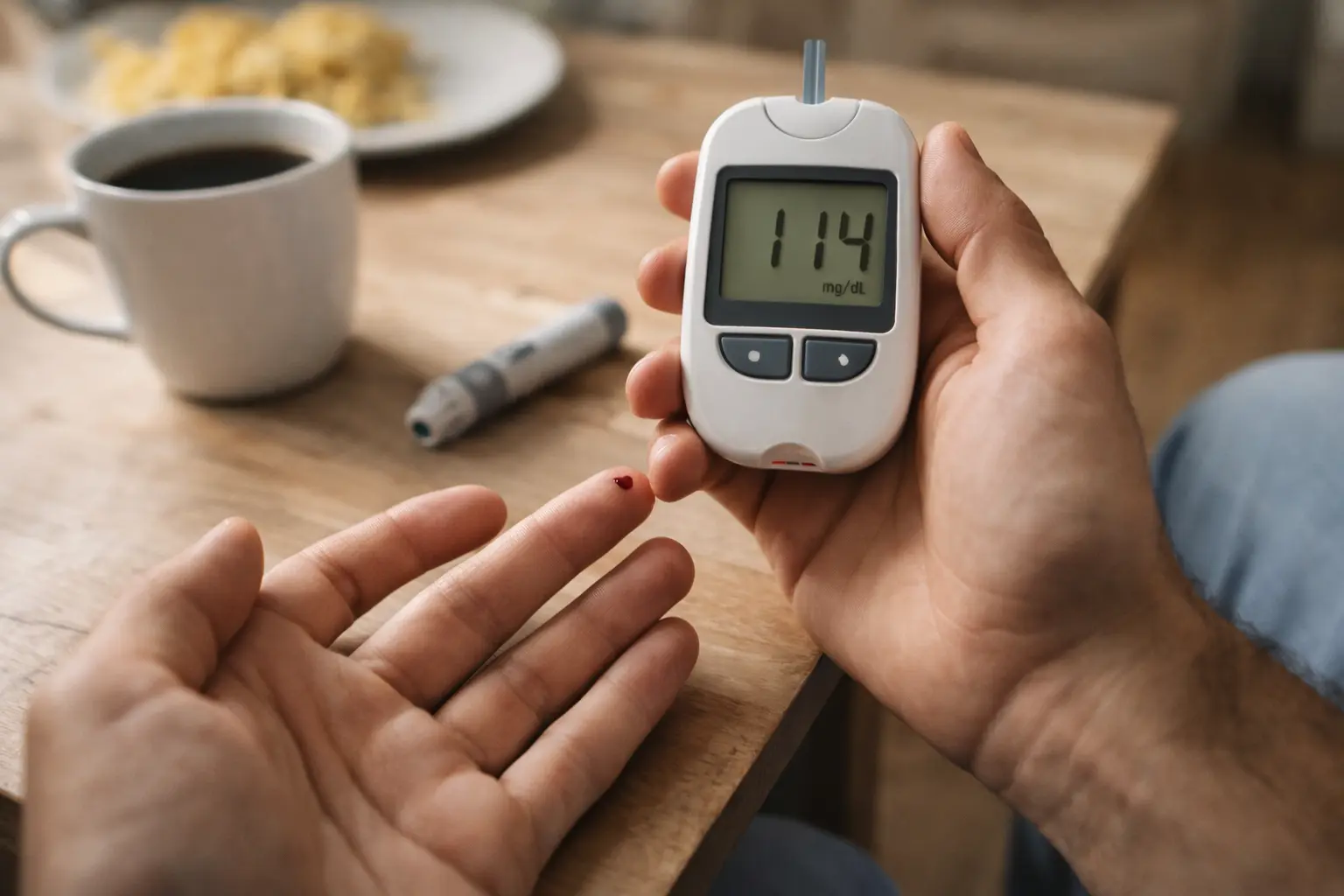
You wake up, skip breakfast, get blood work done, and the doctor mentions your fasting blood sugar levels like it matters – but nobody explains why, leaving you wondering if you should actually be worried or if it’s just another health scare.
The basics of fasting blood sugar levels
Fasting blood sugar levels represent the concentration of glucose circulating in your bloodstream after you’ve gone without food for at least 8 hours, typically measured first thing in the morning. Think of it as a snapshot of how your body manages glucose when it’s not actively digesting food. During fasting, your liver releases stored glucose to maintain your brain and body’s energy needs, and this process reveals how efficiently your pancreas is doing its job. For young adults, understanding this baseline measurement is like checking your car’s oil before a long road trip. It tells you whether your metabolic engine is running smoothly or if there are early warning signs of trouble. The test itself is straightforward: a simple blood draw after an overnight fast, no special preparation needed beyond skipping food and drinks except water. This single number carries significant weight because it reflects your body’s insulin sensitivity and glucose regulation capacity over time.
Factors influencing fasting blood sugar levels
Your fasting glucose doesn’t exist in a vacuum. Diet plays an obvious role, but the timing and composition matter more than you might think. Eating refined carbohydrates and sugary foods regularly trains your body to expect constant glucose spikes, which can dull your insulin response over time. Physical activity works like a glucose vacuum cleaner, helping your muscles absorb sugar without requiring as much insulin. Genetics load the gun, but lifestyle pulls the trigger. If your parents or grandparents had diabetes, you’re not destined for it, but you’re starting from a different baseline. Stress hormones like cortisol actively raise blood sugar by signaling your liver to release more glucose, which is why chronic stress and poor sleep quality are silent saboteurs. Even your sleep schedule matters. Irregular sleep patterns confuse your body’s circadian rhythm, affecting how it regulates glucose throughout the day. Young adults juggling work, social life, and irregular schedules often underestimate how much their sleep chaos impacts their metabolic health.
How to interpret fasting blood sugar levels
The numbers themselves are straightforward, but what they mean requires context. A fasting glucose reading between 70 and 100 mg/dL is considered normal, meaning your body is handling glucose regulation well. Readings between 100 and 125 mg/dL fall into the prediabetes range, which doesn’t mean you have diabetes yet but signals that your insulin sensitivity is declining. This is actually the most important zone for young adults because it’s where intervention works best. A single reading above 126 mg/dL isn’t a diagnosis, but two separate readings above this threshold indicate type 2 diabetes. The key word is separate, meaning your doctor will retest to confirm before making any diagnosis. Some people see a slightly elevated reading and panic, while others ignore it entirely. The truth is somewhere in the middle. One elevated reading might reflect a stressful week or poor sleep, but a pattern of elevated readings deserves attention. Think of it like a credit score: one missed payment doesn’t ruin you, but a pattern of missed payments signals a real problem.
- Get a baseline fasting glucose test from your doctor to establish your personal starting point and understand where you stand.
- Track your results over time by scheduling regular tests, especially if you have family history of diabetes or notice lifestyle changes affecting your health.
- Identify your personal triggers by keeping notes on diet, sleep, stress, and activity levels alongside your test results to spot patterns.
- Consult your healthcare provider about your specific numbers and risk factors rather than comparing yourself to generic ranges online.
- Create a personalized action plan based on your results, whether that means dietary adjustments, exercise increases, or stress management strategies.
🔬 Science-backed benefits in 2 minuteschoose where to begin:
The impact of fasting blood sugar on health
Chronically elevated fasting glucose doesn’t just sit there harmlessly. High blood sugar acts like sandpaper on your blood vessels, gradually damaging the delicate lining that keeps them flexible and healthy. Over time, this damage accumulates in your arteries, increasing your risk of heart attack and stroke, which might seem like old-person problems until you realize that atherosclerosis starts in your twenties and thirties. Your kidneys filter waste using tiny blood vessels that are especially vulnerable to glucose damage, potentially leading to kidney disease that might not show symptoms until significant damage has occurred. Nerve damage from sustained high blood sugar can cause numbness, tingling, or pain in your extremities, sometimes called diabetic neuropathy. Vision problems develop when high glucose damages blood vessels in your eyes, potentially leading to vision loss. The frustrating part is that these complications often develop silently, with no symptoms until real damage has happened. This is why catching elevated fasting glucose early, while you’re still young and your body has maximum healing capacity, matters so much. Young adults have a unique advantage: your body responds dramatically to lifestyle changes, potentially reversing prediabetes entirely if you act now.
Managing fasting blood sugar levels
Managing your fasting glucose starts with understanding that food is information, not just fuel. Fiber-rich foods like oats, beans, and vegetables slow glucose absorption, preventing the sharp spikes that exhaust your pancreas. Processed foods and refined sugars do the opposite, causing rapid spikes that train your body to become insulin resistant. Physical activity doesn’t just burn calories; it makes your muscles hungry for glucose, pulling it out of your bloodstream without requiring insulin. Even a 15-minute walk after meals can meaningfully reduce glucose spikes. Stress management sounds fluffy until you realize that chronic stress keeps your cortisol elevated, which constantly signals your liver to release glucose. Meditation, deep breathing, or even just regular social time with friends can lower your baseline cortisol. Sleep quality matters as much as quantity. Seven to nine hours of consistent sleep allows your body to regulate hormones properly, while irregular sleep schedules or chronic sleep deprivation impair insulin sensitivity. Young adults often sacrifice sleep for productivity, not realizing they’re sabotaging their metabolic health in the process. The combination of these factors working together creates exponential benefits that single interventions can’t match.
The importance of regular monitoring
Regular monitoring transforms fasting glucose from an abstract number into actionable information about your health trajectory. If you have family history of diabetes, are overweight, or live a sedentary lifestyle, getting a baseline test in your twenties gives you years of advance warning before problems develop. Monitoring doesn’t mean obsessing over numbers or testing yourself constantly. Instead, it means getting tested periodically, perhaps annually or every few years depending on your risk factors, and using those results to guide your lifestyle choices. The real power comes from seeing your numbers improve when you make changes. That tangible feedback motivates continued effort far better than abstract health advice. Young adults who catch elevated fasting glucose early and make lifestyle adjustments often see their numbers return to normal within months, completely reversing their prediabetes status. This isn’t just about avoiding disease; it’s about optimizing your energy, mental clarity, and long-term health trajectory. Think of monitoring as your personal health dashboard, giving you the data you need to make informed decisions about your body.
Fasting blood sugar levels serve as an early warning system for your metabolic health, and understanding them puts you in control of your future. The science is clear: diet, exercise, stress, and sleep all influence these levels, and young adults have a unique window of opportunity to reverse prediabetes through lifestyle changes. Regular monitoring combined with informed action transforms a simple blood test into a powerful tool for optimizing your health and preventing serious complications down the road.
What causes high fasting blood sugar levels?
High fasting blood sugar stems from insulin resistance, where your cells stop responding effectively to insulin’s signal to absorb glucose. This develops gradually through a combination of factors: consistently eating refined carbohydrates and sugars, sedentary lifestyle, chronic stress, poor sleep quality, and genetic predisposition. Your pancreas works overtime trying to push glucose into resistant cells, eventually becoming exhausted. Certain medications, hormonal conditions, and liver disease can also elevate fasting glucose. The key insight for young adults is that insulin resistance develops silently over years, making early detection and intervention crucial before it progresses to diabetes.
How often should I monitor my fasting blood sugar levels?
Monitoring frequency depends on your personal risk profile. If you have no family history of diabetes and maintain a healthy weight with regular exercise, annual testing during routine checkups is reasonable. If you have family history, are overweight, sedentary, or have already shown elevated readings, testing every 6 months or annually gives you better tracking data. Young adults with prediabetes should test more frequently, perhaps every 3 to 6 months, to monitor whether lifestyle changes are working. Your healthcare provider can recommend the right schedule based on your specific situation and risk factors.
Others also read:
Disclaimer: This article is for informational purposes only and is not a substitute for professional medical advice. Always consult a healthcare professional for personal guidance.
This article has been prepared and reviewed by the GlobalHealthBeacon editorial team and is based on current medical research and published scientific literature available in 2026. It provides structured, evidence-based information to support informed health decisions.
