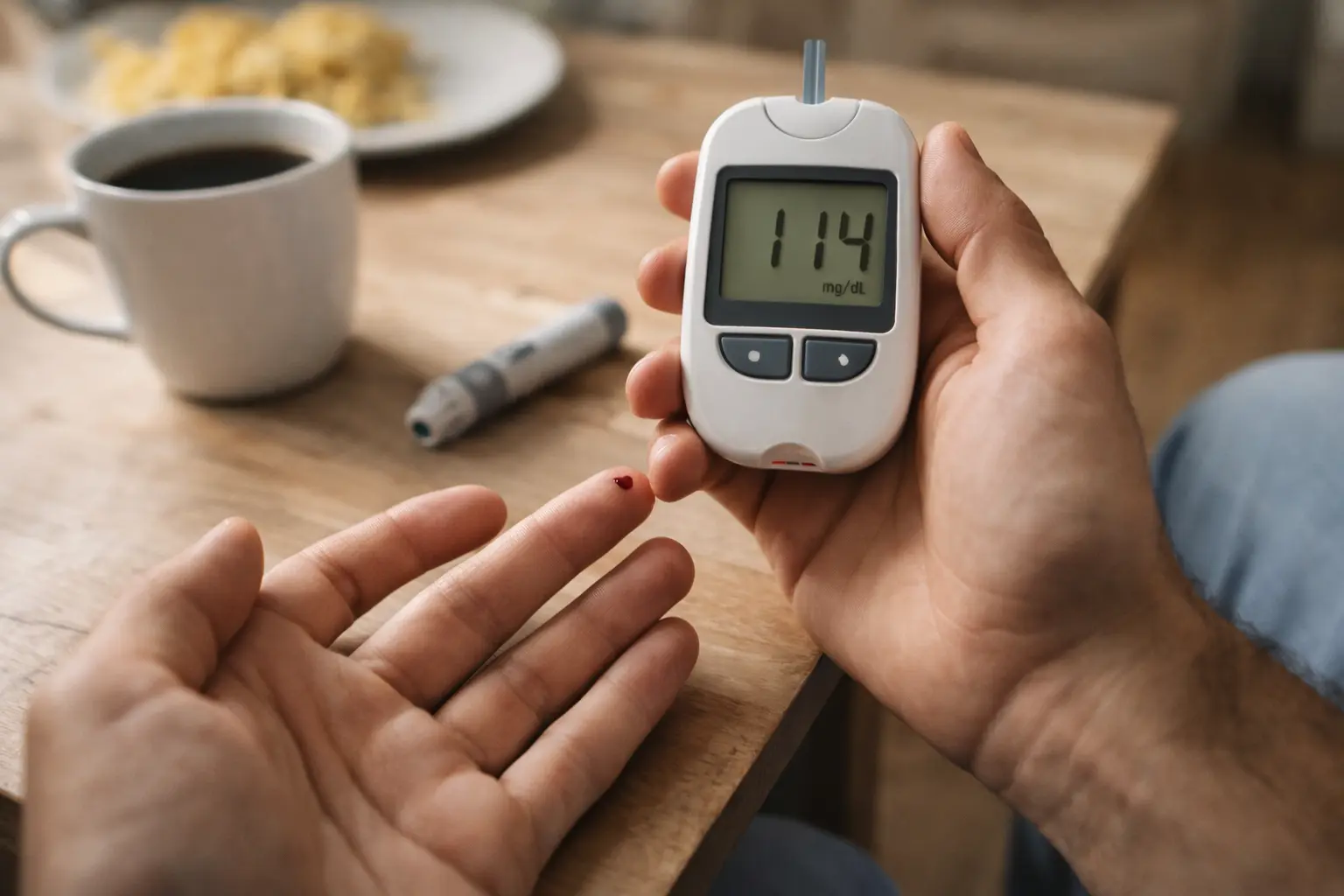
You wake up, check your blood sugar before breakfast, and the number staring back at you feels higher than it should be, leaving you wondering if your body is working against you or if this is just normal aging.
Understanding fasting blood sugar levels
Fasting blood sugar levels represent the amount of glucose circulating in your bloodstream after you have not eaten for at least eight to twelve hours, typically measured first thing in the morning. This measurement serves as a window into how your body manages glucose production and utilization when it is not processing incoming food. Think of it like checking your car’s baseline fuel level before a long drive. The pancreas, a small organ behind your stomach, continuously produces glucose from stored reserves to keep your brain and organs functioning. When you fast overnight, your liver releases stored glucose in a steady, controlled manner. A fasting glucose reading tells your healthcare provider whether this delicate balance is working smoothly or whether your cells are struggling to respond to insulin signals. For seniors, this measurement becomes increasingly important because the body’s glucose regulation system changes with age, and early detection of shifts in these patterns can help guide lifestyle and medical decisions before complications develop.
The role of insulin
Insulin is a hormone produced by specialized cells in the pancreas called beta cells, and it acts like a key that unlocks cells so they can absorb glucose for energy and storage. When you eat a meal containing carbohydrates, your blood sugar rises, triggering the pancreas to release insulin into the bloodstream. This hormone travels throughout your body, signaling muscle, fat, and liver cells to take up glucose. In younger adults, this system operates with remarkable precision and speed. However, as people age, a phenomenon called insulin resistance often develops, meaning cells become less responsive to insulin signals. Imagine knocking on a door that opens more slowly with each knock. Your pancreas responds by producing more insulin to compensate, but this extra demand eventually takes a toll. For seniors, this age-related decline in insulin sensitivity is not a personal failure but rather a natural biological shift. Understanding this process helps explain why fasting glucose levels may creep upward over the years, even when diet and activity levels remain relatively stable.
Factors affecting fasting glucose levels
Multiple interconnected factors influence your fasting glucose reading, and recognizing them empowers you to understand what your numbers actually mean. Diet plays a foundational role. Consuming excessive refined carbohydrates and added sugars over time can lead to chronic elevation in blood sugar and increased insulin demand. A senior who regularly eats white bread, sugary cereals, and processed snacks may see fasting glucose levels climb compared to someone eating whole grains, vegetables, and lean proteins. Physical activity directly improves how efficiently your muscles take up glucose. A sixty-eight-year-old who walks thirty minutes daily typically has better insulin sensitivity than a sedentary peer. Aging itself reduces muscle mass, which is your body’s primary glucose storage depot, so maintaining muscle through activity becomes increasingly protective. Stress and poor sleep also elevate fasting glucose by triggering cortisol release, which prompts the liver to release more glucose. Medications like certain blood pressure drugs can influence readings. Even hydration status and the timing of your last meal matter. These factors rarely operate in isolation, which is why two seniors with identical genetics can have very different fasting glucose patterns based on their lifestyle choices.
- Monitor your fasting blood sugar levels regularly with a consistent testing schedule recommended by your healthcare provider.
- Adopt a balanced diet rich in whole foods, vegetables, lean proteins, and low in added sugars and refined carbohydrates.
- Engage in physical activities like walking, swimming, or yoga at least three to four times per week.
- Consult your healthcare provider for personalized advice tailored to your individual health profile and medical history.
🔬 Science-backed benefits in 2 minuteschoose where to begin:
Impact of medications on fasting glucose
Many medications commonly prescribed to seniors can influence fasting glucose levels, sometimes in unexpected ways. Corticosteroids, often used for inflammatory conditions like rheumatoid arthritis or chronic obstructive pulmonary disease, can significantly raise blood sugar by increasing glucose production in the liver and reducing insulin sensitivity. Diuretics, frequently prescribed for high blood pressure or heart conditions, can elevate glucose levels by causing electrolyte imbalances that affect insulin secretion. Beta-blockers, another blood pressure medication, may mask the warning signs of low blood sugar and can modestly increase glucose levels. Some antipsychotic medications and certain antidepressants also carry glucose-raising effects. A seventy-two-year-old taking a diuretic for hypertension might notice their fasting glucose creeping upward not because of lifestyle changes but because of the medication itself. This does not mean stopping these medications, which may be essential for managing other serious conditions. Rather, it means being aware that your fasting glucose reading reflects the combined effect of your body’s natural processes plus pharmaceutical interventions. Open communication with your healthcare provider about all medications you take allows for informed monitoring and potential adjustments if needed.
Understanding glycemic control
Glycemic control refers to your body’s ability to keep blood sugar levels within a healthy target range throughout the day and night. Good glycemic control means your fasting glucose stays stable, your post-meal glucose spikes are moderate and brief, and your overall glucose patterns show consistency. For seniors, maintaining good glycemic control is not just about avoiding diabetes but about protecting your cardiovascular system, kidneys, eyes, and nervous system from the cumulative damage that high blood sugar causes over time. Think of it as maintaining the right water pressure in your home’s plumbing system. Too much pressure damages pipes, and too little leaves you without flow. Similarly, chronically elevated glucose damages blood vessel walls and nerves. The body has multiple mechanisms to achieve glycemic control, including insulin secretion, glucagon release from the pancreas, and hormonal signals from the liver. When these systems work together smoothly, your fasting glucose remains in a healthy range. When they fall out of sync, fasting glucose rises. For seniors, the goal is not perfection but rather stability and awareness, allowing you to catch concerning trends early and work with your healthcare team to maintain the best possible control given your individual circumstances.
The importance of regular monitoring
Regular monitoring of your fasting blood sugar levels serves as an early warning system for changes in your metabolic health. By checking your levels consistently, ideally on the same schedule and under similar conditions, you create a personal health record that reveals trends over weeks and months. A senior who monitors weekly might notice that their fasting glucose gradually increases from ninety-five to one hundred ten to one hundred twenty-five over six months, signaling a shift that warrants discussion with their healthcare provider. Without monitoring, these gradual changes often go unnoticed until symptoms appear or a routine checkup reveals significant elevation. Monitoring also helps you understand how specific foods, activities, stress levels, and sleep quality affect your individual glucose patterns. You might discover that your fasting glucose is consistently higher after nights when you sleep poorly or after stressful days. This personalized knowledge empowers you to make targeted adjustments. Modern glucose monitoring has become easier with home testing kits and continuous glucose monitors, removing barriers to staying informed. By staying proactive and informed through regular monitoring, seniors can take control of their health trajectory and make necessary adjustments to maintain optimal blood sugar levels before problems develop.
Fasting blood sugar levels provide valuable insights into seniors’ health, reflecting how their bodies manage glucose without food intake. Understanding the role of insulin, lifestyle factors, medications, and glycemic control is key to maintaining healthy blood sugar levels. Regular monitoring and proactive management are essential for seniors to optimize their health.
How often should seniors check their fasting blood sugar levels?
Seniors with diabetes or at risk of developing diabetes should check their fasting blood sugar levels as recommended by their healthcare provider. Typically, this may range from daily to several times a week, depending on individual health needs.
Can fasting blood sugar levels fluctuate throughout the day?
Yes, fasting blood sugar levels can vary throughout the day due to factors like diet, physical activity, medications, and stress. Monitoring levels consistently, especially in the morning after an overnight fast, provides a more accurate picture of overall blood sugar control.
Others also read:
Disclaimer: This article is for informational purposes only and is not a substitute for professional medical advice. Always consult a healthcare professional for personal guidance.
This article has been prepared and reviewed by the GlobalHealthBeacon editorial team and is based on current medical research and published scientific literature available in 2026. It provides structured, evidence-based information to support informed health decisions.
