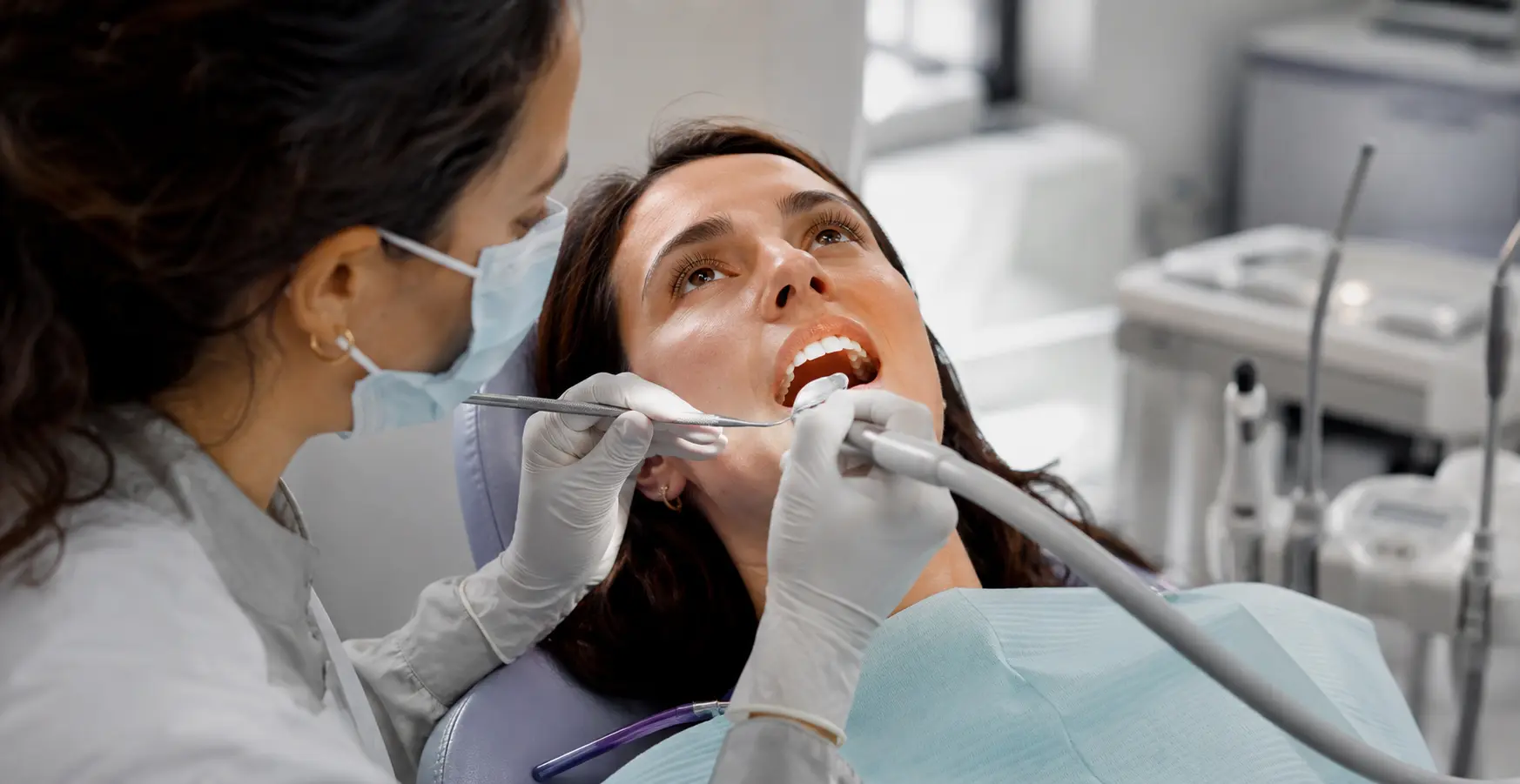
Struggling to eat your favorite foods, avoiding social situations because you’re self-conscious about your teeth, or dealing with constant discomfort from loose dentures? Full mouth dental implants can finally give you back the confident smile and functional bite you thought were gone for good.
Understanding full mouth dental implants
Full mouth dental implants represent a significant shift from traditional dentures or partial solutions. Instead of replacing individual teeth one at a time, this comprehensive approach restores your entire set of teeth using titanium posts anchored directly into your jawbone, topped with custom-crafted artificial teeth that blend seamlessly with what remains of your natural smile. Think of it like rebuilding the foundation of a house rather than just patching the roof. For seniors, this matters because the procedure addresses not just the visible problem of missing teeth but also the underlying bone loss that occurs when teeth are absent. Over time, your jawbone naturally shrinks without tooth roots to stimulate it, which changes your facial structure and makes traditional dentures fit poorly. Full mouth implants halt this process and can even stimulate bone regeneration. Many seniors report that within weeks of completing treatment, they feel like themselves again, able to laugh freely at dinner without worrying about dentures shifting, bite into an apple without hesitation, or speak clearly without the clicking or slipping that plagues removable solutions.
- Improved ability to chew and speak effectively
- Enhanced aesthetics and self-confidence
- Prevention of bone loss and shifting of remaining teeth
Initial evaluation and treatment planning
Your journey begins not in the surgical chair but in the consultation room, where your dentist becomes part detective and part architect. This initial phase is crucial and should never be rushed. Your dental professional will conduct a thorough assessment that includes detailed imaging such as 3D cone beam CT scans to map your jawbone structure, evaluate bone density in specific areas, and identify any anatomical considerations unique to your situation. They’ll examine your gum health, check for any active infections, and review your medical history to ensure you’re a good candidate. For example, if you’ve had significant bone loss in your upper jaw, your dentist might recommend bone grafting before implant placement. They’ll also discuss your lifestyle, bite force, and aesthetic goals. Do you want your implants to look exactly like your natural teeth once looked, or are you envisioning a brighter, more youthful smile? This conversation shapes everything that follows. Your dentist will then create a detailed treatment plan that outlines the timeline, number of implants needed, type of restoration (fixed or removable), and realistic cost expectations. This step prevents surprises and ensures you feel informed and confident moving forward.
📘 Fix your day in under 2 minuteschoose where to begin:
Surgical procedure and healing process
The day of surgery arrives with a mix of anticipation and understandable nerves. You’ll be made comfortable with local anesthesia, and many patients choose sedation to make the experience less stressful. Your surgeon will carefully place titanium implant posts into your jawbone at precise angles and depths, a process that typically takes several hours depending on how many implants are needed. You might hear sounds or feel pressure, but pain should not be part of the experience. After surgery, you’ll go home with detailed aftercare instructions: ice for the first 24 hours to reduce swelling, pain management with prescribed or over-the-counter medication, and a soft diet for the first week or two. Healing unfolds in stages. The first two weeks involve initial bone response and tissue healing. By week three or four, most patients feel well enough to return to light activities. The real magic happens over the next three to six months as osseointegration occurs, meaning the bone grows around and bonds with the titanium implants, creating an incredibly strong foundation. During this waiting period, you’ll wear temporary teeth so you can eat, speak, and smile without anyone knowing implants are integrating beneath the surface. This phase requires patience, but it’s what makes implants so durable compared to other solutions.
Final prosthesis placement
Once your dentist confirms that osseointegration is complete, the final phase begins. Your custom prosthetic teeth are carefully designed and fabricated to match your facial structure, skin tone, and personal preferences. If you’re choosing fixed implants, these are permanently attached to your implant posts, functioning exactly like natural teeth. You brush and floss them just as you would natural teeth, and they never come out. If you prefer removable implant-supported dentures, they snap securely onto your implants with special attachments, eliminating the movement and slipping that traditional dentures experience. Your dentist will spend time adjusting the bite, ensuring proper alignment, and making sure the restoration feels comfortable and natural. Many seniors describe the moment they first see their new smile as transformative. You’ll be able to bite into foods you haven’t enjoyed in years, speak without self-consciousness, and smile without hesitation. The prosthetics are designed to last 10 to 15 years or longer with proper care, and the underlying implants can last a lifetime.
Post-implant care and maintenance
Your implants are now in place, but their longevity depends entirely on how you care for them. Daily oral hygiene is non-negotiable. Brush your implant-supported teeth twice daily with a soft-bristled toothbrush, and floss daily using special floss designed for implants or water flossers that reach areas traditional floss might miss. Avoid hard or sticky foods that could damage the prosthetics, and don’t use your teeth as tools. Schedule dental check-ups every six months so your dentist can monitor the health of your implants and surrounding tissues, checking for any signs of inflammation or bone loss. Some patients find that a professional cleaning every three to four months helps maintain optimal oral health. If you smoke or use tobacco, quitting significantly improves implant longevity and reduces infection risk. Stay hydrated, manage any chronic conditions like diabetes, and maintain a balanced diet rich in calcium and vitamin D to support bone health. Think of implant care as an investment in your quality of life for the next 20, 30, or more years. The effort you put in now pays dividends in comfort, confidence, and function for decades to come.
Full mouth dental implants offer seniors a comprehensive solution to restore their oral health and quality of life. This procedure involves replacing all missing or damaged teeth with artificial teeth that look and function like natural ones, supported by a strong foundation of titanium implants integrated into your jawbone. From initial evaluation through final placement and long-term maintenance, each phase is designed to give you back the ability to eat, speak, and smile with confidence.
Are full mouth dental implants suitable for all seniors?
Full mouth dental implants can be suitable for most seniors, but a thorough evaluation by a dental professional is necessary to determine the best treatment plan based on individual needs. Factors like bone density, overall health, and medications may influence candidacy. Many seniors who initially thought they weren’t candidates have successfully received implants after addressing specific concerns like bone grafting or managing underlying health conditions.
How long do full mouth dental implants last?
With proper care and maintenance, full mouth dental implants can last a lifetime. The titanium posts typically remain stable indefinitely, while the prosthetic teeth may need replacement or adjustment after 10 to 15 years due to normal wear. Regular dental visits and good oral hygiene practices are essential for ensuring the longevity of your implants and maximizing your investment.
Others also read:
Disclaimer: This article is for informational purposes only and is not a substitute for professional medical advice. Always consult a healthcare professional for personal guidance.
This guide has been prepared and reviewed by the GlobalHealthBeacon editorial team and reflects current medical research as of 2026. It provides structured, evidence-based information to support informed health decisions.
