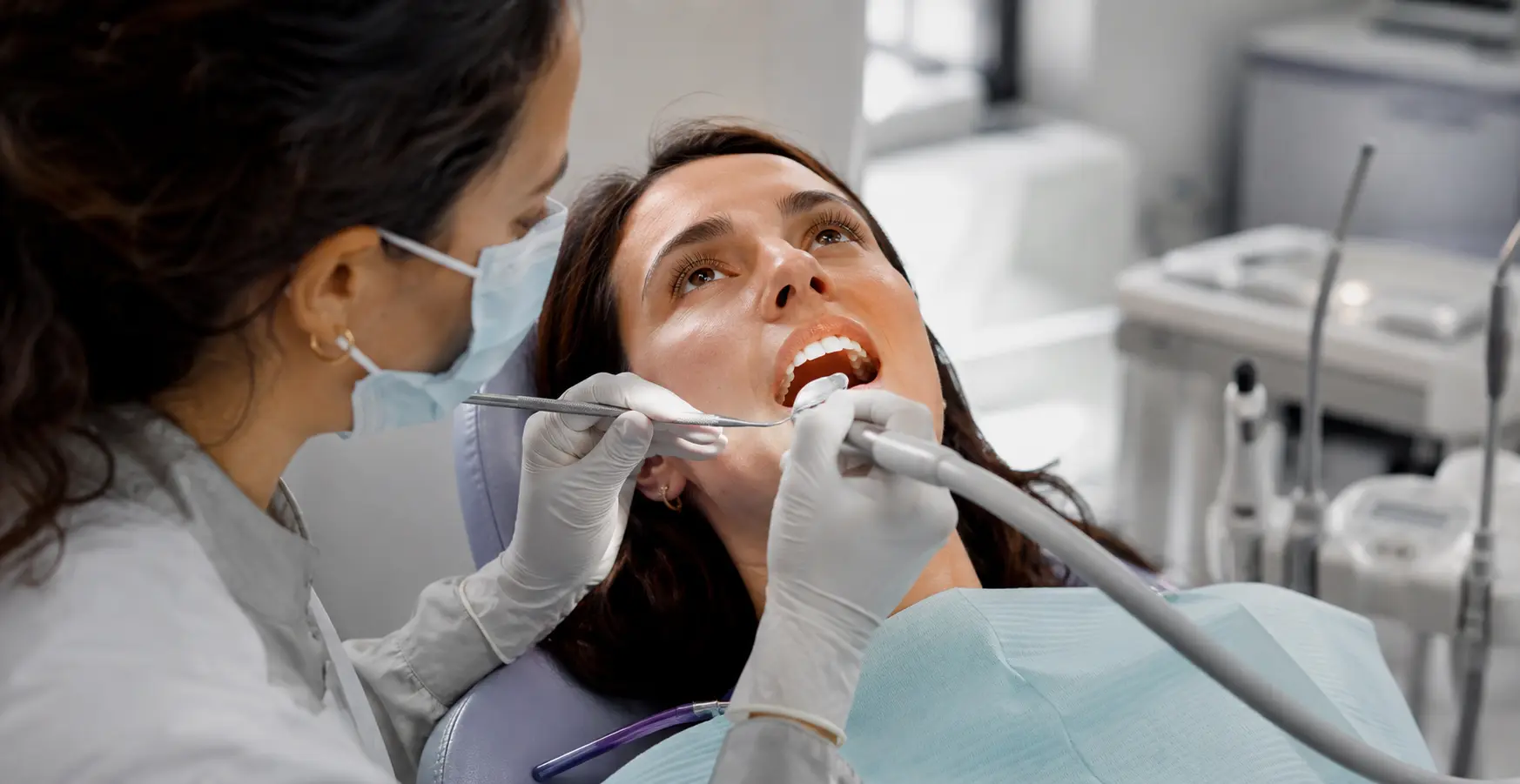
Tired of struggling with loose dentures, painful gaps, or the embarrassment of hiding your smile? Full mouth dental implants might be the permanent solution you’ve been searching for, but the real question is whether they actually stand the test of time.
Understanding full mouth dental implants
Full mouth dental implants represent a significant shift in how we approach severe tooth loss. Rather than relying on removable dentures that slip and shift throughout the day, this procedure involves surgically placing multiple titanium posts directly into your jawbone. Each post serves as an anchor for a custom-made artificial tooth or bridge. Think of it like replacing the roots of your natural teeth. For someone who has lived with missing teeth for years, this approach restores not just appearance but also the ability to eat, speak, and smile with confidence. The procedure typically requires several months of healing as your bone fuses with the implant posts, but once complete, you have a fixed solution that functions remarkably like your original teeth.
Implant materials and biocompatibility
The success of full mouth implants hinges largely on the material used, and titanium has emerged as the gold standard in implant dentistry. This metal possesses a unique property called biocompatibility, meaning your body recognizes it as safe rather than foreign. When titanium is placed in bone, something remarkable happens: the bone cells gradually grow around and fuse to the implant surface in a process called osseointegration. This biological bonding is what makes implants so durable and stable. Unlike dentures that sit on top of your gums and can shift with movement, osseointegrated implants become part of your skeletal structure. This fusion typically takes three to six months, during which the implant becomes increasingly secure. The strength of this bond is why implants can withstand the significant forces generated during chewing, sometimes exceeding 200 pounds of pressure per square inch.
Factors influencing longevity of full mouth implants
The lifespan of your full mouth implants depends on a constellation of factors working together. Your daily oral hygiene practices matter enormously; implants require the same brushing and flossing discipline as natural teeth, though they cannot develop cavities. Your overall health status plays a crucial role too. Conditions like diabetes or osteoporosis can affect bone quality and healing capacity. Bone density itself is critical; if your jawbone has deteriorated significantly from years of missing teeth, you may need bone grafting before implant placement. The skill and experience of your implant dentist cannot be overstated. A surgeon who understands precise placement angles, proper depth, and individual anatomy will set you up for decades of success. Lifestyle factors matter as well. Smoking dramatically increases implant failure risk by compromising blood flow and bone healing. Even your bite force and habits like teeth grinding can influence how long your implants last.
- Maintain excellent oral hygiene by brushing twice daily with a soft-bristled toothbrush and flossing around implants daily, treating them with the same care as natural teeth.
- Avoid smoking and limit alcohol consumption, as these habits significantly impair bone healing and increase infection risk during and after implant placement.
- Attend all scheduled dental appointments for professional cleanings and monitoring, allowing your dentist to catch any issues early before they compromise implant stability.
🔬 Science-backed benefits in 2 minuteschoose where to begin:
Implant success rates and complications
The scientific evidence is genuinely encouraging. Research consistently shows that full mouth dental implants achieve approximately 95 percent success rates over a 10-year period, with many implants functioning well beyond 20 years. This means that if you receive four implants, statistically three or four will still be performing excellently a decade later. However, understanding the remaining five percent helps you stay realistic. Complications can include peri-implantitis, an infection of the tissues surrounding the implant that resembles gum disease. Implant failure, where osseointegration never occurs or breaks down, happens in a small percentage of cases. Bone loss around the implant can occur if oral hygiene lapses or if the implant was placed in compromised bone. Nerve damage is rare but possible if the implant is placed too close to the inferior alveolar nerve. The good news is that most complications are manageable when caught early through regular professional monitoring.
Alternative options and considerations
While full mouth implants offer excellent longevity, they are not the only path forward. Implant-supported dentures combine the stability of implants with the affordability of dentures; typically four to six implants anchor a denture that no longer slides around. This option costs less than full mouth implants and still provides significant functional improvement over traditional dentures. Fixed bridges supported by implants offer another middle ground, providing a permanent solution without requiring an implant for every tooth. Traditional dentures, though requiring daily removal and adjustment, remain a valid option for those with budget constraints or medical conditions that make surgery inadvisable. Some seniors find that a combination approach works best: perhaps implants on the lower jaw where stability matters most, paired with a denture on the upper jaw. Your dental provider can help you weigh the longevity, cost, maintenance requirements, and functional benefits of each option based on your specific situation.
Future research and advancements in implant technology
The field of implant dentistry is advancing rapidly, with exciting developments on the horizon. Researchers are exploring new implant surface coatings that accelerate osseointegration, potentially reducing the healing time from months to weeks. Three-dimensional printing technology allows for increasingly precise implant placement and custom-designed prosthetics that fit your anatomy perfectly. Biomaterial research is yielding alternatives to titanium, including zirconia implants that some patients prefer for aesthetic or sensitivity reasons. Digital imaging and computer-guided surgery are improving placement accuracy, which directly correlates with longevity. Scientists are also investigating ways to regenerate bone tissue, which could help patients with severe bone loss become candidates for implants who previously were not. Staying informed about these advancements empowers you to have more sophisticated conversations with your dental provider and make decisions aligned with the latest evidence.
Full mouth dental implants represent a scientifically sound, long-lasting solution for severe tooth loss, with success rates around 95 percent over a decade. Your implants’ longevity depends significantly on your commitment to oral hygiene, overall health management, bone quality, and choosing an experienced implant specialist. While complications can occur, they are relatively uncommon and often manageable with proper monitoring. Whether implants are right for you depends on your individual circumstances, budget, and health status. Taking time to understand how implants work, what influences their success, and what alternatives exist puts you in the best position to make an informed decision about your oral health future.
Are full mouth dental implants permanent?
Full mouth dental implants are designed to be a permanent solution and can last 20 years or longer with proper care. However, the artificial crown or bridge attached to the implant may need replacement after 10 to 15 years due to normal wear. The implant post itself, once successfully integrated into your bone, typically remains stable for decades. Your commitment to oral hygiene, regular dental visits, and avoiding smoking significantly influence whether your implants achieve this long lifespan.
Can anyone get full mouth dental implants?
Not everyone is an ideal candidate for full mouth dental implants. Your dentist will evaluate bone density, overall health conditions like diabetes or heart disease, smoking status, and specific oral anatomy. If your jawbone has deteriorated significantly, you may need bone grafting first. Certain medications and health conditions can affect healing. A thorough evaluation by an experienced implant dentist can determine whether you are a suitable candidate or whether alternative options might serve you better.
Others also read:
Disclaimer: This article is for informational purposes only and is not a substitute for professional medical advice. Always consult a healthcare professional for personal guidance.
This article has been prepared and reviewed by the GlobalHealthBeacon editorial team and is based on current medical research and published scientific literature available in 2026. It provides structured, evidence-based information to support informed health decisions.
