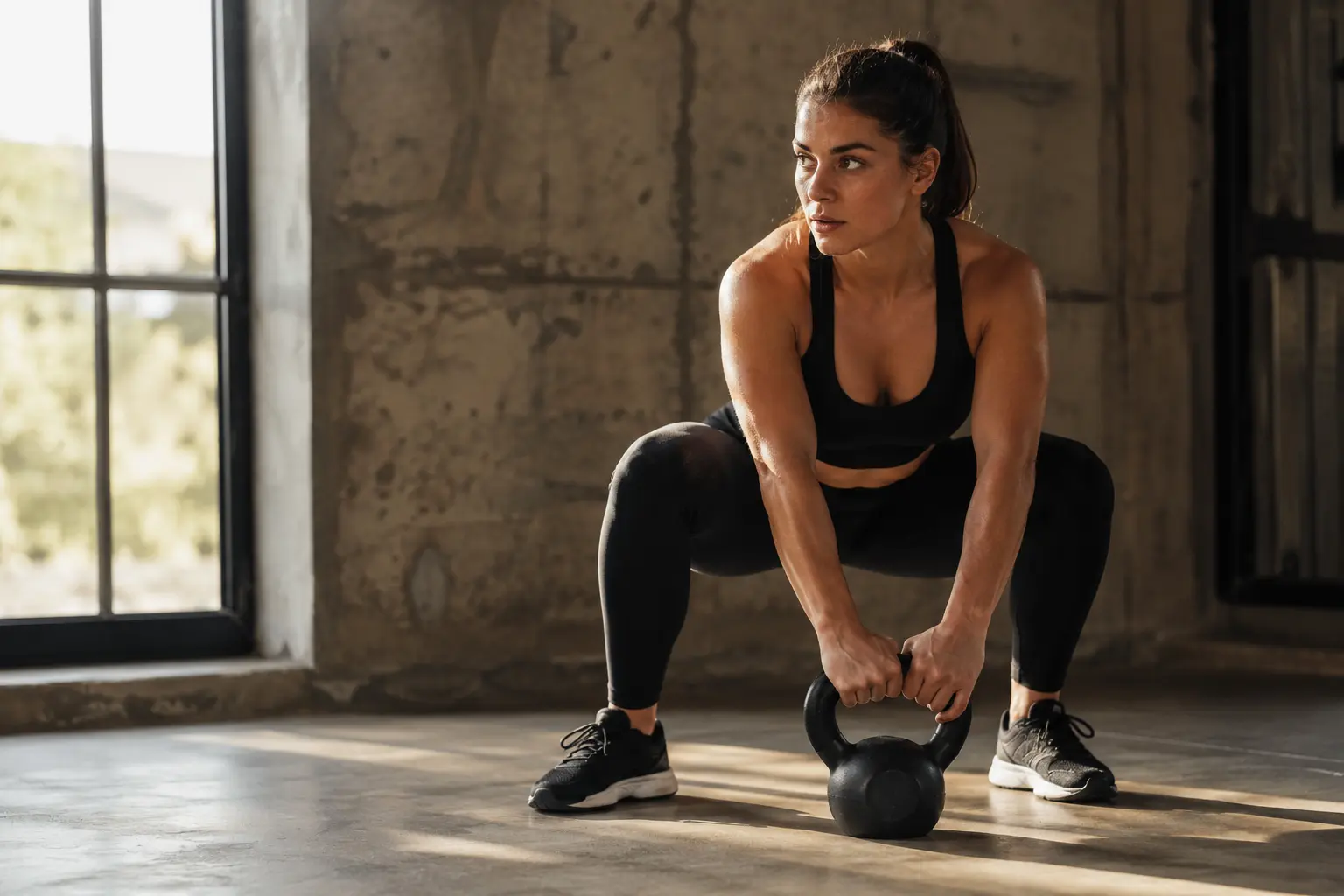
You’re tired of feeling weak during everyday tasks, struggling to lift groceries without strain, or noticing your body can’t move the way it used to, and functional strength training is exactly what changes that.
What is functional strength training?
Functional strength training represents a shift from isolating individual muscles to building strength that directly supports how your body actually moves in real life. Unlike traditional gym routines where you might spend an hour on a leg press machine, functional training mimics real-world activities. Imagine carrying a heavy suitcase up stairs, lifting a child, or pushing a stuck door open. These movements require multiple muscle groups working together in coordinated patterns. Functional strength training targets exactly this coordination. Your core stabilizes while your legs drive power, your shoulders support the load, and your grip maintains control. The neuromuscular system learns to recruit muscles efficiently, creating movement patterns that translate directly into daily life. This approach recognizes that strength isn’t just about how much weight you can lift in isolation, but how effectively your entire body works as an integrated system to accomplish real tasks.
The benefits of functional strength training
The advantages extend far beyond simply feeling stronger. When you train functionally, your body becomes more resilient and efficient at handling the demands of daily life. Consider a young adult who climbs stairs regularly. Traditional strength training might build quad muscles, but functional training ensures your knees, hips, ankles, and core all work together smoothly, reducing joint stress and injury risk. Research in exercise science shows that integrated movement patterns improve proprioception, which is your body’s awareness of itself in space. This heightened awareness translates to better balance, fewer falls, and reduced injury rates. Additionally, functional training often burns more calories than isolated exercises because it engages larger muscle groups simultaneously, creating greater metabolic demand. Many young adults report improved posture, reduced back pain, and enhanced athletic performance. The practical benefit is significant: you move through your day with less effort, less pain, and greater confidence in your body’s capabilities.
Key components of functional strength training
Effective functional training rests on several foundational principles working together. First, compound movements form the backbone. These are exercises that involve multiple joints and muscle groups simultaneously, like squats, deadlifts, rows, and push-ups. A squat, for example, engages your quadriceps, hamstrings, glutes, core, and even your upper back as stabilizers. Second, movement patterns matter more than individual muscles. Your body doesn’t think in terms of biceps or triceps; it thinks in terms of pushing, pulling, rotating, and stabilizing. Third, balance and proprioceptive training are essential. Standing on one leg while performing an upper body movement challenges your nervous system to maintain stability while executing a task, exactly like real life. Fourth, progressive challenge ensures continued adaptation. Your muscles and nervous system respond to demands placed on them, so gradually increasing difficulty keeps your body improving. Finally, proper form and technique prevent compensation patterns where weaker areas get bypassed, which leads to imbalances and injury.
- Start with bodyweight exercises like squats, lunges, and push-ups to master fundamental movement patterns and build a foundation of stability and control.
- Progress to using resistance bands, free weights, or stability balls to challenge your muscles further and increase the demand on your stabilizer muscles.
- Include balance and flexibility exercises to enhance functional movement patterns and improve your body’s ability to adapt to varied demands.
- Prioritize proper form and technique to prevent injuries and maximize results, even if it means using lighter weight or fewer repetitions.
🔬 Science-backed benefits in 2 minuteschoose where to begin:
Functional strength vs. traditional strength training
Understanding the distinction helps clarify why functional training appeals to many young adults seeking practical strength. Traditional strength training typically isolates specific muscles using machines or fixed movement patterns. A leg press machine, for instance, moves along a predetermined path, removing the need for stabilizer muscles to work. You might develop impressive quad strength, but your stabilizer muscles, balance, and coordination remain underdeveloped. Functional training, by contrast, uses free weights, bodyweight, and unstable surfaces that demand your entire neuromuscular system engage. A barbell squat requires your core to brace, your stabilizer muscles to balance the load, and your nervous system to coordinate the movement. The result is strength that transfers to real activities. Additionally, functional training often improves mobility and flexibility as byproducts, whereas traditional training sometimes creates muscle imbalances. For young adults juggling work, sports, and daily life, functional training offers efficiency. One well-executed functional movement provides benefits that might require three isolated exercises to achieve.
The science behind functional strength training
At the biological level, functional strength training triggers specific adaptations in your neuromuscular system. When you perform compound movements, your nervous system must recruit muscle fibers in precise sequences and timing. This neural adaptation often precedes actual muscle growth. Your brain learns the most efficient way to coordinate muscles for a given task, which is why beginners often experience strength gains without visible muscle growth. The cerebellum, your brain’s coordination center, becomes more refined at orchestrating movement patterns. Muscle fibers themselves adapt by developing stronger connections with the nervous system, improving force production and control. Additionally, functional training stimulates proprioceptors, sensory receptors in muscles and joints that provide feedback about body position and movement. This heightened proprioceptive awareness improves balance and coordination. Research shows that functional training also enhances intermuscular coordination, the ability of different muscles to work together efficiently. This is distinct from intramuscular coordination, which traditional training emphasizes. For young adults, these neural adaptations mean improved athletic performance, better injury prevention, and movement quality that lasts throughout life.
Maximizing your functional strength potential
Reaching your functional strength potential requires a strategic approach beyond just showing up to exercise. Progressive overload is fundamental. This means gradually increasing the challenge your body faces, whether through adding weight, increasing repetitions, reducing rest periods, or introducing instability. A young adult might start with bodyweight squats, progress to holding dumbbells, then advance to single-leg variations. Consistency matters more than intensity. Training two to three times weekly with proper form yields better results than sporadic intense sessions that risk injury. Recovery is equally critical. Your muscles don’t grow during workouts; they adapt during rest. Sleep, nutrition, and stress management directly impact your results. Movement quality trumps quantity. Five perfect push-ups develop more functional strength than twenty sloppy ones. Many young adults make the mistake of rushing progression or sacrificing form for heavier weight, which stalls progress and invites injury. Tracking your workouts helps identify patterns and ensure progressive challenge. Finally, varying exercises prevents adaptation plateaus and maintains engagement. Your body adapts to demands, so changing movement patterns keeps challenging it.
Functional strength training emphasizes enhancing overall muscle function and coordination to support daily movements effectively. By incorporating compound exercises, balance training, and proper form, individuals can improve their physical capabilities and reduce the risk of injuries. This science-based approach develops strength that translates directly into real-world performance and resilience.
Is functional strength training suitable for beginners?
Yes, functional strength training can be adapted to different fitness levels, making it suitable for beginners. It is essential to start with basic movements, focus on form, and gradually progress to more challenging exercises. Beginners should prioritize learning proper technique with bodyweight before adding external resistance.
How often should I engage in functional strength training?
Ideally, aim to include functional strength training sessions 2-3 times per week. Allow for adequate rest between sessions to support muscle recovery and adaptation, ensuring optimal results. Rest days are when your body actually builds strength, so recovery is as important as training itself.
Others also read:
Disclaimer: This article is for informational purposes only and is not a substitute for professional medical advice. Always consult a healthcare professional for personal guidance.
This article has been prepared and reviewed by the GlobalHealthBeacon editorial team and is based on current medical research and published scientific literature available in 2026. It provides structured, evidence-based information to support informed health decisions.
