You’re struggling to carry groceries up the stairs without feeling winded, struggling to stand up from the couch without your knees creaking, and struggling to feel strong in your own body, and that’s exactly where functional strength training steps in to change everything.
Benefits of functional strength training
Functional strength training is different from typical gym routines because it focuses on movements that actually matter in your real life. Instead of isolating single muscle groups on machines, you’re training your body to handle the stuff you do every single day. Think about picking up a heavy box from the floor, climbing stairs without holding the railing, or playing sports without feeling like your joints are about to give out. When you build functional strength, these everyday moments become easier and less exhausting. You’ll notice improved balance when you’re walking on uneven surfaces, better coordination when you’re multitasking, and increased flexibility that makes bending, reaching, and moving feel natural again. It’s not just about looking stronger, it’s about feeling capable and confident in your own body.
- Enhances muscle strength for everyday activities
- Improves balance and coordination
- Increases flexibility and range of motion
Types of functional strength exercises
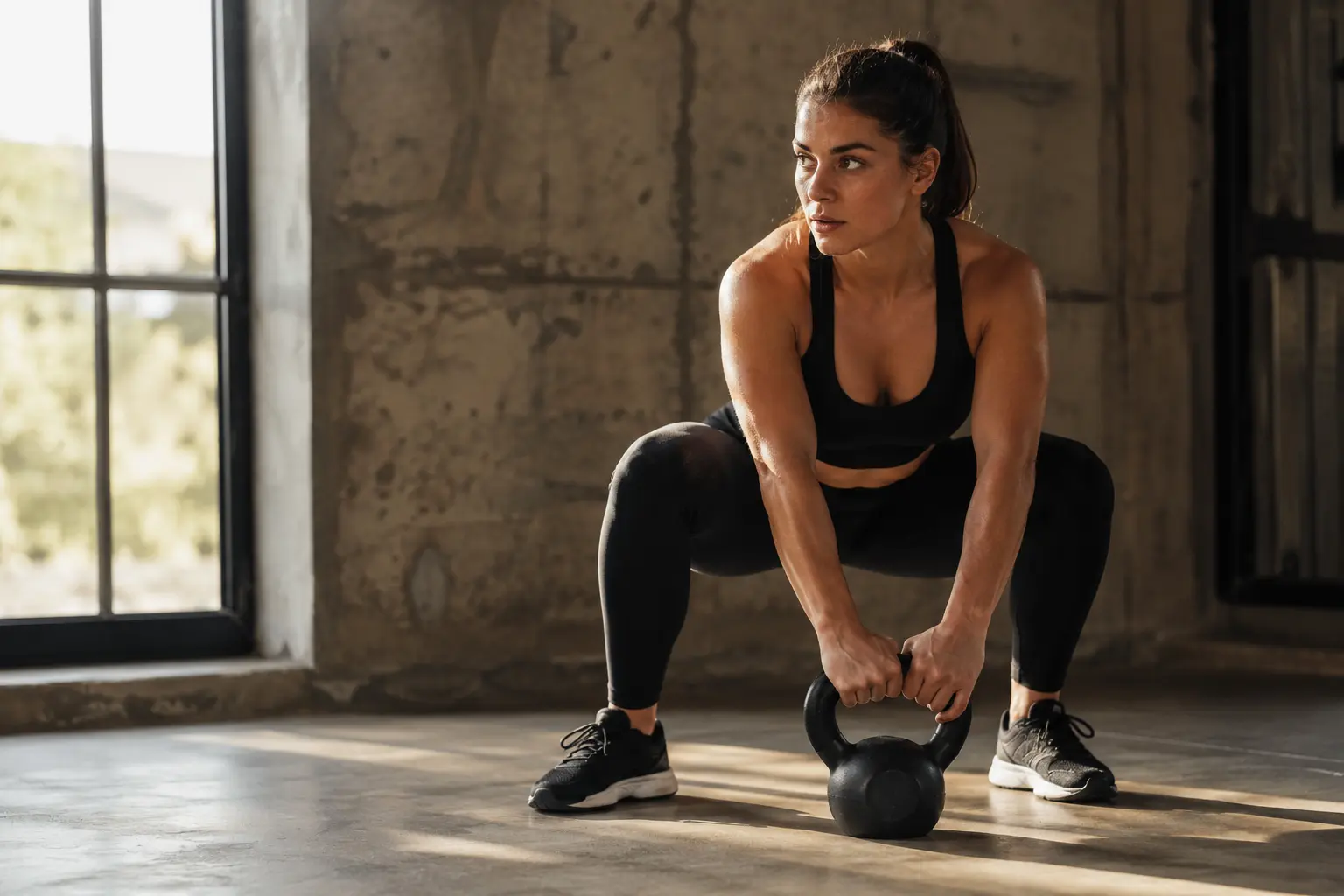
Functional strength exercises come in many forms, and the beauty is that you can start simple and build up. Squats mimic the movement of sitting down and standing up, so they directly translate to real life. Lunges strengthen your legs in a way that helps with walking, climbing, and changing direction quickly. Deadlifts teach your body how to lift heavy objects safely from the ground without straining your back. Push-ups build upper body strength that you use when pushing doors open or lifting yourself up. You can make these exercises more interesting and challenging by adding tools like stability balls, which force your core to work harder, resistance bands that provide variable resistance, or kettlebells that demand balance and control. The variety keeps your body from adapting too quickly and prevents boredom from creeping in.
💬 Ready to feel better in 2 minutes?choose where to begin:
Building a functional strength routine
Start by honestly looking at what makes you struggle in daily life. Maybe you hate how hard it is to get up from a low chair, or perhaps you can’t carry laundry baskets without feeling your arms shake. Once you identify those frustrations, choose exercises that directly address those movements. If stairs are your enemy, focus on step-ups and lunges. If carrying things is tough, work on deadlifts and farmer carries. Begin with movements you can do with good form, even if they feel easy at first. The goal isn’t to hurt yourself, it’s to build a foundation. Over weeks and months, gradually add more difficulty by using heavier weights, doing more repetitions, or trying more complex variations. This slow progression is what actually builds lasting strength without injuries derailing your progress.
The impact of functional strength training
When you stick with functional strength training consistently, something shifts in how you move through the world. Tasks that used to feel impossible become manageable. You notice you’re not as sore after a long day of activity. You feel more stable when you’re standing on a bus or walking on icy pavement. Over time, this compounds into a genuine confidence in your body’s abilities. You stop avoiding activities because you’re worried you’ll hurt yourself or feel exhausted. Instead, you find yourself saying yes to things, trying new activities, and feeling genuinely capable. This isn’t just physical change, it’s a psychological shift that improves your overall quality of life and how you see yourself.
Functional strength training offers numerous benefits, including improved muscle strength, balance, and flexibility. By incorporating diverse exercises and gradually intensifying your routine, you can experience profound changes in your daily function and overall well-being.
How often should I do functional strength training?
It is recommended to engage in functional strength training at least 2-3 times per week to see significant improvements in muscle strength and functional abilities.
Can anyone do functional strength training?
Functional strength training can be tailored to suit individuals of all fitness levels and ages. Beginners should start with simpler movements and gradually progress to more challenging exercises.
Others also read:
Disclaimer: This article is for informational purposes only and is not a substitute for professional medical advice. Always consult a healthcare professional for personal guidance.
This article presents an experience-based perspective and has been reviewed by the GlobalHealthBeacon editorial team in 2026. It provides structured, evidence-based information to support informed health decisions.
