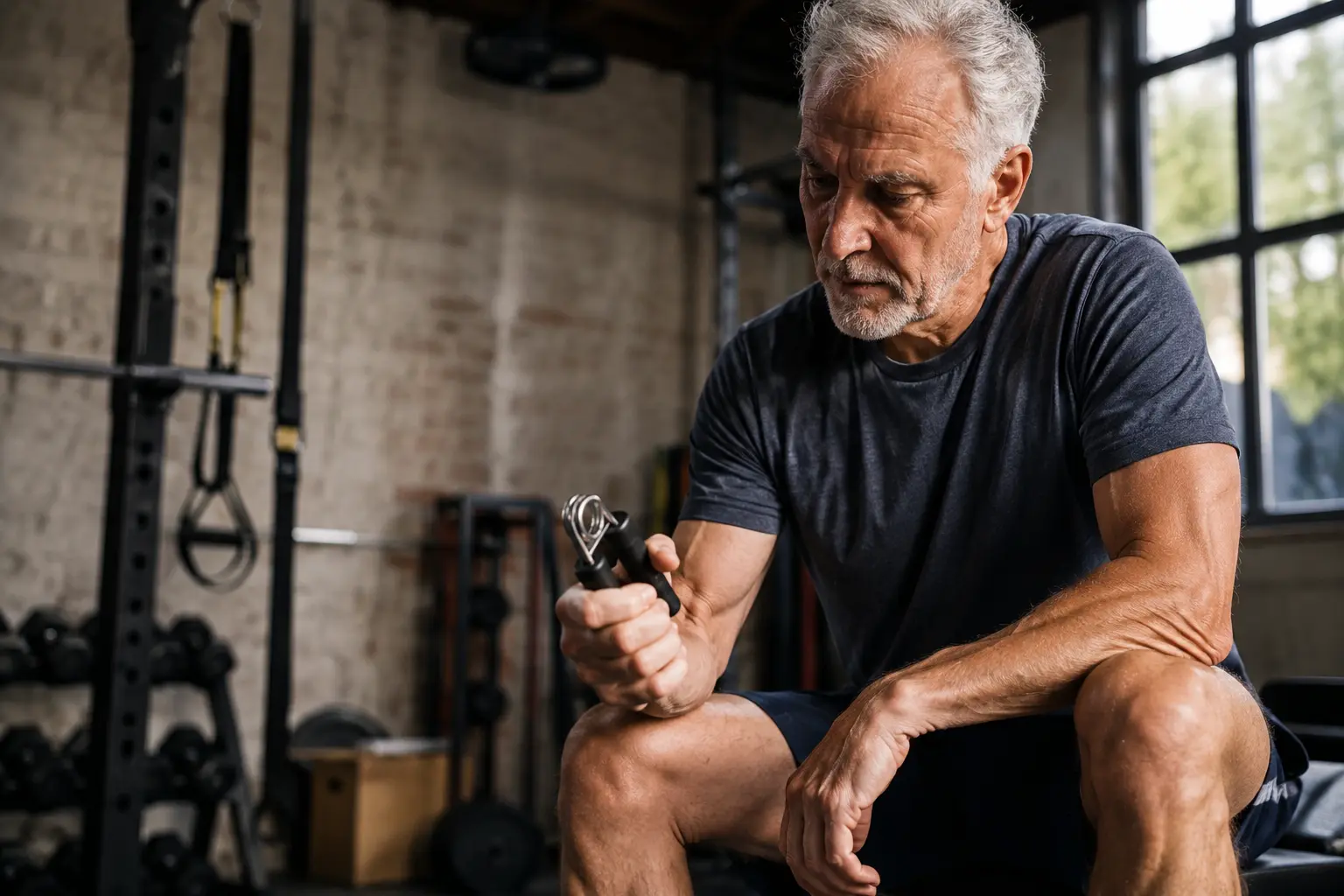
Your hands feel weaker every year, jars slip from your fingers, and you worry about what that means for your independence, but grip strength and longevity are directly connected and the good news is you can rebuild both starting today.
Understanding grip strength
Grip strength is far more than just the ability to open a jar or carry groceries without struggling. It serves as a measurable indicator of your overall muscle health and functional capacity. When researchers study aging populations, they consistently find that grip strength correlates with how long people live and how well they maintain independence. Think of it this way: your grip reflects the strength of your forearms, hands, and the neural connections that control them. A weak grip often signals that larger muscle groups throughout your body may also be declining. For seniors, this matters because grip strength predicts your ability to recover from falls, maintain balance, and perform daily activities without assistance. Studies show that seniors who maintain strong grip strength experience fewer hospitalizations and maintain better cognitive function as they age. The connection is real and measurable.
- Grip strength is a key indicator of overall muscle strength and function.
- Regular grip strength training can help reduce the risk of falls and fractures in seniors.
- Using hand grippers or squeezing a stress ball are simple exercises to boost grip strength.
Benefits of strong grip strength
Strong grip strength opens doors to independence and longevity that many seniors take for granted. When your hands are strong, you can carry your own groceries, play with grandchildren without worry, and maintain the physical autonomy that defines quality of life. Beyond daily tasks, research reveals that grip strength protects your cardiovascular system. People with weak grip strength face higher risks of heart disease and stroke, while those who maintain strength show better heart health markers. Your grip also reflects brain health. Seniors with strong grip strength demonstrate better memory, sharper thinking, and lower rates of cognitive decline. The mechanism is straightforward: strong muscles require good blood flow, which nourishes your brain and heart. Additionally, the act of gripping activates neural pathways that keep your brain engaged and responsive. Seniors who prioritize grip strength often report feeling more confident, less anxious about falling, and more capable of living life on their own terms.
📘 Fix your day in under 2 minuteschoose where to begin:
Building grip strength safely
Safety matters more than speed when rebuilding grip strength after years of decline. Start with exercises that feel manageable, not challenging. A simple stress ball squeezed gently for ten repetitions, three times daily, is a legitimate starting point. Gradually increase to hand grippers with adjustable resistance, moving up only when the current level feels easy. The key is consistency over intensity. Perform grip exercises two to three times weekly, allowing at least one rest day between sessions so your muscles can repair and grow stronger. Listen to your body carefully. Sharp pain is a signal to stop, while mild muscle fatigue is normal. Avoid the common mistake of pushing too hard too fast, which leads to strain and discourages continuation. Many seniors make the error of training grip strength in isolation. Instead, combine it with wrist curls using light dumbbells and forearm exercises. This balanced approach prevents injury and builds functional strength you can actually use. Track your progress by noting how many repetitions you complete or how long you can hold a squeeze.
Diet and hydration for strong grip
Your muscles cannot grow or function without proper fuel and water. Protein is essential because it provides the building blocks your muscles need to repair and strengthen after exercise. Aim for protein at each meal: eggs at breakfast, chicken or fish at lunch, and lean meat or legumes at dinner. Vitamins and minerals matter equally. Magnesium supports muscle function and recovery, found in nuts, seeds, and leafy greens. Vitamin D helps your body absorb calcium, which keeps bones strong and supports muscle contraction. Many seniors lack adequate vitamin D, especially those who spend limited time outdoors. Consider a simple blood test to check your levels. Hydration is often overlooked but critical. Dehydration reduces muscle performance and increases injury risk. Drink water consistently throughout the day, not just when thirsty. A practical guideline: drink enough so your urine remains pale yellow. Avoid excessive caffeine and alcohol, which dehydrate your body. Combine these nutritional foundations with your grip strength exercises and you create the biological environment where real strength gains happen.
Lifestyle habits to enhance grip strength
Grip strength exists within a larger ecosystem of health habits. Regular walking strengthens your entire body, improves circulation, and supports muscle maintenance. Aim for thirty minutes most days. Sleep is where muscle growth actually occurs. During deep sleep, your body releases growth hormone and repairs muscle tissue damaged during exercise. Seniors need seven to nine hours nightly. Without adequate sleep, your grip strength training yields minimal results. Stress management matters because chronic stress elevates cortisol, a hormone that breaks down muscle tissue. Try gentle practices like meditation, tai chi, or simply sitting quietly for ten minutes daily. Social engagement also supports strength. Seniors who exercise with others or participate in group activities maintain motivation better and show greater strength gains over time. Consider joining a senior fitness class or exercising with a friend. Finally, stay mentally engaged with your progress. Track your grip strength monthly using a hand dynamometer available at most physical therapy clinics. Seeing measurable improvement motivates continued effort and helps you recognize that your dedication is working.
Enhancing grip strength as you age is not only beneficial for daily tasks but also plays a vital role in maintaining overall health and longevity. By focusing on improving grip strength through exercise, nutrition, and lifestyle habits, seniors can promote a healthier and more active lifestyle.
What are some simple exercises to improve grip strength?
Some simple exercises to enhance grip strength include using hand grippers, squeezing a stress ball, or performing wrist curls with light dumbbells. These exercises can help strengthen your forearm and hand muscles effectively.
How often should seniors focus on grip strength training?
Seniors should aim to incorporate grip strength exercises into their regular workout routine at least 2-3 times per week. It’s important to allow for proper rest and recovery between sessions to prevent injury and promote muscle growth.
Others also read:
Disclaimer: This article is for informational purposes only and is not a substitute for professional medical advice. Always consult a healthcare professional for personal guidance.
This guide has been prepared and reviewed by the GlobalHealthBeacon editorial team and reflects current medical research as of 2026. It provides structured, evidence-based information to support informed health decisions.
