You reach for a jar, your fingers slip, and suddenly you’re reminded that your body isn’t what it used to be, and that terrifying moment makes you wonder if grip strength and longevity are actually connected or just another health myth.
The bigger picture of grip strength
Grip strength goes far beyond being able to open a jar or shake someone’s hand firmly. Think of it as your body’s report card on overall health. When researchers studied thousands of seniors over several years, they discovered something striking: people with weaker grips had significantly higher risks of heart disease, stroke, and earlier mortality. It’s like your hands are constantly sending signals about what’s happening inside. A strong grip reflects healthy muscles, dense bones, and a nervous system firing on all cylinders. Weak grip often signals muscle loss, bone deterioration, or underlying conditions brewing beneath the surface. Your grip strength is essentially a window into your physical reserve, your ability to bounce back from illness, and how well your body is aging at the cellular level.
- Grip strength is a key indicator of muscle mass, bone density, and overall physical function.
- Seniors with stronger grips tend to fare better in daily activities and have lower risks of chronic diseases.
- Regular exercises like hand squeezes, wrist curls, and gripping exercises can boost grip strength and overall health.
Grip strength and daily functionality
Picture yourself at the grocery store, struggling to lift bags into your car while younger shoppers breeze past. Or imagine fumbling with a medication bottle at night, unable to twist the cap open, feeling helpless and frustrated. These aren’t small inconveniences; they’re wake-up calls. Weak grip strength sneaks into every corner of daily life. You can’t carry laundry upstairs without stopping to rest. You hesitate before picking up your grandchild. You avoid opening heavy doors or turning stubborn doorknobs. Beyond the immediate frustration, weak grip increases your risk of falls and injuries because you can’t catch yourself or hold onto railings effectively. It chips away at independence piece by piece. But here’s the hopeful part: improving grip strength directly translates to reclaiming these moments. Stronger hands mean carrying groceries, opening jars, and maintaining the small freedoms that make life feel like yours again.
💬 Ready to feel better in 2 minutes?choose where to begin:
The emotional toll of weak grip
The physical struggle is only half the story. There’s a psychological weight that comes with feeling your body betray you. When you can’t grip something firmly, it triggers something deeper than frustration. Many seniors describe a creeping sense of losing control, of becoming dependent on others for tasks they once handled effortlessly. That feeling of needing help opening a bottle or carrying a bag can erode confidence faster than you’d expect. It feeds into anxiety about aging, about becoming a burden, about losing autonomy. Some people withdraw from social activities because they’re embarrassed about their weakness. Others feel a quiet desperation, wondering if this is just how things will be from now on. The good news is that addressing grip strength isn’t just about physical improvement; it’s about reclaiming dignity and agency. When you strengthen your hands, you’re not just gaining muscle. You’re rebuilding confidence, reducing anxiety, and proving to yourself that you can still influence your own health and independence.
Unlocking a healthier future
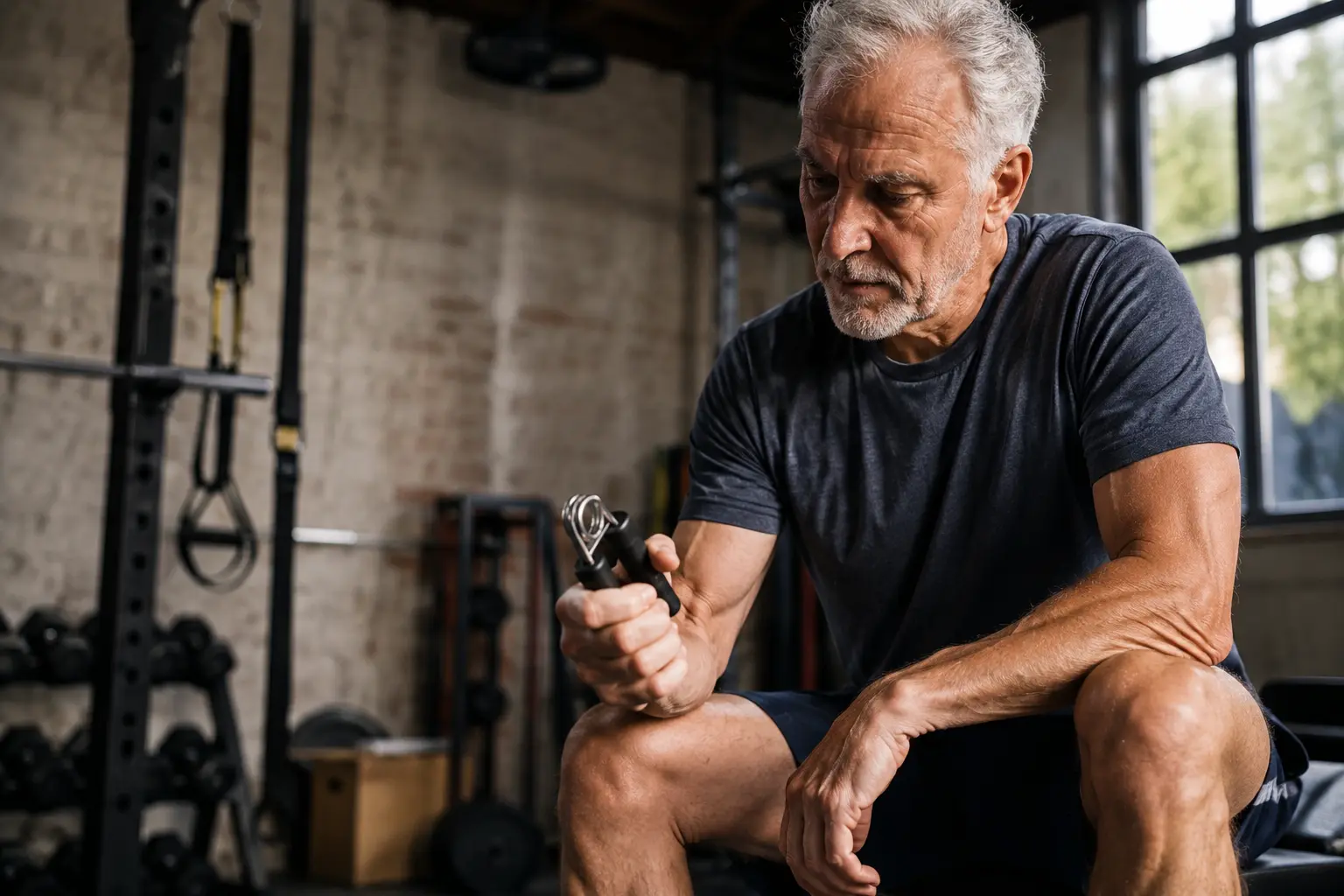
Starting today doesn’t require a gym membership or complicated equipment. A simple hand gripper, a stress ball, or even squeezing a towel can begin the transformation. Consistency matters more than intensity. Spending just five to ten minutes daily on grip exercises creates measurable improvements within weeks. You’ll notice you can carry grocery bags without switching hands. Jars become easier to open. You shake hands with genuine strength again. Beyond these immediate wins, you’re investing in longevity itself. Stronger grip correlates with better cardiovascular health, stronger bones, and a lower risk of falls and fractures. You’re essentially building a buffer against the frailty that often comes with aging. The beauty of grip strength work is that it’s accessible, affordable, and produces real results you can feel immediately. Every squeeze is a small act of defiance against decline, a commitment to staying vibrant and independent for as long as possible.
Grip strength serves as a crucial indicator of overall health and longevity in seniors, impacting daily functionality and emotional well-being. Strengthening your grip through simple exercises can significantly improve your quality of life and enhance your resilience for the future.
Can weak grip strength affect my overall health?
Yes, weak grip strength is linked to increased mortality risk and can indicate underlying health issues in seniors. It’s crucial to address and improve grip strength for better overall well-being.
What exercises can help boost grip strength?
Exercises like hand squeezes, wrist curls, and gripping exercises are effective in enhancing grip strength. Regular practice of these exercises can lead to noticeable improvements in grip and overall physical function.
Others also read:
Disclaimer: This article is for informational purposes only and is not a substitute for professional medical advice. Always consult a healthcare professional for personal guidance.
This article presents an experience-based perspective and has been reviewed by the GlobalHealthBeacon editorial team in 2026. It provides structured, evidence-based information to support informed health decisions.
