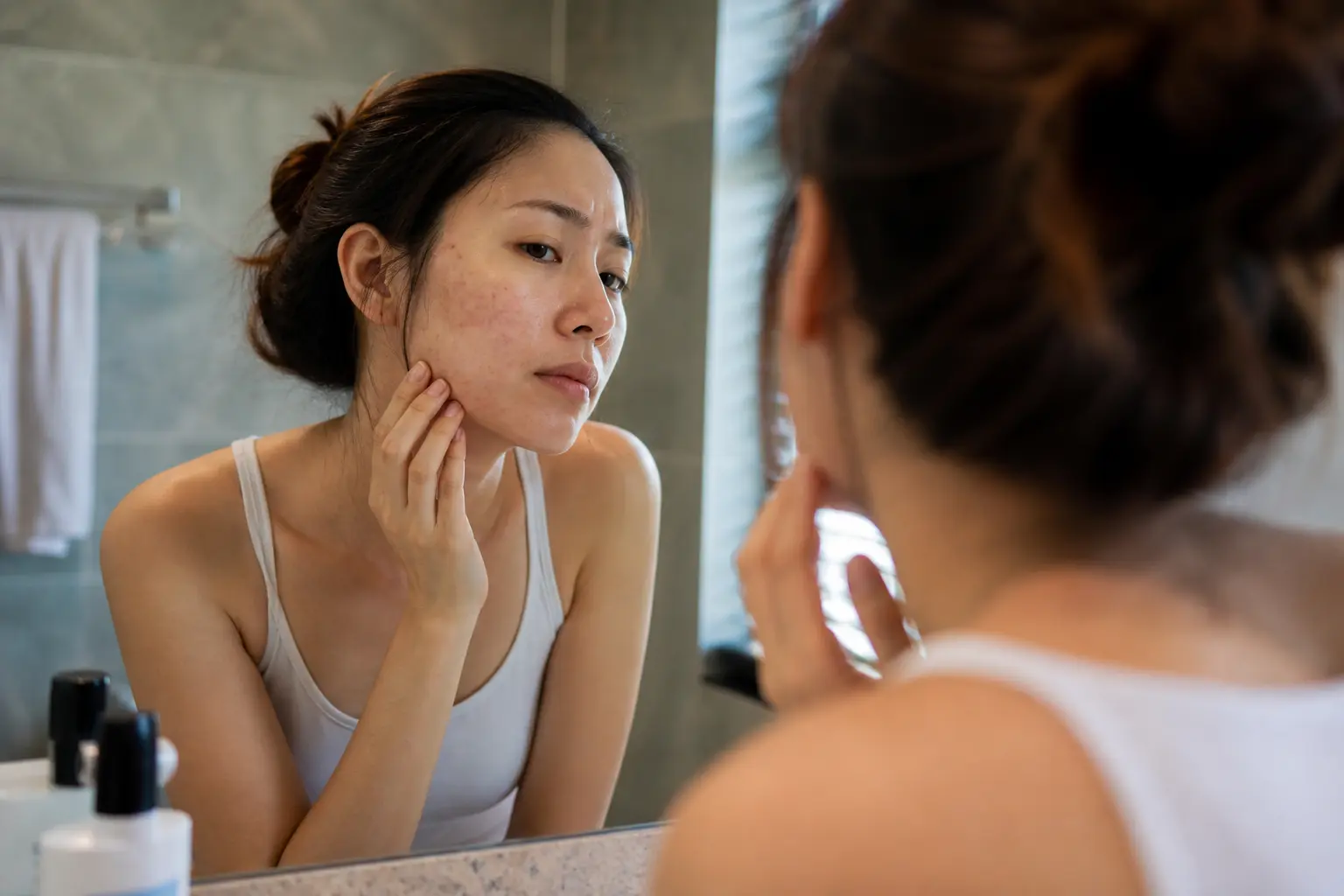
Your skin is breaking out, feels thin and papery, or just looks tired all the time, and you have no idea why your dermatologist keeps talking about your gut health skin connection like it should be obvious.
Understanding the gut-skin connection
Your gut and skin are in constant conversation through what scientists call the gut-skin axis, a two-way communication highway that most people never think about until something goes wrong. Think of it this way: when your gut bacteria fall out of balance, inflammatory signals travel through your bloodstream and show up on your face as redness, sensitivity, or that stubborn acne that won’t quit. A 65-year-old woman named Margaret noticed her eczema flare-ups always seemed to happen after she ate processed foods that disrupted her gut flora. Once she understood this connection, she started paying attention to what fed her good bacteria instead of just treating the skin symptoms. The gut microbiome acts like a security team for your entire body, regulating inflammation that directly impacts skin elasticity, collagen production, and how quickly visible aging appears. When beneficial bacteria are thriving, they help your body absorb critical nutrients like vitamins A, C, and zinc that keep skin firm and glowing. Conversely, dysbiosis (an imbalance of gut bacteria) can trigger a cascade of inflammatory responses that accelerate skin aging, worsen conditions like rosacea and acne, and compromise your skin barrier function.
- The microbiome of your gut plays a vital role in regulating inflammation, which can affect the appearance of your skin.
- A healthy gut supports proper absorption of essential nutrients, such as vitamins A and C, which are essential for skin health.
- Imbalances in gut bacteria can lead to skin conditions like acne, eczema, and premature aging.
Nurturing your gut for healthy skin
Building a thriving gut microbiome is not complicated, but it does require intentional choices over time. Start by introducing probiotic-rich foods like plain yogurt, kefir, sauerkraut, and kimchi into your daily meals. These foods contain live beneficial bacteria that colonize your gut and strengthen your microbial community. Pair them with prebiotic foods like garlic, onions, bananas, asparagus, and oats that feed the good bacteria you already have, creating a synergistic effect. A practical approach is to add one probiotic food to lunch and one prebiotic food to dinner, then gradually increase as your digestive system adapts. Many seniors find that starting slowly prevents bloating or digestive discomfort. Avoid the common mistake of expecting overnight results; gut healing typically takes 4 to 8 weeks of consistent dietary changes before you notice clearer, more radiant skin. Some people also benefit from a high-quality probiotic supplement, though food sources are generally more effective because they provide additional nutrients and fiber. Keep a simple food journal to track which foods make your skin look better and which trigger breakouts or sensitivity.
📘 Fix your day in under 2 minuteschoose where to begin:
Stress management for skin health
Chronic stress is a silent saboteur of both gut health and skin appearance, triggering a stress hormone cascade that damages your microbiome and accelerates aging. When you experience prolonged stress, your cortisol levels spike, which increases intestinal permeability (sometimes called leaky gut), allowing harmful bacteria and toxins to cross into your bloodstream. This inflammatory response then manifests on your skin as breakouts, dullness, or exacerbated wrinkles. A 70-year-old retired teacher discovered that her persistent rosacea flare-ups coincided with stressful family situations, and once she committed to a daily 15-minute meditation practice, her skin improved dramatically within weeks. You do not need to overhaul your entire life; even small stress-reduction practices yield measurable results. Try yoga twice a week, practice deep breathing exercises for five minutes each morning, take mindful walks in nature, or explore guided meditation apps designed for seniors. Some people find journaling therapeutic, while others prefer tai chi or gentle stretching. The key is consistency and finding what genuinely feels calming to you, not what you think you should be doing. Your gut bacteria respond positively to reduced stress, and your skin will reflect that inner calm within weeks.
Hydration and skin aging
Water is the foundation of skin health at any age, but it becomes even more critical as you grow older because your body’s natural water retention decreases. Proper hydration supports nutrient transport to skin cells, helps flush toxins through your kidneys and digestive system, and maintains skin elasticity and plumpness. Most seniors need at least eight glasses of water daily, though individual needs vary based on activity level, climate, and overall health. A practical strategy is to drink a glass of water with each meal and between meals, or keep a water bottle visible as a constant reminder. Many older adults struggle with thirst cues that naturally diminish with age, so you may need to drink before you feel thirsty. Avoid the mistake of replacing water with caffeinated beverages like coffee or tea, which can have a mild diuretic effect. If plain water feels boring, infuse it with lemon, cucumber, or berries for flavor without added sugar. Proper hydration also supports your gut function and helps beneficial bacteria thrive, creating a positive feedback loop that benefits both your digestion and your skin’s appearance.
Consulting a healthcare professional
While dietary and lifestyle changes work well for many people, persistent skin issues warrant professional evaluation to rule out underlying conditions or allergies. A dermatologist can assess whether your skin problems stem from gut dysbiosis, food sensitivities, hormonal changes, or other factors specific to your health history. Some seniors benefit from specialized testing like stool analysis to identify specific bacterial imbalances, or elimination diets guided by a registered dietitian to pinpoint trigger foods. Your primary care doctor can also screen for conditions like celiac disease or irritable bowel syndrome that directly impact both gut health and skin appearance. If you have tried dietary changes for eight weeks without improvement, or if you experience severe skin symptoms alongside digestive issues, do not wait to seek professional guidance. A functional medicine practitioner or integrative dermatologist can provide personalized protocols tailored to your unique microbiome and skin needs. Remember that your healthcare team is there to support your journey toward healthier skin and better overall wellness, and combining professional guidance with your own consistent efforts yields the best results.
Understanding the gut-skin connection and nurturing a healthy gut microbiome is essential for promoting skin vitality and combating the effects of aging naturally. Stress management, hydration, and seeking professional guidance play key roles in maintaining optimal gut and skin health.
Can gut health impact the appearance of my skin as I age?
Yes, imbalances in gut bacteria can lead to skin conditions and premature aging, highlighting the importance of maintaining a healthy gut microbiome for skin health.
What are some practical steps to support gut health for better skin as a senior?
Including probiotic and prebiotic foods in your diet, managing stress levels, staying hydrated, and consulting healthcare professionals for personalized advice are key steps to nurture gut health and promote healthy skin as you age.
Others also read:
Disclaimer: This article is for informational purposes only and is not a substitute for professional medical advice. Always consult a healthcare professional for personal guidance.
This guide has been prepared and reviewed by the GlobalHealthBeacon editorial team and reflects current medical research as of 2026. It provides structured, evidence-based information to support informed health decisions.
