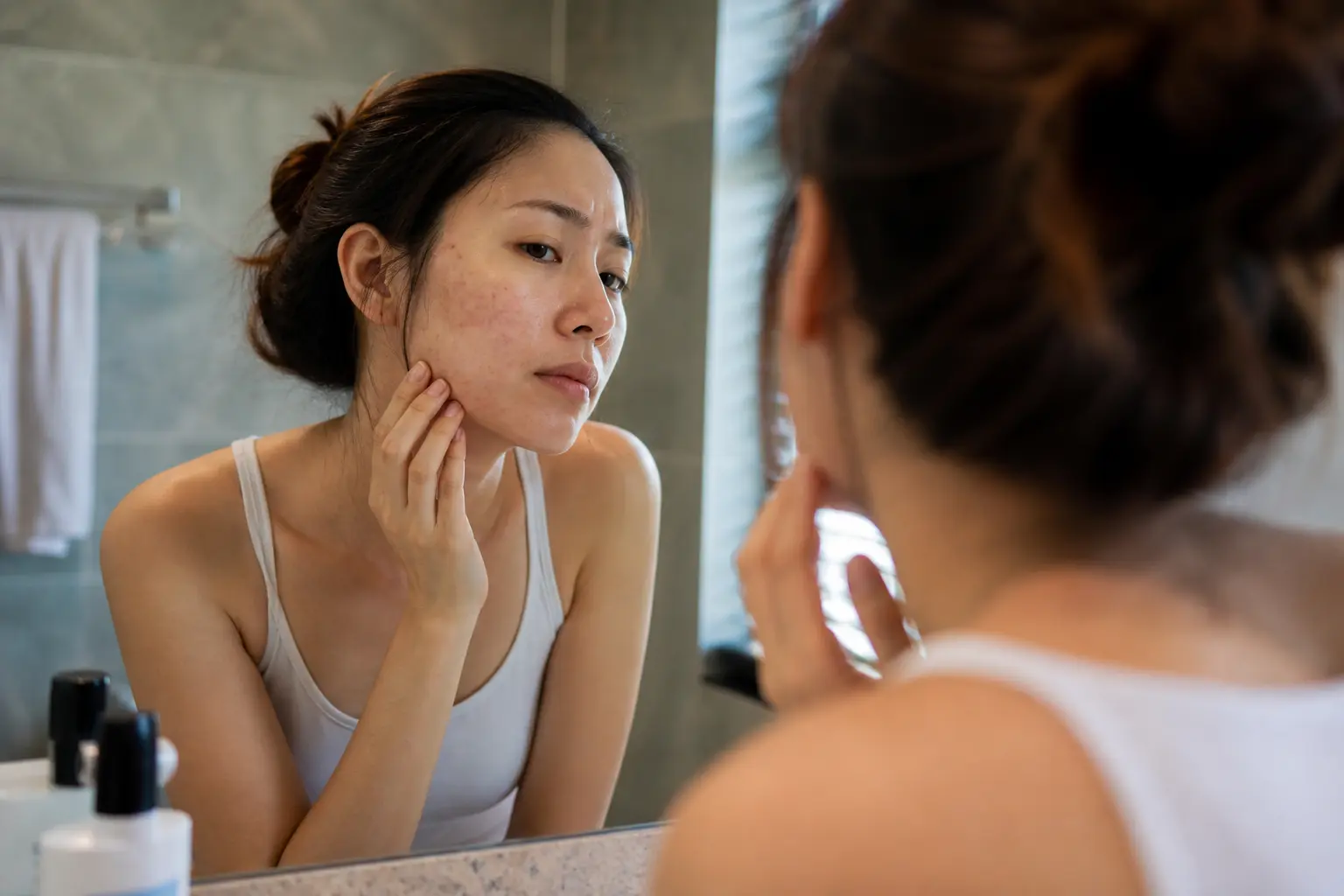
Your skin feels dull, wrinkles seem deeper than last year, and nothing topical seems to fix it because the real problem is happening inside your gut, and understanding the gut health skin connection might finally explain why your skin has been aging faster than you expected.
Understanding the gut microbiome
Your digestive system is home to roughly 37 trillion bacteria, fungi, and other microorganisms that collectively form what scientists call the gut microbiome. Think of it as an entire ecosystem living within you, working 24/7 to break down food, produce essential vitamins, and communicate with virtually every system in your body. These microscopic residents aren’t invaders; they’re partners in your health. They synthesize B vitamins your body cannot make on its own, produce short-chain fatty acids that fuel your gut lining, and generate compounds that influence everything from your immune response to your mood. The gut microbiome interacts with your skin through what researchers call the gut-skin axis, a two-way communication network involving your nervous system, immune system, and hormonal pathways. When your gut bacteria are thriving and diverse, they send beneficial signals throughout your body. When they’re imbalanced or depleted, those signals become distorted, and your skin often shows the consequences first.
Impact of gut health on skin aging
The connection between your gut and your skin’s appearance is more direct than most people realize. A robust, balanced gut microbiome supports the production of anti-inflammatory compounds and strengthens your intestinal barrier, preventing harmful substances from entering your bloodstream. When this barrier weakens, a condition researchers call leaky gut, inflammatory molecules escape into circulation and trigger skin inflammation, accelerated collagen breakdown, and visible aging signs. You might notice fine lines appearing more prominently, skin texture becoming rough or dull, or persistent dryness that moisturizers alone cannot fix. Conversely, seniors with well-maintained gut health often report clearer complexions, improved skin elasticity, and a more radiant appearance. The aging process itself involves cumulative oxidative stress and inflammation, and your gut bacteria play a crucial role in managing both. A healthy microbiome produces antioxidants and anti-inflammatory metabolites that circulate systemically, protecting skin cells from damage. Research increasingly shows that premature aging signs like wrinkles, age spots, and loss of firmness correlate with microbial imbalance, suggesting that nurturing your gut may be one of the most underrated anti-aging strategies available.
Mechanisms of action
The gut-skin axis operates through several interconnected biological pathways that explain why your gut health directly influences your skin’s appearance and aging rate. First, your gut bacteria produce short-chain fatty acids, particularly butyrate, which strengthen the intestinal barrier and reduce systemic inflammation. When this barrier is compromised, lipopolysaccharides and other bacterial endotoxins leak into your bloodstream, triggering immune activation and skin inflammation. Second, your microbiome synthesizes neurotransmitters like serotonin and GABA, which regulate stress responses; chronic stress accelerates skin aging through cortisol elevation and collagen degradation. Third, beneficial bacteria produce metabolites that enhance nutrient absorption, ensuring your skin receives adequate zinc, iron, and B vitamins essential for collagen synthesis and cellular repair. Fourth, your gut microbiota influences estrogen metabolism through the estrobolome, affecting skin hydration and elasticity, particularly important for postmenopausal women experiencing hormonal shifts. Finally, dysbiosis triggers a cascade of pro-inflammatory cytokines that impair skin barrier function and accelerate visible aging. Understanding these mechanisms helps explain why topical treatments alone often fail; lasting skin improvement requires addressing the root cause in your gut.
- Maintain a balanced diet rich in fiber and fermented foods like sauerkraut, kimchi, and unsweetened yogurt to feed beneficial bacteria and promote microbial diversity.
- Stay hydrated to support digestion, nutrient absorption, and skin hydration from the inside out, aiming for consistent water intake throughout the day.
- Manage stress levels through relaxation techniques, mindfulness, or gentle movement like walking or tai chi, since chronic stress directly damages your gut barrier and accelerates skin aging.
🔬 Science-backed benefits in 2 minuteschoose where to begin:
Protective role of probiotics
Probiotics are live beneficial bacteria that can help restore and maintain a healthy gut microbiome, and for many seniors, they represent a practical tool for supporting skin health from within. When you consume probiotics through fermented foods like yogurt, kefir, miso, or tempeh, or through supplements, you’re introducing strains of bacteria that compete with harmful microorganisms, produce protective metabolites, and strengthen your intestinal barrier. Common beneficial strains include Lactobacillus and Bifidobacterium species, which have been studied for their ability to reduce inflammation, improve skin barrier function, and support collagen production. A 12-week study of women taking a specific probiotic strain showed measurable improvements in skin elasticity and hydration compared to placebo. However, not all probiotics are equally effective for skin health; the strain, dose, and duration matter significantly. Some people notice improvements within weeks, while others require months of consistent use. The key is choosing high-quality products with verified strains and adequate colony-forming units (CFUs), and giving your body time to respond. Combining probiotics with prebiotic foods like garlic, onions, asparagus, and bananas creates an optimal environment for beneficial bacteria to flourish, amplifying the skin-supporting effects.
Skin conditions linked to gut issues
Dermatologists increasingly recognize that certain chronic skin conditions originate in the gut rather than being purely dermatological problems. Acne, for instance, involves not just surface bacteria but systemic inflammation often rooted in dysbiosis; seniors with adult acne frequently discover it improves dramatically once gut health is restored. Eczema and atopic dermatitis are strongly associated with intestinal barrier dysfunction and altered microbial composition; the itching and inflammation that characterize these conditions often reflect deeper gut dysbiosis. Rosacea, characterized by facial flushing and persistent redness, has been linked to small intestinal bacterial overgrowth (SIBO) and dysbiosis in multiple studies. Psoriasis, another common concern for aging skin, shows clear correlations with reduced microbial diversity and increased intestinal permeability. Even age spots and uneven skin tone can reflect chronic inflammatory states driven by gut imbalance. The encouraging news is that addressing gut health through dietary changes, probiotics, and lifestyle modifications has helped many seniors see meaningful improvements in these conditions. Rather than relying solely on topical treatments or medications, a comprehensive approach targeting the gut-skin axis often yields better, more lasting results. This is why functional medicine practitioners increasingly recommend gut assessment and restoration as a first step in treating stubborn skin issues.
Enhancing skin health through gut care
Supporting your skin’s vitality and combating premature aging ultimately requires a commitment to nurturing your gut microbiome as a foundational health practice. The scientific evidence is compelling: your gut bacteria influence collagen production, regulate inflammation, synthesize essential nutrients, manage stress hormones, and control the aging process at a cellular level. For seniors seeking to maintain youthful, radiant skin, this means shifting perspective from external treatments alone to a holistic approach that honors the gut-skin connection. Start by evaluating your current diet; are you consuming enough fiber, fermented foods, and plant diversity to support microbial diversity? Consider your stress management practices; chronic stress is a silent skin ager that works through your gut. Assess your sleep quality, as poor sleep disrupts circadian rhythms that regulate both gut health and skin repair. Think about antibiotic use and medications that may have depleted your microbiome years ago; restoring balance takes intentional effort. Many seniors report that once they prioritize gut health through dietary improvements, stress reduction, and targeted supplementation, their skin transforms in ways that expensive creams never achieved. The investment in gut care pays dividends not just for your skin, but for your entire health trajectory, making it one of the most worthwhile anti-aging strategies available.
The gut-skin axis represents a profound biological connection where your gut bacteria directly influence your skin’s appearance, elasticity, and aging rate. By understanding how dysbiosis contributes to wrinkles, dullness, and age-related skin conditions, and how a balanced microbiome supports collagen production and reduces inflammation, you gain actionable insight into why topical treatments alone often fall short. Nurturing your gut microbiome through a fiber-rich diet, fermented foods, probiotics, stress management, and adequate hydration provides a scientifically-grounded pathway to supporting your skin’s vitality and combating premature aging from the inside out.
Can gut health affect the appearance of my skin?
Yes, extensive research demonstrates that gut dysbiosis directly contributes to visible aging signs, inflammation, and skin conditions. An imbalanced microbiome impairs your intestinal barrier, allowing inflammatory molecules to circulate systemically and damage skin cells. Conversely, a healthy gut microbiome produces anti-inflammatory compounds, strengthens your skin barrier, and supports collagen synthesis. Many seniors report significant improvements in skin texture, radiance, and elasticity once they restore gut balance through diet and probiotics.
Are probiotics beneficial for skin health?
Probiotics can play a meaningful role in supporting skin health by restoring beneficial bacteria, strengthening intestinal barrier function, and reducing systemic inflammation. Specific strains like Lactobacillus and Bifidobacterium have been studied for their ability to improve skin hydration, elasticity, and clarity. Consuming probiotic-rich foods like yogurt, kefir, and fermented vegetables, or taking quality supplements, may help improve skin conditions associated with dysbiosis. Results vary by individual and typically require consistent use over several weeks to months.
Others also read:
Disclaimer: This article is for informational purposes only and is not a substitute for professional medical advice. Always consult a healthcare professional for personal guidance.
This article has been prepared and reviewed by the GlobalHealthBeacon editorial team and is based on current medical research and published scientific literature available in 2026. It provides structured, evidence-based information to support informed health decisions.
