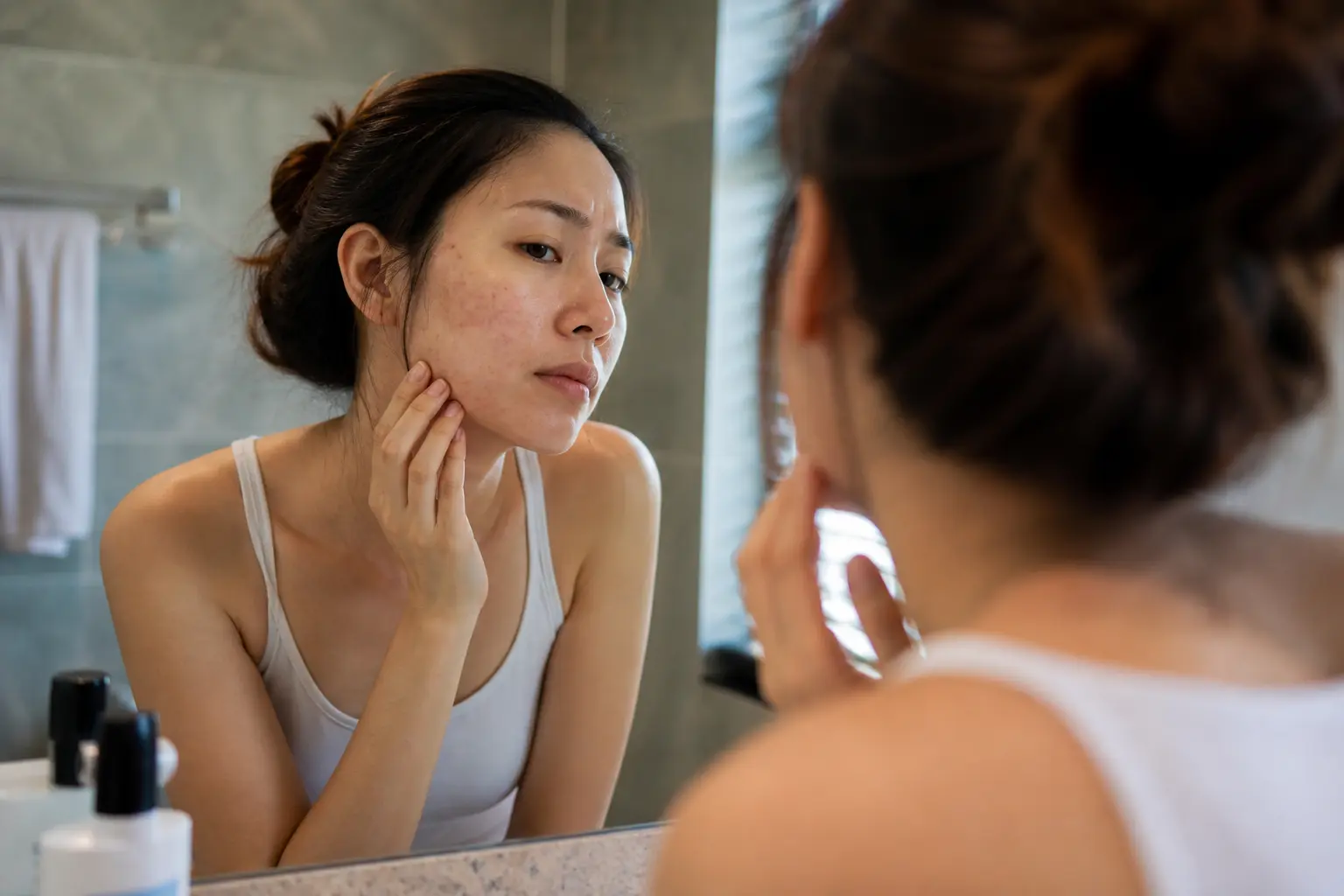
You wake up with another breakout, your skin feels inflamed, and nothing topical seems to fix it because the real problem is happening inside your gut, not on your face, and understanding this gut health skin connection might finally be the answer you’ve been searching for.
The microbiome: your internal ecosystem
Your gut is home to trillions of microorganisms, bacteria, fungi, and viruses that form what scientists call the microbiome. Think of it as an entire city living inside your digestive tract, each organism playing a specific role in keeping the system functioning. These microbial communities influence how your body breaks down food, absorbs nutrients, and produces essential compounds like short-chain fatty acids and neurotransmitters. For women specifically, hormonal fluctuations throughout the menstrual cycle can shift the composition of this microbial landscape, affecting everything from digestion to immune function. When your microbiome is balanced and diverse, it acts as a protective barrier against harmful pathogens and supports the production of beneficial metabolites. This internal ecosystem doesn’t work in isolation; it communicates constantly with your immune system, your nervous system, and even your skin through multiple biological pathways.
Gut health’s impact on skin: the science behind it
The connection between your gut and skin operates through several interconnected mechanisms that scientists are still uncovering. When the balance of your gut microbiome shifts, a condition called dysbiosis, harmful bacteria can proliferate and trigger intestinal inflammation. This inflammation increases intestinal permeability, sometimes called leaky gut, allowing bacterial lipopolysaccharides and other inflammatory molecules to enter the bloodstream. Your immune system responds to these invaders by ramping up inflammation throughout your body, including in your skin. Additionally, dysbiosis can impair the production of short-chain fatty acids like butyrate, which normally help maintain the integrity of your intestinal barrier and regulate immune responses. Women may notice this manifesting as acne flare-ups, eczema patches, rosacea intensification, or accelerated signs of aging like fine lines and loss of elasticity. The inflammatory cascade triggered by gut imbalance also increases oxidative stress, damaging skin cells and collagen. Research has shown that women with conditions like polycystic ovary syndrome often have altered microbiomes that correlate with both hormonal imbalances and persistent acne.
Maintaining gut-skin harmony
Creating balance in your microbiome requires a multifaceted approach that addresses diet, hydration, stress, and sleep quality. Start by building a diverse diet that includes at least 30 different plant-based foods per week, as diversity directly correlates with microbiome richness. Fiber acts as fuel for beneficial bacteria, helping them thrive and produce the compounds your gut barrier needs to stay strong. Hydration supports the mucus layer lining your intestines, which protects against harmful bacteria and allows beneficial ones to flourish. Stress management is equally critical because your nervous system directly influences gut motility and bacterial composition through the gut-brain axis; chronic stress can shift your microbiome toward more inflammatory species. Sleep deprivation similarly disrupts microbial balance and impairs your skin’s natural repair processes. Consider practical strategies like setting a consistent sleep schedule, practicing 10 minutes of daily meditation, taking short walks, or journaling to process emotions. Many women find that tracking their skin alongside their stress and digestive patterns reveals clear correlations, helping them identify their personal triggers and adjust accordingly.
- Eat a variety of fruits, vegetables, whole grains, and fermented foods to build microbiome diversity.
- Drink plenty of water throughout the day to support intestinal mucus production and nutrient absorption.
- Practice stress-reducing activities like meditation, yoga, or walking to protect your gut-brain axis.
🔬 Science-backed benefits in 2 minuteschoose where to begin:
Probiotics and prebiotics: allies for healthy skin
Probiotics are live beneficial bacteria that can temporarily colonize your gut and support microbial balance, while prebiotics are non-digestible food components that selectively feed beneficial bacteria already living there. Common probiotic sources include fermented foods like yogurt, kefir, sauerkraut, kimchi, and miso, each containing different bacterial strains with varying benefits. Lactobacillus and Bifidobacterium species have shown particular promise in research for reducing acne severity and supporting skin barrier function. Prebiotic foods include onions, garlic, asparagus, bananas, oats, and chicory root, all of which contain inulin or other compounds that beneficial bacteria preferentially consume. The synergy between probiotics and prebiotics, called synbiotics, appears to be more effective than either alone. For example, eating yogurt with garlic and onions creates an environment where the probiotic bacteria in the yogurt have their preferred food source readily available. Women often report clearer skin, reduced bloating, and improved digestion within 4 to 8 weeks of consistently incorporating these foods, though individual responses vary based on baseline microbiome composition and overall lifestyle factors.
Skin conditions as gut health barometers
Your skin functions as a visible window into your internal health, and dermatologists increasingly recognize that persistent skin issues often signal underlying gut dysbiosis. Acne, particularly in adult women, frequently correlates with altered microbiome composition and increased intestinal permeability. Eczema flare-ups often intensify when gut inflammation increases, as the inflammatory mediators released during dysbiosis trigger or worsen skin barrier dysfunction. Rosacea, characterized by facial flushing and persistent redness, has been linked to overgrowth of certain bacterial species and increased intestinal permeability. Psoriasis similarly shows strong associations with dysbiosis and elevated inflammatory markers. When women address their gut health through dietary changes, stress reduction, and targeted supplementation, they frequently observe corresponding improvements in these skin conditions. A woman with chronic acne might notice clearer skin within weeks of eliminating inflammatory foods and increasing fiber intake. Another with eczema might find that her flare-ups become less frequent and severe as she rebuilds her microbiome diversity. This bidirectional relationship means that improving gut health doesn’t just treat skin symptoms; it addresses the root cause.
Seeking professional advice
While dietary and lifestyle modifications can significantly impact gut health and skin, working with qualified healthcare professionals ensures you’re taking an approach tailored to your unique biology. A registered dietitian can assess your current eating patterns, identify nutrient gaps, and create a personalized plan that addresses your specific microbiome needs without unnecessary restrictions. A functional medicine practitioner or gastroenterologist can order microbiome testing to identify specific dysbiosis patterns and recommend targeted interventions. Your primary care physician can rule out underlying conditions like celiac disease, inflammatory bowel disease, or hormonal imbalances that might be contributing to both gut and skin issues. For women, a gynecologist familiar with the gut-hormone connection can help address how your menstrual cycle influences your microbiome and skin. Many practitioners now recognize that skin health is systemic, not just topical, and can coordinate care to address root causes rather than just treating symptoms. This collaborative approach increases the likelihood of sustainable improvements and helps you avoid ineffective treatments or unnecessary supplements.
The microbiome’s influence on gut health and skin is profound, with imbalances potentially leading to skin issues. By prioritizing gut-skin harmony through diet, hydration, stress management, and professional guidance, women can promote overall well-being and skin radiance.
Can gut health affect skin appearance?
Yes, imbalances in the gut microbiome can manifest as skin issues like acne or eczema, highlighting the significance of a healthy gut-skin connection.
How can women improve their gut health for better skin?
Women can enhance gut health by consuming a diverse diet, incorporating probiotics and prebiotics, staying hydrated, managing stress, and seeking guidance from healthcare professionals.
Others also read:
Disclaimer: This article is for informational purposes only and is not a substitute for professional medical advice. Always consult a healthcare professional for personal guidance.
This article has been prepared and reviewed by the GlobalHealthBeacon editorial team and is based on current medical research and published scientific literature available in 2026. It provides structured, evidence-based information to support informed health decisions.
