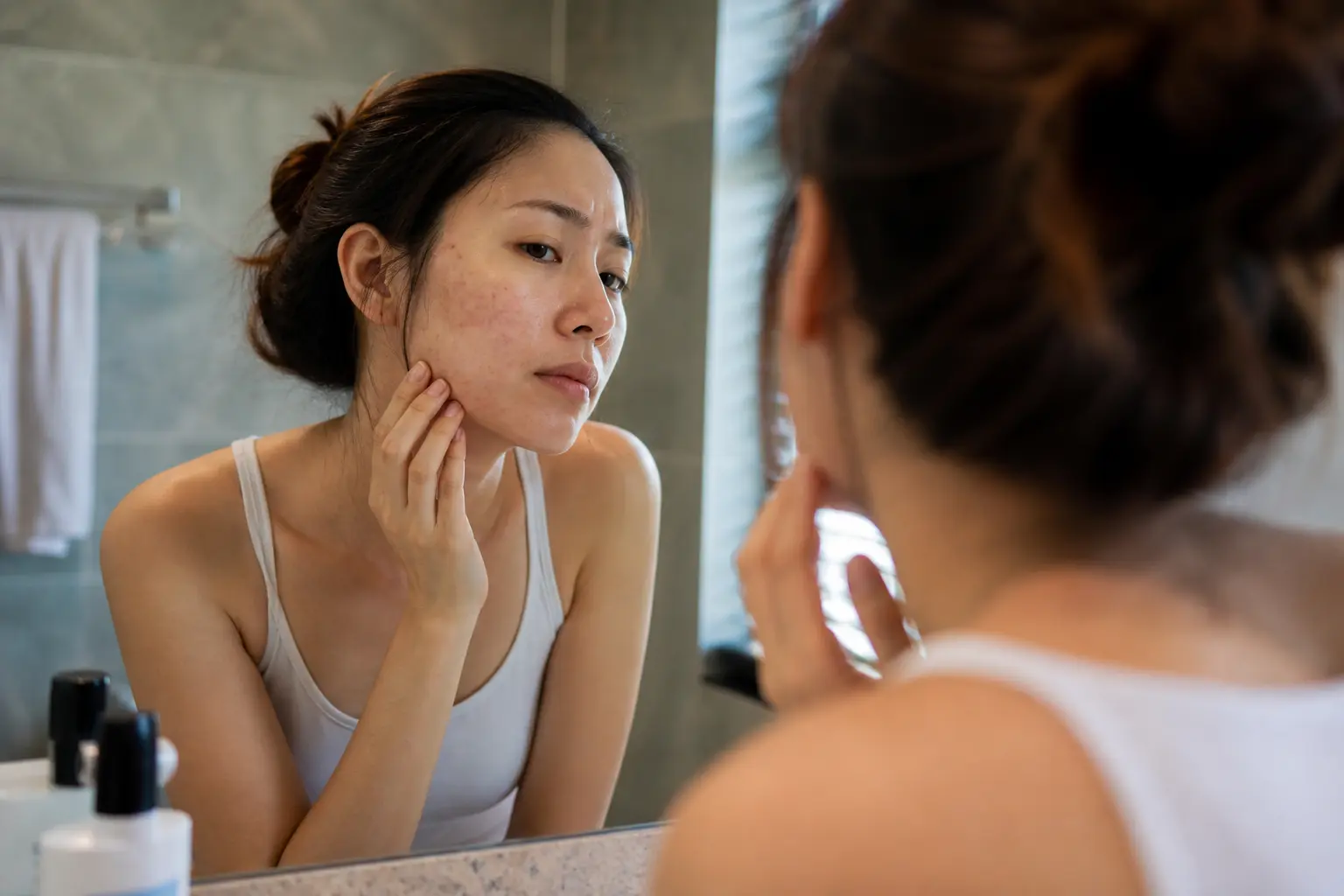
You wake up, look in the mirror, and there it is again – another breakout, another flare-up, another reminder that your skin refuses to cooperate no matter what expensive creams you throw at it, but what if the real problem isn’t sitting on your bathroom shelf and the gut health skin connection is exactly what you’ve been missing all along?
What is the gut-skin axis?
The gut-skin axis sounds scientific and complicated, but here’s what’s really happening inside your body: your gut and your skin are in constant conversation. When your gut microbiome gets thrown off balance, whether from stress, antibiotics, processed foods, or hormonal shifts, that imbalance doesn’t stay quietly in your digestive system. It travels through your bloodstream and shows up as inflammation on your face, chest, or wherever your skin tends to break out. Think of it like a traffic jam in your gut that causes a backup all the way to your skin. A compromised gut lining, sometimes called leaky gut, can allow unwanted particles to slip into your bloodstream, triggering inflammatory responses that manifest as acne, eczema, rosacea, or that dull, tired complexion you can’t seem to shake no matter how much sleep you get.
- Imbalance in gut bacteria can lead to inflammation, triggering skin conditions like acne and eczema.
- A compromised gut lining can allow toxins to enter the bloodstream and cause skin flare-ups and sensitivity.
- Improving gut health through diet and lifestyle changes can positively impact skin health and restore your natural glow.
Healing your gut for glowing skin
Healing your gut isn’t about one magic food or supplement, it’s about creating an environment where your good bacteria can thrive. Start by adding probiotic-rich foods into your daily routine: fermented yogurt, sauerkraut, kimchi, miso, and kombucha all contain live cultures that support your microbiome. Pair these with prebiotic foods like garlic, onions, asparagus, and bananas that feed those good bacteria and help them multiply. Picture this: you swap your morning sugary cereal for a bowl of Greek yogurt with berries and ground flaxseed, and within weeks you notice your skin feels less reactive and more balanced. Hydration is equally crucial, so aim for at least eight glasses of water daily to help flush toxins and support your gut lining. Don’t underestimate stress management either. When you’re stressed, your cortisol levels spike, which disrupts your gut bacteria and triggers skin inflammation. Even fifteen minutes of deep breathing or a short walk can shift your nervous system and give your gut the calm it needs to heal.
💬 Ready to feel better in 2 minutes?choose where to begin:
Nutrition tips for clear skin
Your skin reflects what you eat, and this is where real transformation happens. Load your plate with colorful antioxidant-rich foods: blueberries, spinach, kale, sweet potatoes, and bell peppers combat oxidative stress at the cellular level and support your skin’s natural regeneration process. Omega-3 fatty acids are your skin’s best friend, so include fatty fish like salmon and mackerel twice a week, or snack on walnuts, chia seeds, and flaxseeds if you prefer plant-based options. These healthy fats reduce inflammation throughout your body, including in your skin, and help maintain your skin barrier. Cut back on inflammatory triggers like refined sugars, vegetable oils, and ultra-processed foods that feed bad bacteria and spike blood sugar, leading to hormonal acne. One woman I know switched from her usual afternoon candy habit to a handful of almonds and noticed her jawline breakouts disappeared within three weeks. Healthy fats also improve nutrient absorption, so your body actually uses the vitamins and minerals you’re consuming instead of letting them pass through unused.
Mind-body connection for skin wellness
Your skin responds to your emotional state faster than you might think. When you’re anxious or overwhelmed, your body releases stress hormones that disrupt your gut bacteria, increase inflammation, and trigger skin flare-ups. This is why meditation, yoga, and even journaling can be as powerful as any topical treatment. Spend ten minutes each morning sitting quietly, focusing on your breath, or try a gentle yoga flow that calms your nervous system and supports healthy digestion. These practices lower cortisol levels and give your gut the parasympathetic activation it needs to heal. Beyond mindfulness, establish a skincare routine that feels like self-care rather than a chore. Use gentle, fragrance-free products suited to your skin type, avoid over-scrubbing or using too many actives at once, and give your skin time to adjust to changes. Many women make the mistake of adding too many new products simultaneously, which overwhelms their skin barrier and creates more problems. Instead, introduce one product every two weeks and observe how your skin responds. This patience, combined with internal gut healing, creates lasting results.
Improving gut health is key to achieving clear, radiant skin. The gut-skin axis highlights the intricate relationship between your gut microbiome and skin appearance. By nurturing your gut with probiotic-rich foods, staying hydrated, and managing stress levels, you can transform your skin health from within.
Can gut health really impact skin appearance?
Yes, a healthy gut can lead to clear, glowing skin, while an imbalanced gut microbiome can result in skin issues like acne and eczema.
How long does it take to see improvements in skin after improving gut health?
Results vary for each individual, but noticeable improvements in skin health can typically be seen within a few weeks to a couple of months of adopting gut-friendly habits.
Others also read:
Disclaimer: This article is for informational purposes only and is not a substitute for professional medical advice. Always consult a healthcare professional for personal guidance.
This article presents an experience-based perspective and has been reviewed by the GlobalHealthBeacon editorial team in 2026. It provides structured, evidence-based information to support informed health decisions.
