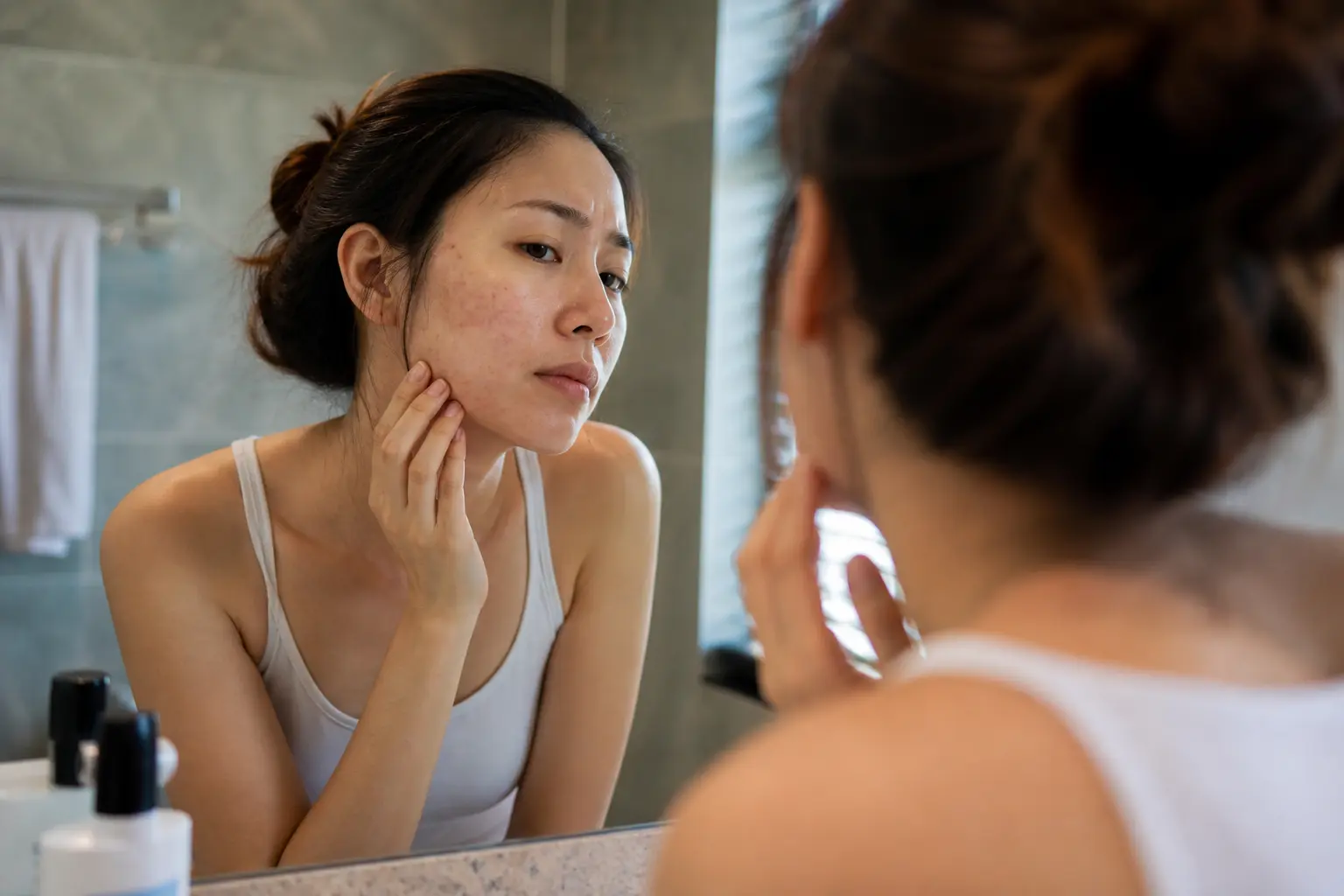
You wake up, look in the mirror, and there it is again – another breakout, another wave of frustration – but what if the real culprit isn’t your skincare routine at all, but the gut health skin connection nobody told you about?
Understanding the gut-skin axis
The gut-skin axis sounds like something from a medical textbook, but it’s actually the reason why your digestive system and complexion are basically best friends. Think of it this way: your gut microbiome is like the security team of your body, deciding what gets through and what gets blocked. When that team is out of balance, inflammation spreads everywhere, including straight to your face. Sarah, a 32-year-old marketing manager, spent three years trying every acne treatment under the sun before realizing her constant bloating and irregular digestion were sending distress signals through her entire system. The connection between what happens in your intestines and what shows up on your skin isn’t random – it’s biology. A compromised gut barrier allows harmful bacteria to trigger inflammatory responses, which your skin then mirrors back to you in the form of redness, breakouts, and sensitivity.
- Learn how your diet influences the health of your gut and skin.
- Discover the role of probiotics and prebiotics in promoting gut health and clear skin.
- Understand how stress and lifestyle factors can disrupt the delicate balance of the gut-skin axis.
Changing your diet for clearer skin
Here’s the thing nobody tells you: your skin doesn’t just reflect what you put on it, it reflects what you put in your body. When Emma decided to cut out processed foods and refined sugars, she wasn’t expecting her persistent rosacea to calm down within six weeks. She replaced her usual afternoon snack of crackers and cheese with fiber-rich berries, leafy greens, and whole grains. The shift wasn’t dramatic overnight, but gradually her skin stopped feeling reactive and angry. Inflammatory foods like sugar, refined carbs, and excessive omega-6 oils trigger a cascade of inflammatory responses in your gut, which then manifests as skin flare-ups. Start by swapping just one meal a day: instead of a sugary breakfast cereal, try eggs with avocado and whole grain toast. Notice how you feel, how your digestion responds, and whether your skin starts to calm down. Many women report that this single shift, combined with drinking more water and eating more colorful vegetables, becomes the turning point they didn’t expect.
💬 Ready to feel better in 2 minutes?choose where to begin:
Harnessing the power of probiotics
Probiotics aren’t just a trendy wellness buzzword – they’re live bacteria that actively restore balance to your gut microbiome. When your good bacteria outnumber the bad ones, your gut lining strengthens, inflammation decreases, and your skin starts reflecting that internal peace. Jessica added fermented foods like sauerkraut, kimchi, and plain Greek yogurt to her daily routine and noticed her skin texture improving within three weeks. But here’s what matters: not all probiotics are created equal, and not every fermented food will work for everyone. Some women thrive with kefir, others find it causes bloating. The key is experimenting with small amounts and paying attention to how your body responds. You might also consider a high-quality probiotic supplement, but food-based sources often work faster because they come with the fiber and nutrients your gut bacteria need to actually thrive. Think of probiotics as reinforcements for your internal army, helping rebuild the protective barrier that keeps inflammation at bay.
Managing stress for healthy skin
Chronic stress is like a saboteur working against your gut and skin simultaneously. When you’re stressed, your body releases cortisol, which disrupts your gut bacteria balance, increases intestinal permeability, and triggers inflammatory skin responses. Michelle noticed her breakouts always spiked during high-pressure work weeks, but when she started a simple 10-minute daily meditation practice and committed to evening walks, her skin visibly calmed down. Stress management isn’t just about feeling better mentally – it’s about creating the internal conditions where your skin can actually heal. Try incorporating one stress-reduction practice that feels genuine to you: whether that’s yoga, journaling, deep breathing, time in nature, or even just putting your phone away an hour before bed. The gut-skin connection is so sensitive to stress that even small, consistent practices create measurable shifts. When your nervous system feels safe, your gut relaxes, your microbiome stabilizes, and your skin follows suit.
By understanding the intricate connection between gut health and skin, women can take proactive steps to improve their skin from the inside out. Making simple lifestyle changes like improving diet, incorporating probiotics, and managing stress can lead to clearer, healthier skin.
Can improving gut health really help clear up skin issues?
Yes, many women have reported significant improvements in their skin by addressing gut health issues such as imbalances in the microbiome and inflammation.
How long does it take to see results from gut-healing practices?
Results can vary depending on the individual, but some women have noticed positive changes in their skin within a few weeks of making dietary and lifestyle adjustments.
Others also read:
Disclaimer: This article is for informational purposes only and is not a substitute for professional medical advice. Always consult a healthcare professional for personal guidance.
This article presents an experience-based perspective and has been reviewed by the GlobalHealthBeacon editorial team in 2026. It provides structured, evidence-based information to support informed health decisions.
