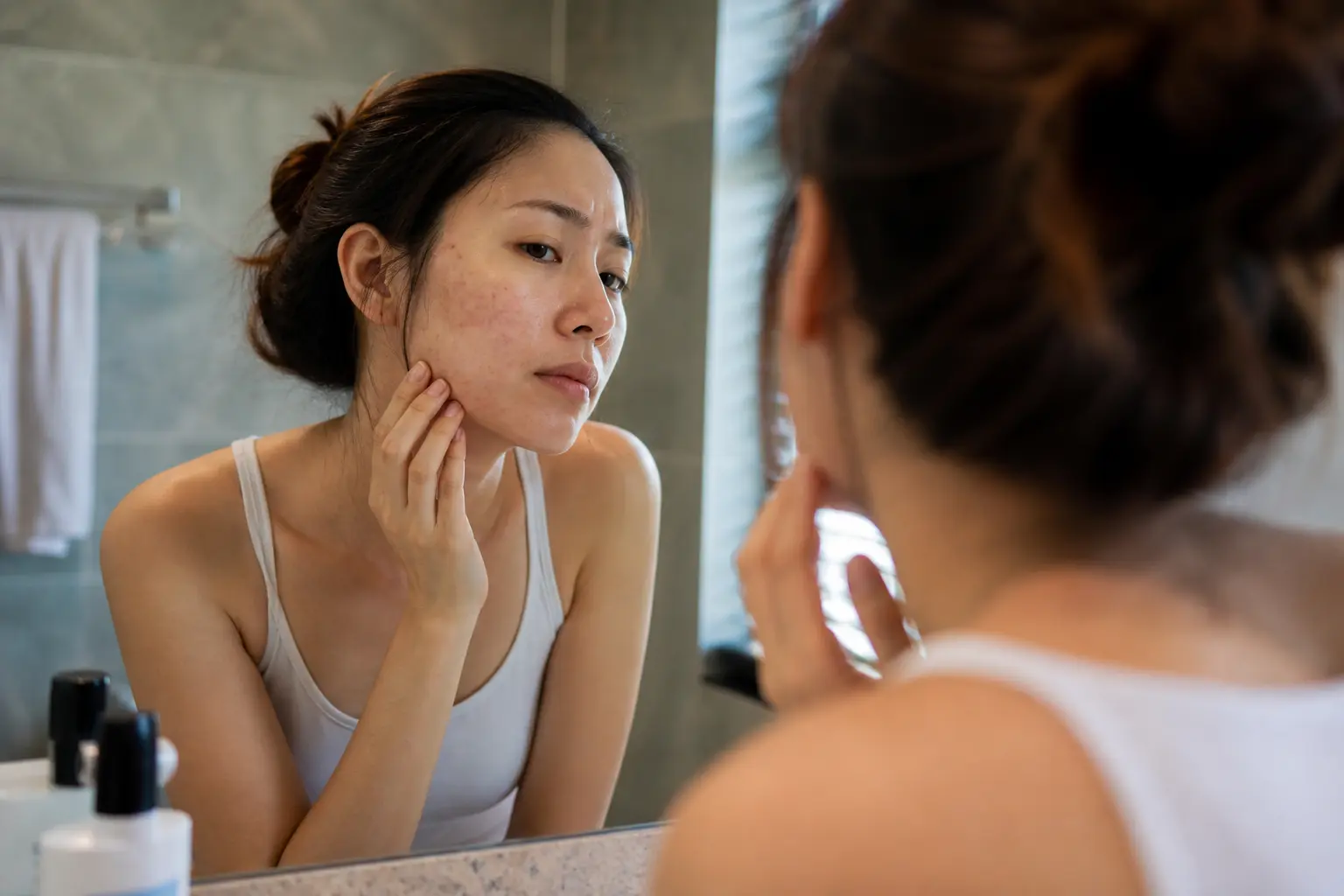
Your skin breaks out, your digestion feels off, and nothing seems to connect the dots until you realize your gut might be screaming for help and your skin is listening.
Understanding the gut-skin connection
The gut-skin axis is a two-way communication system that many seniors overlook until problems surface. Think of it like this: your digestive system houses trillions of bacteria that influence everything from nutrient absorption to immune function, and when that balance shifts, your skin often shows the first signs of trouble. Research consistently demonstrates that imbalances in the gut microbiome can manifest as acne, eczema, rosacea, or psoriasis. Consider Margaret, a 62-year-old who dealt with persistent rosacea for years. After addressing her gut health through dietary changes, her skin improved within weeks. The connection works because a compromised gut barrier allows harmful bacteria and toxins to enter the bloodstream, triggering inflammation that appears on your skin. Your intestinal lining acts as a gatekeeper, and when it weakens, inflammatory responses cascade throughout your body, affecting skin cells directly. Understanding this relationship helps you see skin issues not as isolated problems but as signals that your digestive system needs attention and support.
- Increase fiber intake to support gut health and promote beneficial bacteria growth
- Stay hydrated to help flush out toxins and support digestive movement
- Include probiotic-rich foods like yogurt, kefir, and sauerkraut in your diet
Balancing your microbiome for skin health
A diverse gut microbiome is like a thriving garden: it requires the right mix of plants, proper nutrients, and consistent care to flourish. For seniors, this balance becomes increasingly important because digestive efficiency naturally declines with age. Start by introducing fermented foods gradually. If you jump from zero fermented foods to eating sauerkraut daily, you might experience bloating or digestive discomfort. Instead, begin with small portions of yogurt or miso soup and increase slowly over two to three weeks. Prebiotics, which are non-digestible fibers found in foods like garlic, onions, and asparagus, feed your beneficial bacteria and help them multiply. Probiotics, the live bacteria themselves, come from fermented sources and supplements. A practical approach: eat one serving of fermented food daily and include two to three prebiotic-rich foods in your meals. Track how your skin responds over six to eight weeks. Many seniors report clearer skin, reduced redness, and improved texture once their microbiome stabilizes. The key is consistency and patience, not dramatic overnight changes.
📘 Fix your day in under 2 minuteschoose where to begin:
Nutrition tips for healthy skin aging
Food is medicine, and your skin responds directly to what you eat. For seniors, a nutrient-rich diet combats skin aging at the cellular level by providing antioxidants that fight free radical damage and vitamins that support collagen production. Berries, especially blueberries and raspberries, contain anthocyanins that protect skin cells from oxidative stress. Leafy greens like spinach and kale deliver lutein and zeaxanthin, which improve skin elasticity. Fatty fish such as salmon and mackerel provide omega-3 fatty acids that reduce inflammation and strengthen the skin barrier. Nuts and seeds offer vitamin E and selenium, both crucial for skin repair. Here is a practical daily approach: aim for a palm-sized portion of protein at lunch and dinner, a fist-sized serving of colorful vegetables at each meal, and a small handful of nuts as a snack. This pattern ensures you receive a broad spectrum of skin-supporting nutrients without overthinking meal planning. Many seniors find that when they focus on whole foods and reduce processed items, their skin improves within three to four weeks. The difference is visible in reduced dryness, fewer age spots, and a more even skin tone.
Stress management for skin wellness
Chronic stress triggers a cascade of hormonal changes that damage your gut and skin simultaneously. When you feel stressed, your body releases cortisol, which increases inflammation, disrupts your gut barrier, and accelerates skin aging. For seniors, stress often stems from health concerns, life transitions, or family responsibilities, making stress management not optional but essential. Yoga offers a dual benefit: it calms your nervous system while gently moving your digestive system, promoting healthy gut function. Even 15 minutes of gentle yoga three times weekly produces measurable improvements in both stress levels and skin clarity. Meditation and deep breathing exercises activate your parasympathetic nervous system, the part responsible for rest and recovery. Try this simple practice: sit quietly for five minutes, breathe in for four counts, hold for four counts, and exhale for four counts. Repeat ten times. Do this twice daily, ideally morning and evening. Many seniors report that after two weeks of consistent practice, their skin looks calmer, redness decreases, and their digestion improves noticeably. The mind-gut-skin connection is real and measurable.
The importance of sleep for skin regeneration
Sleep is when your body repairs itself, and your skin does most of its regeneration between 11 p.m. and 3 a.m. During deep sleep, your body increases blood flow to the skin and rebuilds collagen, the protein that keeps skin firm and youthful. For seniors, sleep quality often declines due to changes in circadian rhythms, medication side effects, or sleep disorders like sleep apnea. Poor sleep disrupts your gut microbiome, increases inflammation, and prevents skin cells from renewing properly. This explains why you wake up with puffy, dull skin after a bad night. Aim for seven to nine hours nightly by establishing a consistent sleep schedule: go to bed and wake up at the same time every day, even weekends. Avoid screens one hour before bed, keep your bedroom cool and dark, and limit caffeine after 2 p.m. If you struggle with sleep, try magnesium glycinate, a supplement many seniors find helpful for both sleep quality and digestive health. Within two weeks of improved sleep, you will notice your skin looks more refreshed, inflammation decreases, and your digestion stabilizes. Sleep is not a luxury; it is a critical component of your skin and gut health strategy.
Balancing gut health and skin connection requires a multi-faceted approach tailored to your life as a senior. Focus on fiber-rich foods to feed beneficial bacteria, maintain a diverse microbiome through fermented and prebiotic foods, eat nutrient-dense whole foods that support skin repair, manage stress through yoga and meditation, and prioritize seven to nine hours of quality sleep nightly. These five pillars work together to restore your gut barrier, reduce inflammation, and reveal clearer, healthier skin. Start with one change, master it over two weeks, then add another. This gradual approach builds sustainable habits rather than overwhelming you with sudden dietary overhauls.
Can gut health affect my skin?
Yes, absolutely. The gut-skin axis is a well-documented biological connection. When your gut microbiome becomes imbalanced, it increases intestinal permeability, allowing toxins and harmful bacteria to enter your bloodstream and trigger inflammatory responses that manifest as acne, eczema, rosacea, and other skin conditions. Conversely, when you restore gut balance, skin clarity typically improves within four to eight weeks.
How can I improve my gut health for better skin?
Start by adding fiber-rich foods like vegetables, whole grains, and legumes to increase beneficial bacteria. Include one serving of fermented food daily such as yogurt, kefir, or sauerkraut. Eat prebiotic foods like garlic, onions, and asparagus. Manage stress through meditation or yoga, sleep seven to nine hours nightly, and eat nutrient-dense whole foods rich in antioxidants and omega-3 fatty acids. Make changes gradually over two to three weeks to allow your digestive system to adjust without discomfort.
Others also read:
Disclaimer: This article is for informational purposes only and is not a substitute for professional medical advice. Always consult a healthcare professional for personal guidance.
This guide has been prepared and reviewed by the GlobalHealthBeacon editorial team and reflects current medical research as of 2026. It provides structured, evidence-based information to support informed health decisions.
