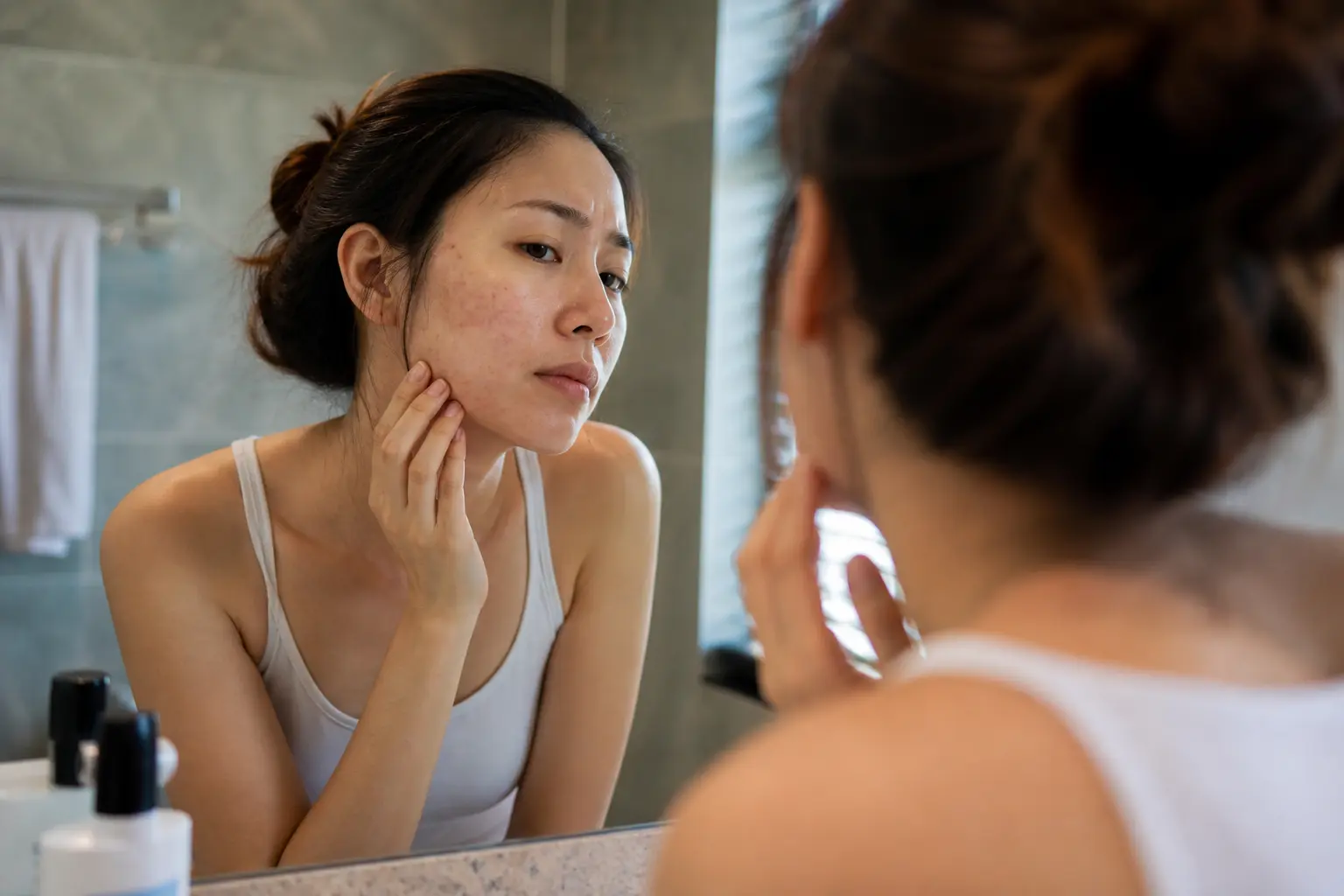
You’re breaking out constantly, you’ve tried every acne cream on the market, and nothing sticks—but what if the real problem is happening inside your gut, not on your face? The gut health skin connection is real, and it might be the missing piece to finally getting clear skin.
Understanding the gut-skin axis
The gut-skin axis is a two-way communication system between your digestive tract and your skin. Think of it like this: when your gut microbiota becomes imbalanced (a condition called dysbiosis), harmful bacteria can outnumber the beneficial ones. This imbalance triggers systemic inflammation throughout your body, and your skin often bears the brunt of it. Research shows that people with acne frequently have disrupted gut flora compared to those with clear skin. When your intestinal lining becomes compromised, it allows bacterial toxins to leak into your bloodstream, a phenomenon researchers call leaky gut. Your immune system then overreacts, causing inflammation that manifests as breakouts. Young adults especially experience this because stress, irregular eating patterns, and antibiotic use during teenage years can all damage the delicate balance of gut bacteria. By understanding this connection, you can stop treating acne as just a skin problem and start addressing the root cause in your digestive system.
- Maintain a diet rich in fiber to support a diverse microbiome.
- Include probiotic-rich foods like yogurt and kefir for beneficial gut bacteria.
- Stay hydrated and reduce sugar intake to minimize inflammation in the body.
Choosing gut-friendly foods for clear skin
Food is medicine, and when it comes to acne, your plate directly impacts your skin. Start by building meals around whole foods: colorful vegetables like spinach and broccoli, fruits such as berries and apples, and lean proteins like chicken or legumes. These foods feed your good bacteria and provide nutrients your skin needs to repair itself. Omega-3 fatty acids are particularly powerful for acne sufferers. Fatty fish like salmon and mackerel, walnuts, chia seeds, and flaxseeds contain anti-inflammatory compounds that calm skin inflammation from the inside out. A practical example: swap your regular lunch sandwich for grilled salmon with quinoa and roasted vegetables. That single meal delivers probiotics, omega-3s, and fiber all at once. Conversely, avoid processed foods, refined carbohydrates, and excessive dairy, which can spike blood sugar and trigger sebum production. Many young adults find that cutting back on milk-based products alone reduces breakouts within two to three weeks. The key is consistency, not perfection. You don’t need to overhaul everything overnight; start by replacing one meal per day with gut-friendly alternatives.
📘 Fix your day in under 2 minuteschoose where to begin:
Stress management for skin clarity
Chronic stress is an invisible acne accelerator. When you’re stressed, your body releases cortisol, a hormone that disrupts your gut microbiota balance and increases sebum production on your skin. Picture this scenario: you have a stressful week at work or school, you sleep poorly, and suddenly a cluster of pimples appears. That’s not coincidence. Your nervous system directly influences your gut, and your gut directly influences your skin. To break this cycle, you need stress management practices that actually work for your lifestyle. Exercise is one of the most effective tools, whether that’s a 30-minute gym session, a run, or even a 20-minute yoga video at home. Mindfulness and meditation don’t require hours of practice either; even five minutes of deep breathing before bed can calm your nervous system and support gut health. Sleep is non-negotiable. Aim for seven to nine hours per night, as poor sleep increases inflammation and disrupts your microbiome. Young adults often sacrifice sleep for work or social life, but your skin will thank you for prioritizing rest. Consider keeping a stress journal to identify your personal triggers, then build small stress-relief habits into your daily routine.
The impact of skincare routine on gut health
Here’s something many people miss: your skin has its own microbiome, and harsh products can destroy it just as easily as poor diet destroys your gut bacteria. When you strip your skin with aggressive cleansers or heavy chemical treatments, you damage the protective barrier and kill beneficial bacteria living on your skin’s surface. This leads to more inflammation and ironically, more acne. The solution is gentle, intentional skincare. Look for non-comedogenic products that won’t clog pores, and choose cleansers with a pH close to your skin’s natural pH of around 4.5 to 5.5. Ingredients like hyaluronic acid hydrate without irritation, niacinamide reduces sebum production and strengthens your skin barrier, and ceramides help repair a compromised barrier. A realistic routine for young adults might look like this: a gentle cleanser in the morning, a lightweight moisturizer with niacinamide, and sunscreen. At night, the same cleanser followed by a richer moisturizer. Avoid over-exfoliating, which many acne sufferers do in an attempt to clear skin faster. Limit exfoliation to once or twice per week maximum. Remember, your skin is an ecosystem, not a battlefield. Treating it gently supports both your skin’s microbiome and your overall gut health.
Consulting with a healthcare professional
If you’ve adjusted your diet, managed stress, and refined your skincare routine but acne still persists after eight to twelve weeks, it’s time to see a professional. A dermatologist can assess whether your acne is hormonal, bacterial, or inflammatory in nature, which determines the best treatment approach. They might recommend topical treatments like retinoids or benzoyl peroxide, oral medications, or in some cases, antibiotics. However, if you go the antibiotic route, be aware that antibiotics kill both harmful and beneficial gut bacteria, which can worsen dysbiosis long-term. Discuss this trade-off with your doctor and ask about probiotic supplementation to protect your gut during treatment. Some dermatologists now also consider gut health as part of acne management and may refer you to a nutritionist or gastroenterologist. Young adults should feel empowered to ask questions about root causes rather than just symptom management. If your doctor dismisses the gut-skin connection, consider seeking a second opinion from someone who practices functional or integrative medicine. Your acne is a signal from your body that something needs attention, and addressing the underlying cause is always more effective than treating the symptom alone.
The gut-skin connection is a fascinating area of exploration for young adults seeking natural ways to improve acne. By understanding this relationship, making dietary adjustments, managing stress, adopting a gentle skincare routine, and consulting healthcare professionals when needed, individuals can promote clearer skin from the inside out.
Can gut health really impact acne?
Research suggests that imbalances in gut microbiota can lead to inflammation, potentially triggering skin conditions like acne. Nurturing gut health through a balanced diet and lifestyle changes may help improve skin clarity naturally.
What foods are beneficial for gut and skin health?
Whole foods rich in fiber, probiotics, and Omega-3 fatty acids can support both gut and skin health. Incorporate fruits, vegetables, yogurt, fish, nuts, and seeds into your diet to promote a diverse microbiome and reduce inflammation, which may improve acne.
Others also read:
Disclaimer: This article is for informational purposes only and is not a substitute for professional medical advice. Always consult a healthcare professional for personal guidance.
This guide has been prepared and reviewed by the GlobalHealthBeacon editorial team and reflects current medical research as of 2026. It provides structured, evidence-based information to support informed health decisions.
