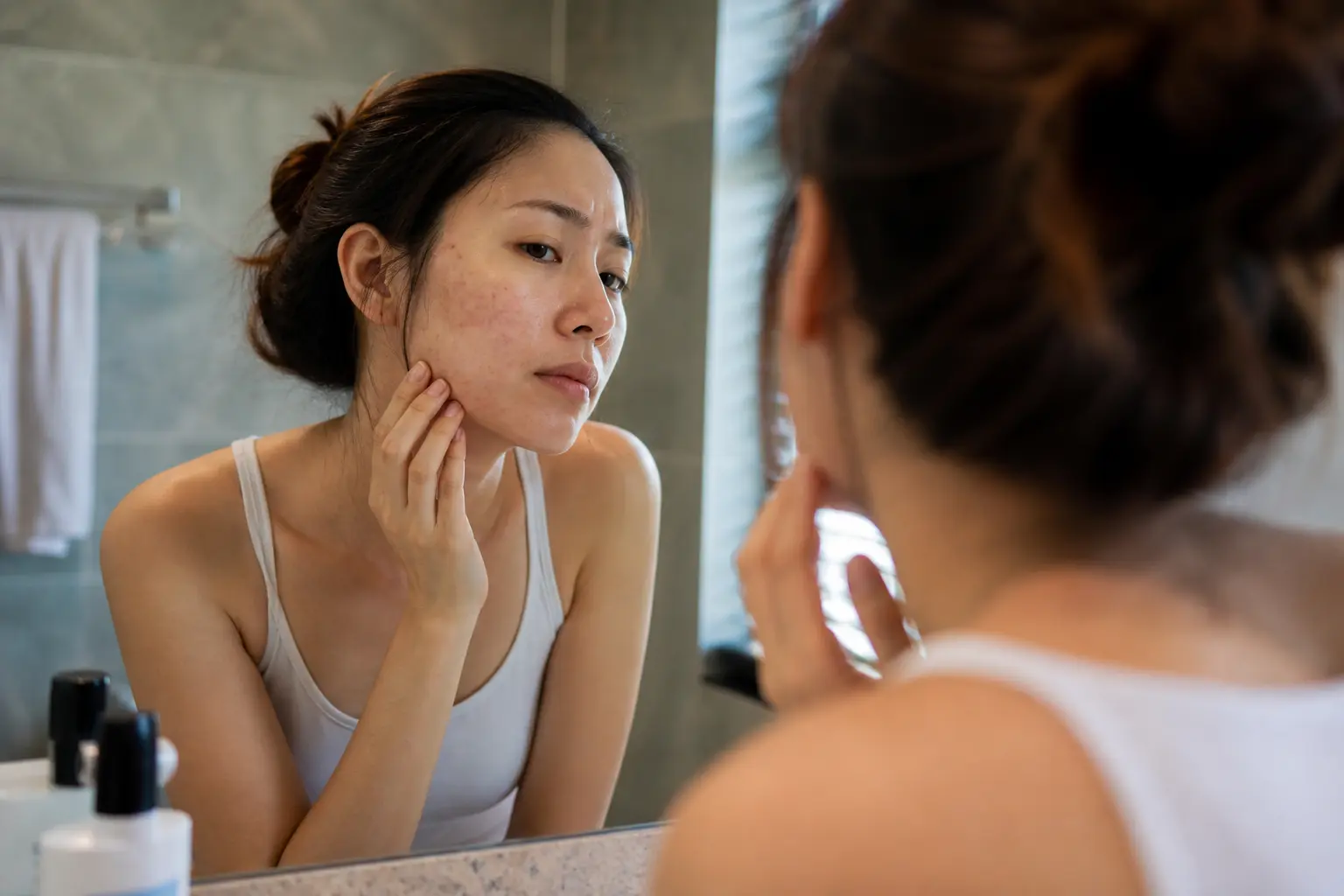
You wake up with another breakout, your skin feels inflamed, and you’re wondering if that late-night pizza or stress from work triggered it all over again, because the gut health skin connection is real and your body is trying to tell you something.
The gut-skin axis: a complex interplay
Your gut and skin are in constant conversation through what researchers call the gut-skin axis, a bidirectional communication system that operates 24/7. Think of it like a telephone line between two cities: when one side sends a signal, the other responds. This connection involves your immune system, hormonal pathways, and the trillions of microorganisms living in your digestive tract. When your gut barrier becomes compromised, inflammatory molecules can enter your bloodstream and trigger skin reactions. For example, if you consume foods that disrupt your gut bacteria, your intestinal lining may become more permeable, allowing bacterial lipopolysaccharides to cross into circulation. These molecules activate immune cells that then travel to your skin, promoting inflammation and exacerbating conditions like acne, eczema, and psoriasis. Research published in dermatological journals demonstrates that individuals with inflammatory skin conditions often show markers of intestinal permeability and dysbiosis, suggesting the axis works in both directions simultaneously.
Microbiome balance matters
Your gut microbiome is like a thriving ecosystem containing over 37 trillion bacterial cells representing hundreds of different species. Each species plays a specific role in maintaining digestive function, producing short-chain fatty acids, synthesizing vitamins, and regulating immune tolerance. When this ecosystem becomes imbalanced, a condition called dysbiosis, the consequences ripple outward to your skin. For instance, a reduction in beneficial bacteria like Faecalibacterium prausnitzii allows pathogenic species to flourish, increasing intestinal inflammation and compromising the tight junctions that form your gut barrier. This increased permeability allows lipopolysaccharides and other bacterial antigens to trigger systemic inflammation. Studies show that people with acne have significantly different microbiome compositions compared to those with clear skin, with reduced microbial diversity being a consistent finding. The bacteria in your gut also produce metabolites that directly influence skin health, including butyrate, which strengthens intestinal barrier function and reduces inflammatory signaling throughout your body.
Key steps to support gut health and skin
Supporting your gut-skin connection requires a multifaceted approach that addresses diet, hydration, stress, and sleep simultaneously. Start by eating a diverse range of plant-based foods because each type of vegetable, fruit, and whole grain feeds different bacterial species in your microbiome. A person eating 30 different plant foods weekly develops significantly more microbial diversity than someone eating 10 foods repeatedly. Hydration matters because water facilitates nutrient absorption and helps your digestive system move food through your intestines efficiently, preventing the stagnation that allows harmful bacteria to proliferate. Stress management is equally critical because psychological stress triggers the release of cortisol and other hormones that increase intestinal permeability and shift your microbiome composition toward less beneficial species. Even 10 minutes of daily meditation or a 20-minute walk can measurably reduce inflammatory markers in your bloodstream. Sleep deprivation disrupts circadian rhythms that regulate both gut barrier function and immune tolerance, so prioritizing consistent sleep schedules supports both systems. Consider keeping a simple food and symptom journal for two weeks to identify which specific foods correlate with skin flare-ups in your individual case.
- Eat a diverse range of fruits, vegetables, and fiber-rich foods to feed beneficial gut bacteria
- Stay hydrated throughout the day to support digestion and nutrient absorption
- Manage stress levels through mindfulness, exercise, or other relaxation techniques to reduce inflammation
🔬 Science-backed benefits in 2 minuteschoose where to begin:
Impact of diet on skin health
The foods you consume directly shape your microbiome composition and inflammatory status within hours of eating. High-glycemic foods like refined sugars and white bread cause rapid blood sugar spikes that trigger insulin surges, which increase sebum production in your skin and promote acne-causing bacteria. Dairy products contain hormones and proteins that some individuals find inflammatory, though responses vary significantly between people. Ultra-processed foods typically contain emulsifiers and artificial sweeteners that research suggests may damage the gut barrier and reduce beneficial bacterial populations. Conversely, foods rich in polyphenols like berries, green tea, and dark chocolate feed beneficial bacteria that produce anti-inflammatory metabolites. Omega-3 fatty acids from fatty fish, flaxseeds, and walnuts reduce systemic inflammation and support skin barrier function. A practical approach involves replacing one processed snack daily with a whole-food alternative for two weeks and observing changes in your skin clarity. Many young adults find that simply reducing added sugars while increasing vegetables produces noticeable skin improvements within 4-6 weeks, though individual timelines vary based on baseline microbiome health and genetic factors.
Addressing skin concerns holistically
Treating skin conditions effectively requires addressing both internal factors like gut health and external factors like skincare routines and environmental exposure. Many people spend money on expensive topical treatments while ignoring the inflammatory cascade originating in their digestive system. A holistic approach means examining your complete lifestyle: Are you eating enough fiber? Are you managing stress effectively? Are you sleeping 7-9 hours nightly? Is your skincare routine stripping your skin barrier with harsh products? Consider that someone with acne might benefit from both a gentle cleanser and a dietary shift toward anti-inflammatory foods. Similarly, someone with eczema might need both a good moisturizer and stress management techniques. Healthcare providers like dermatologists and registered dietitians can work together to create personalized plans that address your specific situation. Some functional medicine practitioners specialize in identifying food sensitivities through elimination diets, which can reveal individual triggers that generic advice might miss. The key is recognizing that your skin reflects your internal health status, so sustainable improvements come from addressing root causes rather than just treating symptoms.
Seeking professional guidance
While understanding the gut-skin connection empowers you to make informed choices, professional guidance ensures your approach is evidence-based and tailored to your unique circumstances. A dermatologist can diagnose your specific skin condition and rule out other causes, while a registered dietitian can assess your current eating patterns and identify nutritional gaps. Some individuals benefit from testing for food sensitivities or microbiome analysis, though these tests should be interpreted by qualified professionals who understand their limitations. If you have severe acne, eczema, or psoriasis, prescription treatments might be necessary alongside lifestyle modifications rather than as replacements. A gastroenterologist can evaluate whether you have underlying conditions like irritable bowel syndrome or inflammatory bowel disease that require specific management. The combination of professional expertise and your own self-awareness creates the most effective path forward. Many young adults find that working with one healthcare provider initially, then adding specialists as needed, prevents overwhelming yourself with too many recommendations simultaneously. Remember that sustainable changes happen gradually, so patience combined with professional guidance typically produces better long-term results than attempting dramatic overhauls alone.
The gut health skin connection operates through multiple biological pathways involving your microbiome, immune system, and intestinal barrier function. Maintaining microbial diversity through varied plant foods, managing stress, staying hydrated, and prioritizing sleep all support both systems simultaneously. While topical skincare has its place, addressing internal factors often produces more dramatic and lasting improvements in skin clarity and health. Professional guidance helps ensure your approach is evidence-based and personalized to your specific needs rather than following generic advice that may not apply to your situation.
Can gut health impact skin conditions?
Yes, research demonstrates that gut microbiome composition and intestinal barrier function directly influence skin conditions through immune activation, inflammatory signaling, and metabolite production. Dysbiosis and increased intestinal permeability are frequently observed in people with acne, eczema, and psoriasis compared to those with clear skin.
How can I improve both gut health and skin health simultaneously?
Consume a varied diet rich in fiber and polyphenols from vegetables and fruits, stay consistently hydrated, manage stress through exercise or meditation, prioritize 7-9 hours of sleep nightly, and consider consulting a registered dietitian or dermatologist for personalized recommendations based on your individual health status and skin concerns.
Others also read:
Disclaimer: This article is for informational purposes only and is not a substitute for professional medical advice. Always consult a healthcare professional for personal guidance.
This article has been prepared and reviewed by the GlobalHealthBeacon editorial team and is based on current medical research and published scientific literature available in 2026. It provides structured, evidence-based information to support informed health decisions.
