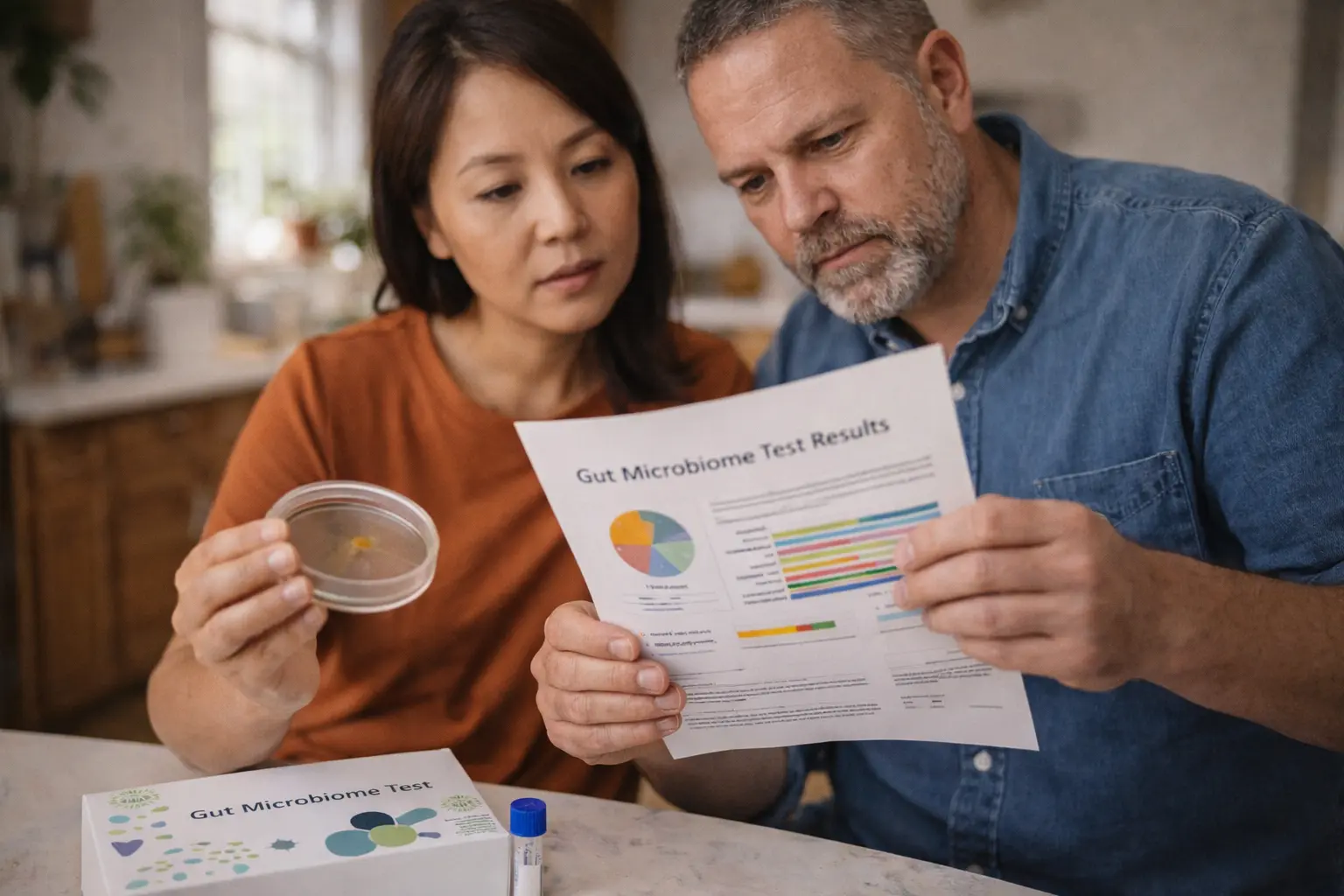
You’ve been bloated, tired, and dealing with digestive issues for months, so you finally order a gut microbiome test hoping for answers, but then the results arrive and you’re staring at percentages and bacterial names that mean absolutely nothing, leaving you wondering if gut microbiome test accuracy is even real or just another wellness marketing gimmick.
The science behind gut microbiome tests
Your gut is essentially a living ecosystem, home to trillions of microorganisms that work quietly behind the scenes influencing everything from your digestion to your mood. Gut microbiome tests work by collecting a small stool sample and analyzing the DNA of the bacteria, fungi, viruses, and other microbes living in your digestive tract. Think of it like taking a census of your gut population. Scientists use a process called DNA sequencing to identify which species are present and in what quantities. For example, if you have high levels of Faecalibacterium prausnitzii, that’s generally considered beneficial for gut health, while an overgrowth of pathogenic bacteria might signal dysbiosis. The test essentially creates a snapshot of your microbial community at a specific moment in time, revealing the diversity and composition that plays a crucial role in digestion, nutrient absorption, immune function, and even mental health.
Factors influencing microbiome test accuracy
Microbiome test results aren’t as straightforward as a blood glucose reading, and that’s important to understand. Multiple variables can shift your results, starting with how you collect the sample. If you touch the swab to the toilet bowl instead of directly to stool, or if you wait too long before sending it in, you’re introducing contamination or allowing bacterial degradation. Sequencing technology itself varies between labs, meaning two different companies might report slightly different bacterial counts from the same sample. Your diet, medications (especially antibiotics), stress levels, and even your menstrual cycle can alter your microbiome composition within days or weeks. A woman taking antibiotics for a urinary tract infection will see dramatic shifts in her microbial profile. Additionally, data analysis algorithms differ between testing companies, so the interpretation of raw sequencing data can vary. Individual variation is also enormous, meaning what’s normal for one woman might be unusual for another based on genetics, age, and lifestyle factors.
Steps for ensuring reliable microbiome test results
Getting accurate results starts before you even open the test kit. First, follow the collection instructions exactly as written, which typically means collecting stool directly into the provided container without touching the sides, and doing so within the specified timeframe. Some tests ask you to avoid certain foods or supplements for 24 hours beforehand, so read carefully. Second, choose a testing company that uses validated sequencing methods and publishes their protocols transparently. Look for companies that compare their results against established reference databases and have peer-reviewed research backing their interpretation methods. Third, don’t interpret your results in isolation. Schedule a consultation with a healthcare provider, registered dietitian, or microbiome specialist who can contextualize your specific results within your health history, symptoms, and lifestyle. They can help you understand whether variations in your microbiome are clinically significant or simply normal individual differences. Finally, consider retesting after making dietary or lifestyle changes, but wait at least 4 to 8 weeks to allow your microbiome time to shift.
- Follow sample collection instructions meticulously to avoid contamination
- Choose a reputable testing company with validated sequencing methods and transparent protocols
- Consult with healthcare professionals or microbiome experts to interpret results within your personal health context
🔬 Science-backed benefits in 2 minuteschoose where to begin:
Interpreting microbiome test results
Your microbiome test results typically show bacterial abundance, diversity metrics, and sometimes comparisons to healthy population averages. Diversity is often measured using indices like Shannon diversity or Simpson diversity, which essentially tell you how many different species you have and how evenly distributed they are. Higher diversity generally correlates with better health outcomes, though this isn’t absolute. You might see your results broken down by phylum (like Firmicutes and Bacteroidetes) or by specific beneficial bacteria like Akkermansia muciniphila. The challenge is that normal ranges are still being defined, and what’s optimal varies by individual. A woman in her 40s with a history of IBS might have a different optimal microbiome profile than a woman in her 20s with no digestive issues. Some tests compare your results to a reference database of healthy individuals, but these databases are still evolving and may not fully represent diverse populations. Look for reports that explain not just what bacteria you have, but what functions they perform, since two people with different bacterial species might have similar functional capabilities.
Current limitations and future directions
Despite rapid advances, microbiome testing still faces real limitations that affect reliability. Sample collection consistency remains challenging because stool composition varies throughout the day and between bowel movements. Data standardization across labs is improving but isn’t yet universal, meaning results from different companies aren’t always directly comparable. The biggest limitation is that we still don’t fully understand microbial interactions and how specific bacterial combinations affect health outcomes. A bacterium that looks problematic in isolation might actually be beneficial in the context of your unique microbiome. Additionally, most microbiome research has been conducted on Western populations, so reference databases may not accurately represent women from different ethnic or geographic backgrounds. Researchers are actively working to improve these areas through larger, more diverse studies, better sequencing technologies that can identify viruses and fungi more accurately, and machine learning algorithms that can predict health outcomes more reliably. Future tests may also measure bacterial metabolites and functional activity rather than just species presence, giving a more complete picture of what your microbiome is actually doing.
Ethical considerations in microbiome testing
When you submit a microbiome test, you’re sharing intimate health data that could potentially be used for purposes beyond your original intent. Privacy protection is crucial, so verify that the testing company has clear data security policies and doesn’t sell your genetic or health information to third parties without explicit consent. Informed consent means you understand what the test can and cannot tell you before you take it, and that you’re not expecting miraculous health transformations based on results alone. Some companies use microbiome data for research purposes, which can advance science but also raises questions about how your data is used and whether you benefit from discoveries made using your information. Women should also be aware that microbiome testing is still largely considered experimental for most health conditions, meaning insurance typically doesn’t cover it and results shouldn’t replace medical advice from licensed healthcare providers. Understanding these ethical dimensions empowers you to make informed decisions about participation and to advocate for your privacy and autonomy in your health journey.
Gut microbiome tests offer a window into the complex microbial world living inside you and how it connects to your overall health. Understanding the science behind these tests, recognizing the factors that influence accuracy, and learning how to interpret results thoughtfully allows you to use microbiome testing as one tool among many for understanding your health. By following proper collection procedures, choosing reputable testing companies, and consulting with qualified professionals, you can get the most reliable insights possible. Remember that your microbiome is dynamic and responsive to your choices, and a single test result is just a snapshot in time, not a permanent diagnosis or destiny.
How can I improve the accuracy of my microbiome test results?
Accuracy starts with meticulous sample collection following every instruction provided, including timing and handling. Choose a testing company with validated sequencing methods and transparent protocols. Avoid antibiotics or major dietary changes for at least two weeks before testing if possible. Send your sample quickly and keep it cool if required. Most importantly, work with a healthcare professional or microbiome specialist to interpret your results in context of your individual health history, symptoms, and lifestyle rather than comparing yourself to generic population averages.
What are the potential implications of abnormal microbiome test results?
Abnormal results might indicate dysbiosis or microbial imbalance, which could be associated with digestive symptoms, food sensitivities, or other health concerns. However, abnormal doesn’t automatically mean sick, since individual variation is enormous. Some variations are temporary responses to stress, diet, or medications. Consulting with a healthcare professional helps you understand whether your specific results warrant intervention or simply represent normal individual differences. They can guide you toward evidence-based dietary or lifestyle changes if appropriate, rather than pursuing unproven microbiome-focused treatments.
Others also read:
Disclaimer: This article is for informational purposes only and is not a substitute for professional medical advice. Always consult a healthcare professional for personal guidance.
This article has been prepared and reviewed by the GlobalHealthBeacon editorial team and is based on current medical research and published scientific literature available in 2026. It provides structured, evidence-based information to support informed health decisions.
