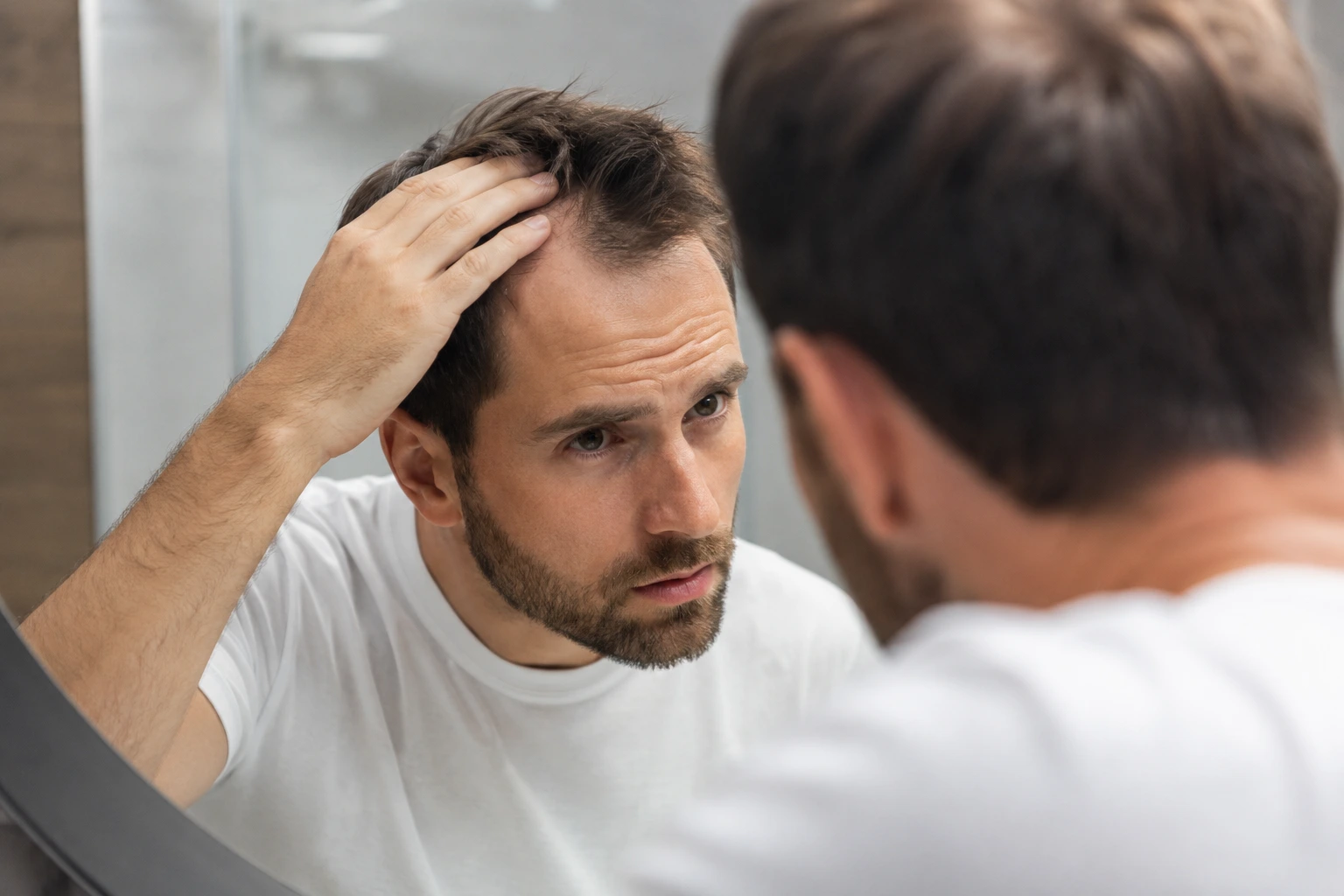
You’re brushing your hair and suddenly notice more strands in the sink than usual, or maybe your part looks wider than it did last year, and that sinking feeling hits you hard, but understanding hair thinning early signs is your first step toward taking back control.
Understanding female hair thinning
Hair thinning in women isn’t just about vanity, it’s a real physiological process that can stem from multiple sources working together. Your hormones play a massive role, especially during perimenopause or menopause when estrogen levels drop significantly. Genetics matter too, if your mother or grandmother experienced thinning, your risk increases substantially. But it’s not just biology. Chronic stress keeps your body in fight-or-flight mode, pushing hair prematurely into the shedding phase. Poor nutrition, particularly deficiencies in iron, zinc, biotin, and protein, starves your hair follicles of the building blocks they need. Medical conditions like thyroid disorders, polycystic ovary syndrome, and autoimmune diseases can accelerate thinning. The key is understanding that hair thinning rarely has a single cause, it’s usually a combination of factors working simultaneously, which is why a healthcare professional’s assessment becomes invaluable for pinpointing your specific triggers.
- Hormonal changes, genetics, stress, and poor nutrition can contribute to hair thinning.
- Symptoms may include wider parting, increased shedding, and a decrease in hair density.
- Risk factors such as age, family history, and certain medical conditions can play a role in hair thinning.
- Consulting a healthcare professional for a proper diagnosis is essential for personalized treatment.
Recognizing early warning signs
The earliest signs of hair thinning are often so subtle you might dismiss them as normal shedding. Start noticing your baseline, how much hair typically falls out when you shower or brush. If you’re suddenly finding significantly more strands on your pillow, in the shower drain, or clinging to your brush, that’s your first signal. Look at your part line, does it seem wider than photos from a year ago? Check your ponytail, is it noticeably thinner when you wrap your hair tie around it? Some women notice their scalp becoming more visible under bright light, especially at the crown or temples. You might also observe that your hair takes longer to dry or feels less voluminous even after styling. These changes happen gradually, which is why keeping mental notes or even taking photos every few months helps you spot the progression early, before significant density loss occurs.
📘 Fix your day in under 2 minuteschoose where to begin:
Managing female hair thinning
Managing hair thinning starts with the basics and builds from there. Your daily hair care routine matters more than you think, switch to a silk pillowcase to reduce friction while sleeping, use a wide-tooth comb instead of brushes, and avoid tight hairstyles that create tension on your scalp. Nutrition becomes your foundation, ensure you’re getting enough iron-rich foods like spinach and lean meats, protein at every meal to support hair structure, and omega-3 fatty acids from fish or flaxseeds. Stress management isn’t optional, whether that’s yoga, meditation, walks, or therapy, chronic stress directly impacts hair health. Consider a scalp massage twice weekly, it improves blood circulation to follicles and feels genuinely relaxing. If you’re deficient in key nutrients, targeted supplementation under professional guidance can help. Gentle scalp treatments and avoiding heat styling when possible preserve what you have. These lifestyle changes take time to show results, typically three to six months, but they address root causes rather than just masking symptoms.
Exploring treatment options
When lifestyle changes alone aren’t enough, several evidence-based treatments exist. Minoxidil, available over-the-counter as a topical solution or foam, works by extending the growth phase of hair and increasing blood flow to follicles, it requires consistent application and takes four to six months to show results. If hormonal imbalance is driving your thinning, your doctor might recommend hormonal therapy or medications like spironolactone. For more advanced cases, hair transplant surgery moves healthy hair follicles from donor areas to thinning spots, though this is typically reserved for significant hair loss. Platelet-rich plasma therapy, an emerging treatment, involves injecting concentrated platelets from your own blood into the scalp to stimulate growth. Low-level laser therapy devices are another option, though results vary. Some women benefit from combination approaches, pairing minoxidil with supplements and stress management. The right treatment depends entirely on your specific cause, severity, budget, and lifestyle, which is why consulting a dermatologist or trichologist who can assess your individual situation is crucial before committing to any treatment plan.
Embracing your natural beauty
Hair thinning affects millions of women, you’re not alone in this experience, and it doesn’t define your worth or attractiveness. Many women find that shifting their perspective from fighting the thinning to managing it gracefully reduces anxiety and actually improves outcomes. Some discover new hairstyles that work beautifully with thinner hair, like shorter cuts, layers, or strategic coloring that creates the illusion of density. Others find confidence in exploring different styling products designed for fine or thinning hair that add texture and volume. The emotional journey matters as much as the physical one, talking to friends, family, or a therapist about your feelings normalizes the experience and reduces shame. Self-care during this time isn’t superficial, it’s about honoring your body while you work toward solutions. Remember that hair is living tissue that responds to how you treat yourself overall, so prioritizing sleep, hydration, movement, and joy isn’t just good for your hair, it’s good for your entire wellbeing.
Understanding the early signs of female hair thinning, recognizing subtle changes, exploring management strategies, considering treatment options, and embracing your natural beauty are crucial steps in addressing this common concern.
Can hair thinning in women be reversed naturally?
While some hair thinning can be managed with lifestyle changes and proper hair care, severe cases may require medical intervention. Consult a healthcare professional for personalized advice.
Are home remedies effective for treating hair thinning?
Home remedies like scalp massages, essential oils, and dietary supplements may complement professional treatments, but they should not replace medical advice. Always seek guidance from a dermatologist or trichologist.
Others also read:
Disclaimer: This article is for informational purposes only and is not a substitute for professional medical advice. Always consult a healthcare professional for personal guidance.
This guide has been prepared and reviewed by the GlobalHealthBeacon editorial team and reflects current medical research as of 2026. It provides structured, evidence-based information to support informed health decisions.
