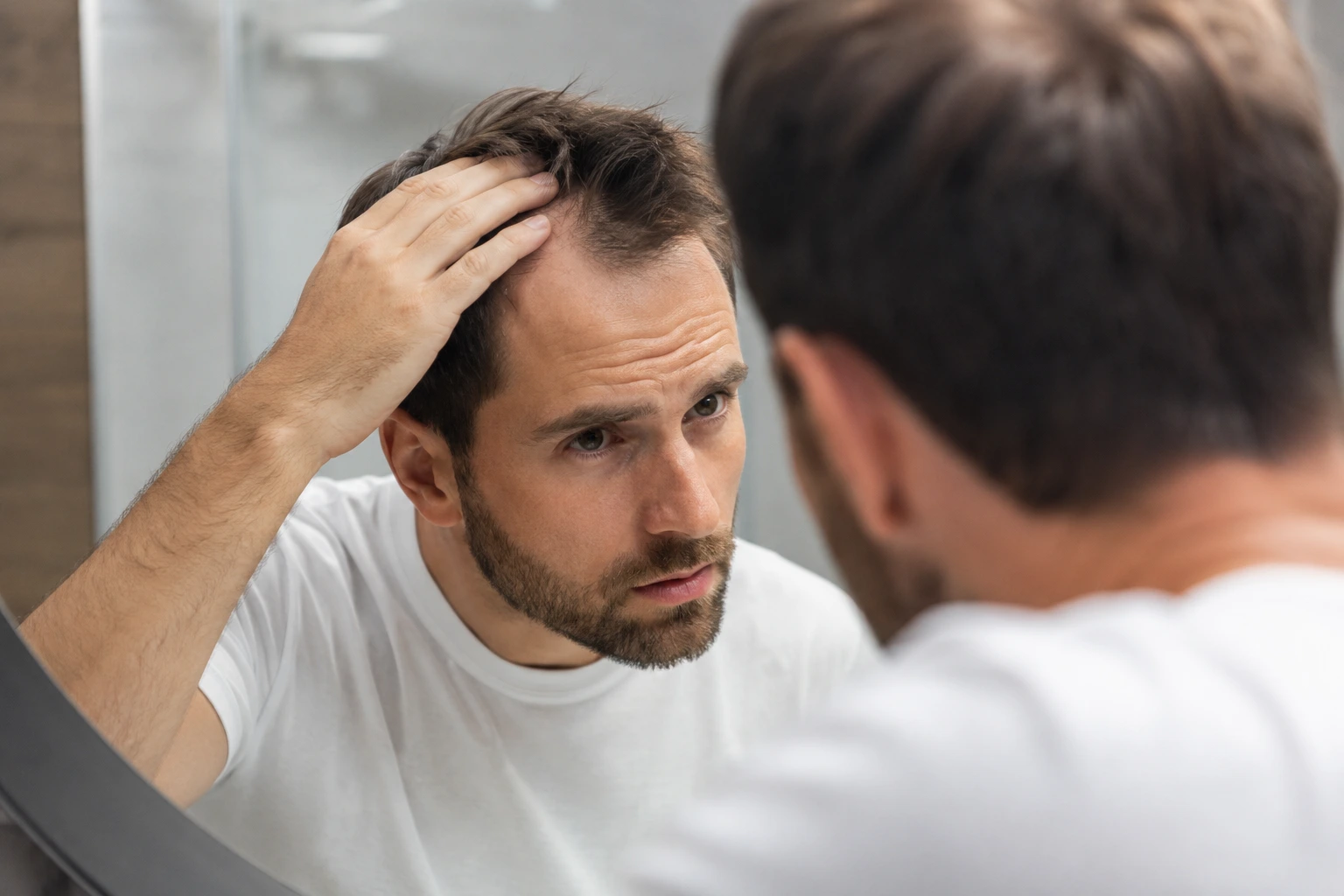
You’re finding more hair on your pillow, in the shower drain, and tangled around your brush than ever before, and honestly, it’s starting to feel like something’s seriously wrong with your body, so let’s talk about the real hair thinning early signs that deserve your attention right now.
Understanding the signs
Hair loss in women often creeps up slowly, which is why many of us don’t notice it until we’re already several months into the process. The early warning signs are subtle but unmistakable once you know what to look for. Excessive shedding during routine activities like showering or brushing is one of the first red flags. Most women shed between 50 and 100 hairs daily, but when you’re finding clumps in your drain or noticing your brush fills up faster than it used to, that’s your signal to pay attention. You might also notice your part line widening or being able to see more of your scalp through your hair than before. Some women describe it as their hair feeling thinner overall, like it lacks the fullness and body it once had. If you’ve been styling your hair the same way for years and suddenly need to adjust how you position your part to cover thinning areas, that’s another sign worth noting. These changes often happen gradually, so comparing photos from a year ago can help you see the difference more clearly.
- Excessive shedding during routine activities like showering or brushing
- Noticing widening part lines or visible scalp through thinning hair
- A decrease in hair density and volume over time
Causes of hair thinning
Understanding why your hair is thinning is the first step toward addressing it effectively. Hair thinning in women can stem from multiple factors working alone or together. Genetics plays a significant role, especially if your mother or grandmother experienced hair loss. Hormonal changes are another major culprit, particularly during pregnancy, after childbirth, during perimenopause, or when starting or stopping hormonal birth control. Stress and lack of sleep can push more hair follicles into the shedding phase prematurely. Your diet matters too, since hair needs specific nutrients like iron, zinc, biotin, and protein to grow strong. Medical conditions such as thyroid disorders, anemia, polycystic ovary syndrome (PCOS), and autoimmune conditions can trigger hair loss. Even certain medications or treatments like chemotherapy can affect hair growth. A woman in her 40s might experience thinning due to hormonal shifts, while a younger woman might be dealing with stress-related shedding or nutritional deficiencies. Identifying which factor or combination of factors is causing your hair loss helps determine the most effective treatment path forward.
📘 Fix your day in under 2 minuteschoose where to begin:
Seeking professional advice
When you notice persistent hair thinning, scheduling an appointment with a dermatologist or trichologist should be your next step. These specialists can examine your scalp, review your medical history, and potentially conduct tests like blood work or a scalp biopsy to identify underlying causes. During your visit, be prepared to discuss when you first noticed the thinning, whether it’s affecting specific areas or your entire scalp, any recent life changes like stress or illness, your diet, medications, and your family history of hair loss. A dermatologist might perform a pull test, gently pulling a small section of hair to see how many strands come out, which helps determine the severity. They can also check your thyroid function, iron levels, and hormone balance through blood tests if needed. Some women discover their hair loss is related to a treatable condition like iron deficiency or thyroid dysfunction, which changes everything about their treatment plan. Professional guidance prevents you from wasting time and money on treatments that won’t work for your specific situation and ensures you’re addressing the actual root cause rather than just the symptom.
Healthy habits for hair care
Supporting your hair health from the inside and outside requires a multi-faceted approach that becomes part of your daily routine. Start with nutrition, ensuring you eat enough protein, iron-rich foods like spinach and lean meat, and foods containing biotin and zinc. Stay hydrated by drinking adequate water daily, since dehydration affects hair growth. Manage stress through exercise, meditation, yoga, or whatever helps you feel calmer, because chronic stress directly impacts your hair cycle. Sleep matters more than you might think, so aim for 7 to 9 hours nightly to allow your body to repair and regenerate. When it comes to hair care itself, use a gentle shampoo and conditioner suited to your hair type, avoid tight hairstyles that pull on your roots, and minimize heat styling when possible. Consider using a silk pillowcase instead of cotton, which reduces friction and breakage while you sleep. Be gentle when brushing, starting from the ends and working your way up rather than yanking through tangles. Some women find that taking supplements like biotin, iron, or a comprehensive hair vitamin helps, though you should discuss this with your doctor first. These habits won’t reverse hair loss overnight, but they create an environment where your hair can be as healthy as possible.
Exploring treatment options
Once you understand what’s causing your hair thinning, several evidence-based treatment options exist. Minoxidil (Rogaine) is an over-the-counter topical solution applied directly to the scalp that can slow hair loss and promote regrowth in some women, though results vary and you must use it continuously. Finasteride (Propecia) is an oral medication that works by blocking the hormone responsible for hair loss in genetically predisposed women, but it requires a prescription and isn’t suitable for everyone. For women with hormonal causes, addressing the underlying hormonal imbalance through medication or lifestyle changes might be the answer. Newer treatments like PRP (platelet-rich plasma) therapy involve injecting concentrated platelets from your own blood into the scalp to stimulate hair follicles, though results are still being studied. Hair transplants are an option for advanced hair loss, where hair follicles from denser areas are moved to thinning spots. Low-level laser therapy is another emerging option that some women find helpful. The right choice depends on your specific diagnosis, budget, timeline, and comfort level with different approaches. Some women combine treatments for better results. It’s worth having a detailed conversation with your dermatologist about realistic expectations, potential side effects, and how long you might need to continue treatment before deciding which path makes sense for you.
Hair thinning in women presents early signs like excessive shedding, widening part lines, and reduced hair density. Understanding the causes, seeking professional advice, adopting healthy habits, and exploring treatment options are key steps in addressing this issue.
Can hair thinning in women be reversed?
Depending on the underlying cause of hair thinning, certain treatments and lifestyle changes can help improve hair density and promote regrowth. Consult a healthcare professional for personalized advice.
Are over-the-counter hair products effective for hair thinning?
While some over-the-counter products may show benefits for hair thinning, results can vary. It’s advisable to seek guidance from a dermatologist before incorporating any new products into your hair care routine.
Others also read:
Disclaimer: This article is for informational purposes only and is not a substitute for professional medical advice. Always consult a healthcare professional for personal guidance.
This guide has been prepared and reviewed by the GlobalHealthBeacon editorial team and reflects current medical research as of 2026. It provides structured, evidence-based information to support informed health decisions.
