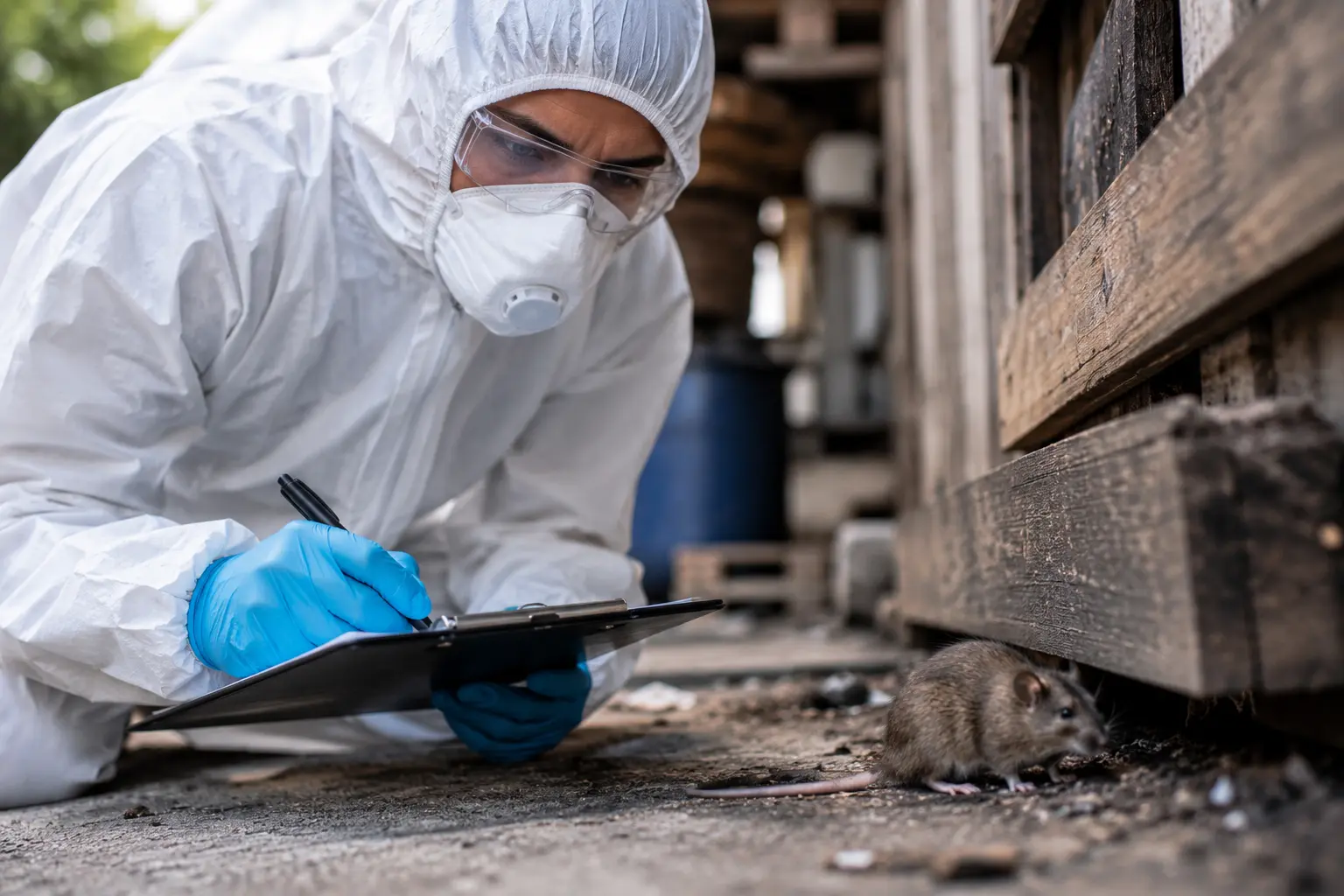
You find droppings in your apartment, feel a weird chest tightness, and suddenly hantavirus and rodents aren’t just a distant health class topic anymore – they’re your problem, and you need to know exactly what to do right now.
Identifying hantavirus symptoms
Hantavirus symptoms often creep up quietly, which makes them easy to miss or dismiss as a regular cold. Early on, you might notice a fever that won’t quit, along with muscle aches that feel deeper than typical soreness. Within days, fatigue sets in – the kind where even scrolling through your phone feels exhausting. Then comes the respiratory piece: shortness of breath, chest tightness, or a dry cough that lingers. The tricky part is that these symptoms mirror flu or pneumonia, so many young adults don’t immediately connect them to rodent exposure. If you’ve been around rodent droppings, urine, or nesting materials in the past few weeks and suddenly feel this way, that’s your signal to get medical attention. Don’t wait. Hantavirus can progress quickly, and early medical intervention makes a real difference in outcomes.
- Fever typically appears first, often between 1 to 5 weeks after exposure to infected rodents.
- Muscle aches, fatigue, and headaches follow, sometimes accompanied by nausea or dizziness.
- Respiratory symptoms like cough, chest discomfort, and shortness of breath signal a serious progression – seek emergency care immediately.
Understanding hantavirus transmission
Hantavirus spreads through direct contact with infected rodent urine, droppings, or saliva, but the real danger is airborne particles. When you sweep up old droppings or disturb contaminated nesting material, you kick up microscopic particles that float in the air and enter your lungs when you breathe. This is why wearing a mask during cleanup isn’t optional – it’s essential. The virus doesn’t spread person-to-person, so you won’t catch it from a friend or roommate, but you can absolutely catch it from a single infected mouse in your closet or attic. Infected rodents shed the virus constantly, making their droppings, urine, and saliva highly contagious. Even a small amount of contaminated material poses a risk. Understanding this helps you take the right precautions: avoid touching rodent waste directly, never use a vacuum on droppings, and always ventilate spaces where rodents have been.
📘 Fix your day in under 2 minuteschoose where to begin:
Safe rodent cleanup procedures
Before you touch anything, gear up properly. Put on nitrile gloves, an N95 or higher-rated mask, and long sleeves or a protective gown if you have one. Open windows and doors to create airflow – ventilation is your first line of defense against airborne particles. Never sweep or vacuum droppings; instead, spray the area lightly with a bleach solution (one part bleach to nine parts water) and let it sit for a few minutes. This kills the virus and prevents particles from becoming airborne. Use paper towels to carefully wipe up the dampened droppings and place them in a sealed plastic bag. For larger contaminated areas like an attic or garage, consider calling a professional – this isn’t being overly cautious, it’s being smart. After cleanup, remove your gloves carefully by peeling them off inside-out, dispose of them in a sealed bag, and wash your hands thoroughly with soap and water. If you feel dizzy, short of breath, or unwell during cleanup, stop immediately and get fresh air.
Disinfection and prevention measures
After cleanup, disinfection is your next step. Use a bleach solution on all surfaces where rodents have been, including baseboards, shelves, and any areas with visible droppings or urine stains. Let the solution sit for at least 10 minutes before wiping. For prevention going forward, seal entry points – rodents can squeeze through gaps as small as a dime, so check around pipes, vents, and foundation cracks. Store food in airtight containers and remove clutter where rodents hide and nest. Keep your living space clean and dry; rodents are attracted to moisture and food sources. Set traps in strategic locations, particularly along walls where rodents travel. Check traps regularly and dispose of dead rodents using the same precautions you’d use for droppings. Don’t forget less obvious areas: check behind appliances, inside cabinets, and under sinks. Regular inspections catch early signs of rodent activity before it becomes a major problem.
Seeking professional help
If you’re dealing with a large infestation, extensive contamination, or simply feel overwhelmed, professional cleaning services exist specifically for this. They have proper equipment like HEPA vacuums, commercial-grade disinfectants, and trained staff who understand hantavirus risks. The cost varies, but many services offer free estimates. Professional pest control companies can also help identify entry points and implement long-term prevention strategies. There’s no shame in calling someone – this is genuinely dangerous work, and professionals handle it safely every day. If you’ve had confirmed hantavirus exposure or symptoms, some health departments can recommend certified services. Don’t try to manage a serious infestation alone just to save money; the health risk isn’t worth it.
Recognizing hantavirus symptoms early, understanding how transmission happens through rodent waste, following strict cleanup protocols with proper protective gear, implementing disinfection and prevention measures, and knowing when to call professionals are all critical steps after rodent exposure.
What are the common symptoms of hantavirus exposure?
Common symptoms include fever, muscle aches, fatigue, and respiratory problems that typically appear 1 to 5 weeks after exposure. If you experience these after contact with rodents or their droppings, seek medical help immediately – don’t wait to see if it passes.
How can I prevent hantavirus infection?
Prevent hantavirus infection by avoiding direct contact with rodents and their waste, wearing protective gear during cleanup, practicing good hygiene, sealing entry points in your home, storing food in airtight containers, and keeping living spaces clean and clutter-free.
Others also read:
Disclaimer: This article is for informational purposes only and is not a substitute for professional medical advice. Always consult a healthcare professional for personal guidance.
This guide has been prepared and reviewed by the GlobalHealthBeacon editorial team and reflects current medical research as of 2026. It provides structured, evidence-based information to support informed health decisions.
