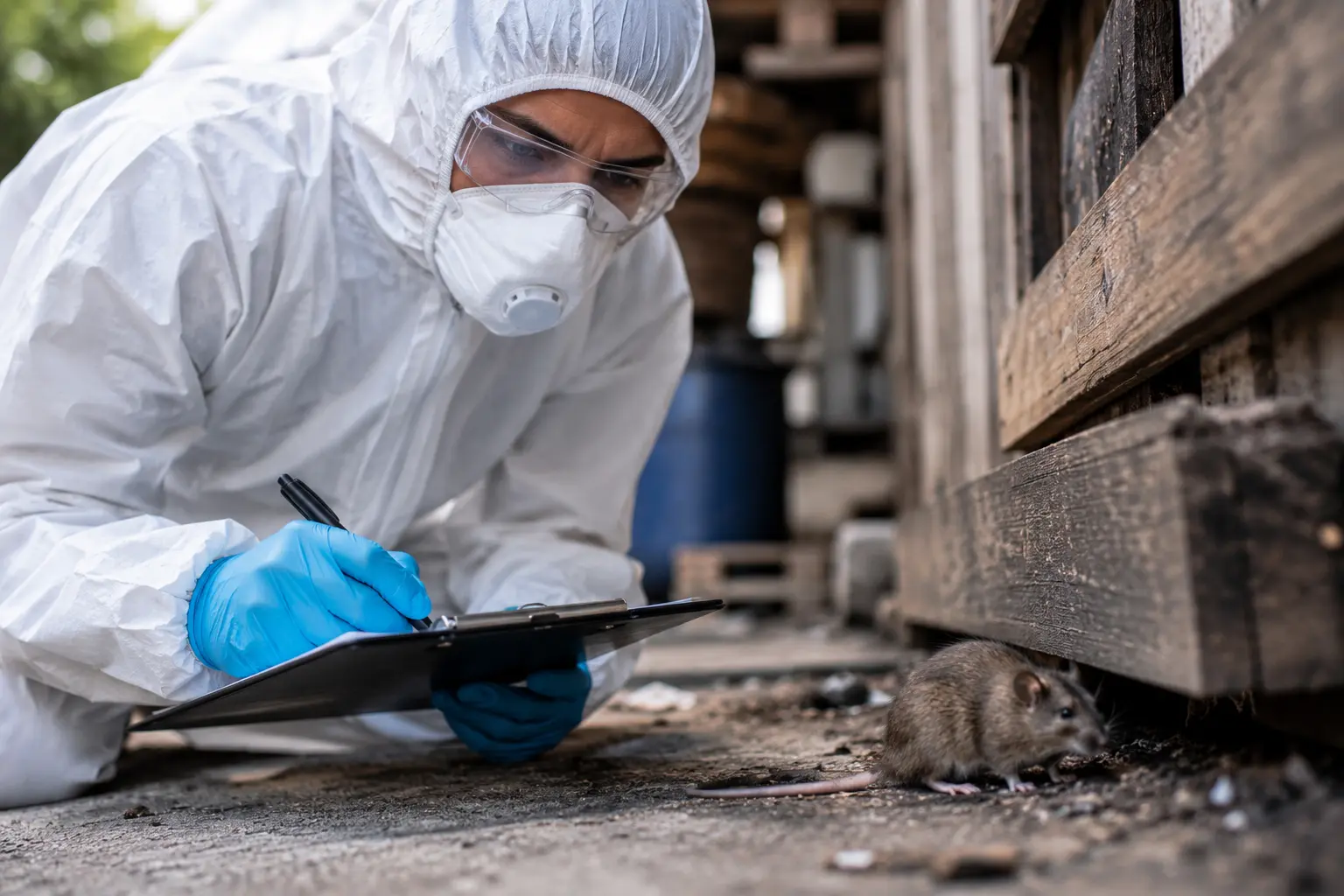
You’re cleaning out your garage or hiking through the woods and suddenly you’re wondering if that dust or those droppings could kill you, and honestly, hantavirus and rodents is the kind of threat that keeps people up at night because nobody really knows what they’re dealing with.
Understanding hantavirus transmission
Here’s where most people get it wrong: hantavirus doesn’t spread like the flu. It’s not lurking in the air waiting to jump from person to person. Instead, the virus lives in infected rodents, primarily deer mice, and gets transmitted when you come into contact with their urine, feces, or saliva. Picture this: you’re cleaning an old shed and disturb a nest of mice. As you sweep, tiny particles from their droppings become aerosolized and you inhale them without even realizing it. That’s the real danger. The virus enters through your respiratory tract, not through your skin or by shaking hands with someone who’s sick. This is why healthcare workers don’t need special precautions around hantavirus patients, but people handling rodent-infested spaces absolutely do. Understanding this distinction changes everything about how you protect yourself.
Symptoms of hantavirus infection
The tricky part about hantavirus is that it doesn’t announce itself loudly at first. Early symptoms feel deceptively ordinary: fever, muscle aches, fatigue, headache, and sometimes chills. You might think you’re coming down with the flu. But here’s where it gets serious: within days, the infection can escalate to severe respiratory distress, difficulty breathing, and fluid in the lungs. Some people experience nausea, vomiting, and abdominal pain before the respiratory phase hits. The progression can be rapid and unpredictable. A young adult might feel fine on Monday and be struggling to breathe by Wednesday. This is why early recognition matters so much. If you’ve had potential rodent exposure and develop these symptoms, medical professionals need to know that history immediately. They can run specific tests and begin supportive care before things deteriorate. Waiting it out or assuming it’s just a bad cold could be dangerous.
Preventive measures for hantavirus
Prevention isn’t complicated, but it requires consistency. Start by making your living space inhospitable to rodents: seal gaps around pipes, vents, and foundation cracks with steel wool and caulk. Rodents can squeeze through openings the size of a dime, so be thorough. Store food in airtight containers, not just in your pantry. Keep your kitchen clean immediately after meals, and don’t leave pet food out overnight. If you discover evidence of rodents, never vacuum or sweep the droppings directly. Instead, spray the area with a disinfectant, let it sit for five minutes, then wipe it up with paper towels. When cleaning rodent-infested spaces, wear an N95 mask and gloves. Open windows for ventilation. These steps prevent you from inhaling aerosolized particles. If you’re camping or hiking in areas where rodents are present, avoid sleeping directly on the ground and keep your tent sealed. Store food away from your sleeping area. These practical habits significantly reduce your exposure risk.
- Regularly clean and disinfect areas where rodents may have been present, using proper ventilation and protective equipment like N95 masks.
- Store food in rodent-proof containers and keep your living space sealed by caulking gaps and using steel wool around entry points.
- Seek immediate medical attention if you suspect exposure to hantavirus, especially if you develop fever, muscle aches, or respiratory symptoms within two weeks.
🔬 Science-backed benefits in 2 minuteschoose where to begin:
Diagnosis and treatment options
Diagnosing hantavirus is genuinely challenging because the early symptoms overlap with dozens of other illnesses. Your doctor might initially suspect the flu or pneumonia. This is why your exposure history is critical: tell them if you’ve been in rodent-infested spaces, camping in rural areas, or handling materials where rodents might have been. Blood tests can detect hantavirus antibodies, and PCR testing can identify viral RNA. There’s no specific antiviral medication that kills hantavirus, so treatment focuses on supportive care. This means managing your symptoms, maintaining oxygen levels, and preventing complications like respiratory failure. In severe cases, patients may need mechanical ventilation in an ICU setting. Early hospitalization, even if you’re not critically ill yet, allows doctors to monitor you closely and intervene quickly if your condition worsens. Recovery depends on your immune system’s ability to fight the virus and your overall health status.
Global impact of hantavirus
Hantavirus isn’t confined to one region or one rodent species. Different strains exist worldwide, each with distinct characteristics. The Sin Nombre virus in North America causes hantavirus pulmonary syndrome. The Hantaan virus in Asia and Europe causes hemorrhagic fever with renal syndrome. These aren’t just academic distinctions; they affect how the disease progresses and how severe it becomes. Thousands of cases are reported globally each year, though exact numbers are hard to pin down because many cases go undiagnosed or unreported. Climate change is expanding rodent habitats and bringing them closer to human populations. Researchers are actively studying these viruses to improve diagnostic methods, develop better treatments, and understand why some people develop severe disease while others recover more easily. This ongoing research is essential because hantavirus remains a genuine threat, particularly as urbanization and environmental changes alter the landscape where humans and rodents interact.
Risk factors and vulnerable populations
Not everyone exposed to hantavirus develops severe infection, but certain factors increase your risk significantly. Outdoor workers like farmers, construction workers, and park rangers face higher exposure simply because of their job. Campers and hikers in rural areas, especially those who sleep in enclosed spaces where rodents might enter, are at risk. Age matters too: while hantavirus can affect anyone, older adults and people with compromised immune systems tend to develop more severe disease. If you have diabetes, heart disease, or chronic lung conditions, your body may struggle more to fight the infection. Smoking damages your respiratory tract, making you more vulnerable to severe respiratory complications. Even stress and poor sleep can weaken your immune response. Understanding your personal risk factors helps you decide how cautious to be. If you fall into a higher-risk category, taking extra precautions during outdoor activities or when dealing with potential rodent exposure makes real sense.
Hantavirus transmission occurs through contact with infected rodents, particularly when you inhale aerosolized particles from their droppings or urine. Early recognition of symptoms like fever and muscle aches is crucial because the infection can progress rapidly to severe respiratory distress. Preventive measures including home sealing, proper cleaning protocols, and protective equipment significantly reduce your exposure risk. Understanding the global diversity of hantavirus strains and recognizing your personal risk factors empowers you to make informed decisions about outdoor activities and rodent-related situations. Knowledge about this virus transforms it from a mysterious threat into something you can actually manage.
Can hantavirus be transmitted through person-to-person contact?
No, hantavirus is primarily transmitted through contact with infected rodents, not through person-to-person contact. You cannot catch hantavirus from someone who is sick with it.
What are the key preventive steps to avoid hantavirus infection?
Key preventive measures include maintaining cleanliness to prevent rodent infestations, sealing entry points to buildings with caulk and steel wool, using protective equipment when cleaning rodent-contaminated areas, and seeking immediate medical attention if you suspect exposure and develop symptoms.
Others also read:
Disclaimer: This article is for informational purposes only and is not a substitute for professional medical advice. Always consult a healthcare professional for personal guidance.
This article has been prepared and reviewed by the GlobalHealthBeacon editorial team and is based on current medical research and published scientific literature available in 2026. It provides structured, evidence-based information to support informed health decisions.
