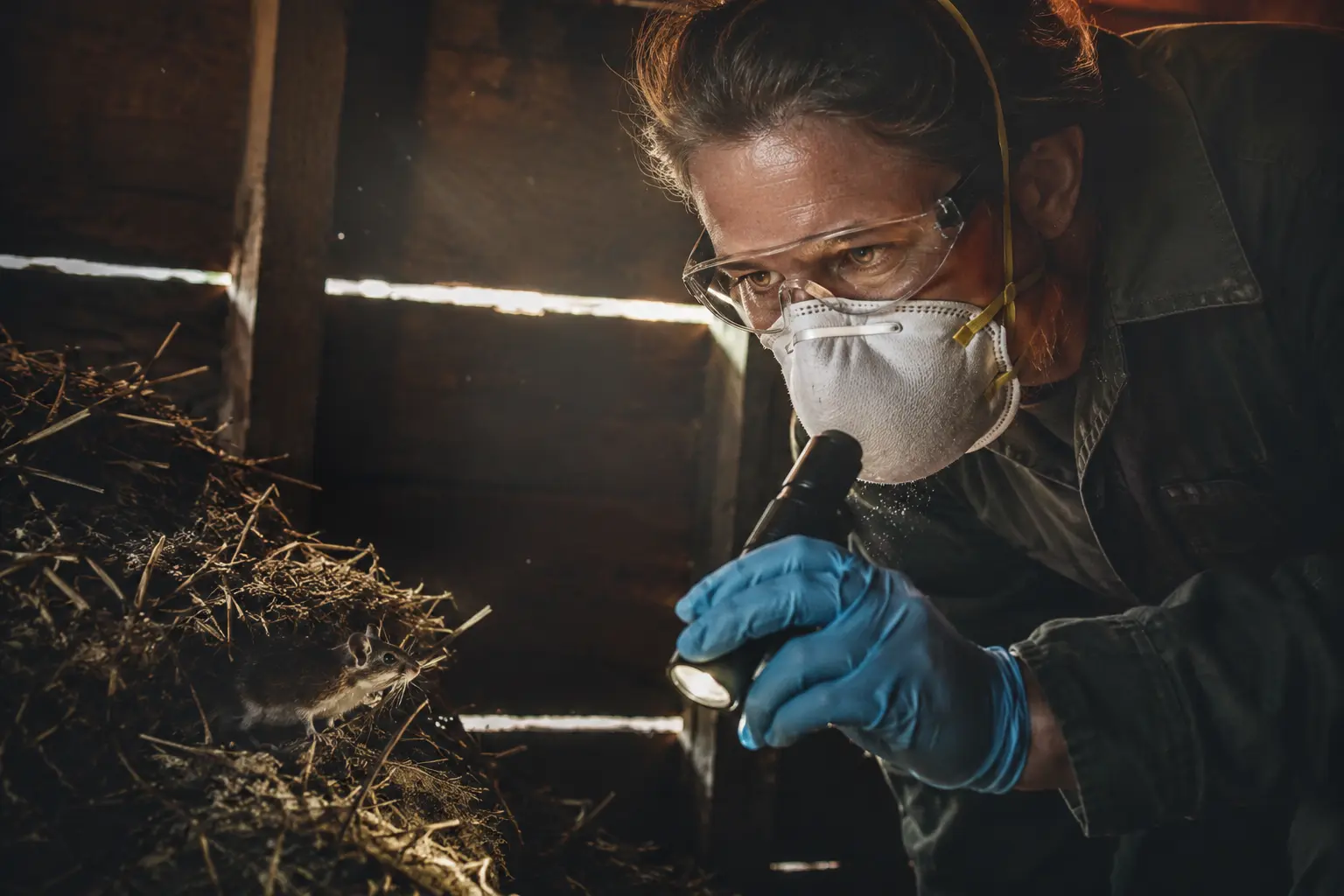
You’re cleaning out your garage or attic and suddenly feel a wave of panic about what might be lurking in those corners, and hantavirus explained simply means understanding that this isn’t just another health scare you can ignore.
What is hantavirus?
Hantavirus is a potentially life-threatening virus transmitted to humans primarily through contact with infected rodents, their urine, or droppings. The virus spreads when you inhale dust particles contaminated by rodent waste, which can happen more easily than you might think. Imagine cleaning a shed that hasn’t been touched in months, stirring up dust without realizing rodents nested there weeks ago. That invisible exposure is how many infections begin. The virus causes hantavirus pulmonary syndrome (HPS), a severe respiratory illness that progresses rapidly. Early symptoms feel like the flu: fatigue, fever, muscle aches, and shortness of breath. Within days, these can escalate to severe coughing, fluid in the lungs, and respiratory distress requiring hospitalization. What makes hantavirus particularly serious is how quickly it can overwhelm your respiratory system if left untreated. Seeking immediate medical attention at the first sign of exposure or symptoms is absolutely critical for survival and recovery.
- Hantavirus can cause hantavirus pulmonary syndrome (HPS), a severe respiratory illness that can be fatal if not treated promptly.
- Early symptoms of HPS include fatigue, fever, muscle aches, and shortness of breath, which can rapidly progress to coughing and severe respiratory distress.
- It is crucial to seek medical attention immediately if you suspect you have been exposed to hantavirus or are experiencing symptoms of HPS.
Prevention tips for women
Protecting yourself from hantavirus starts with understanding where the real risks hide in your daily life. When you’re handling stored items in basements, attics, or garages, wear an N95 mask and gloves to create a barrier between you and potential contamination. Seal any gaps or cracks in your home’s foundation and walls where rodents might enter, especially as seasons change. Keep your living spaces clean and clutter-free because rodents are attracted to places where they can hide and nest undisturbed. Store food in airtight containers, remove trash regularly, and don’t leave pet food out overnight. If you discover rodent droppings, never sweep or vacuum them directly, as this creates airborne particles. Instead, spray the area with disinfectant, let it sit for five minutes, then carefully wipe it up with paper towels. Wash your hands thoroughly afterward. Consider having a professional pest control service inspect your home annually, especially if you live in areas where hantavirus is more common. These practical steps significantly reduce your exposure risk.
📘 Fix your day in under 2 minuteschoose where to begin:
Recognizing symptoms
Hantavirus symptoms often mimic the flu, which is why awareness matters so much. The initial phase typically begins with fever, muscle aches, fatigue, and sometimes headaches or chills. You might feel like you’re coming down with a cold, but the intensity and progression are different. Within three to ten days after exposure, you may experience shortness of breath, chest tightness, or a dry cough. This is when hantavirus becomes dangerous. Your lungs can fill with fluid rapidly, making it harder to breathe. Some women describe feeling like they’re suffocating or that something heavy is sitting on their chest. If you’ve had any potential exposure to rodents in the past two weeks and develop these symptoms, don’t wait to see if they improve on their own. Contact your healthcare provider immediately and mention the possible rodent exposure. Early diagnosis through blood tests can confirm hantavirus infection, allowing doctors to provide supportive care before the condition becomes critical. Time is genuinely a factor in survival.
Seeking medical help
The moment you suspect hantavirus exposure or notice symptoms, your priority is getting professional medical evaluation without delay. Call your doctor or go to an emergency room and clearly explain that you may have been exposed to rodents or their droppings. This information helps medical staff recognize the possibility of hantavirus and run appropriate tests. There is no specific cure for hantavirus, but early hospitalization and supportive care make a significant difference in outcomes. Doctors monitor your oxygen levels, manage fluid balance in your lungs, and provide respiratory support if needed. Some patients require mechanical ventilation to help them breathe while their body fights the infection. The survival rate improves dramatically with early intervention and proper medical care. Don’t minimize your symptoms or assume they’ll resolve on their own. Hantavirus progresses quickly, and waiting even a few days can mean the difference between manageable treatment and critical illness. Your healthcare provider needs to know your exposure history to make the right diagnosis and provide the right care.
Educating others
You have influence in your family and social circles, and sharing hantavirus awareness helps protect people you care about. Many people don’t realize how common rodent exposure is or how serious the consequences can be. Talk to your family about safe practices when cleaning storage areas or handling potential rodent contamination. Teach children not to touch rodents, droppings, or nesting materials, and explain why wearing masks and gloves matters during cleanup. If you know someone planning to clean an attic, garage, or basement, remind them about the risks and proper precautions. Share this information with friends who camp, hike, or spend time in rural areas where rodent exposure is more likely. Encourage your workplace to implement rodent control measures and educate employees about hantavirus risks. When people understand the real danger and the simple steps that prevent infection, they’re more likely to protect themselves. Your willingness to have these conversations could literally save someone’s life by prompting them to seek medical care quickly if symptoms appear.
Hantavirus is a serious virus spread by rodents that can cause severe respiratory illness. Women can protect themselves by practicing good hygiene, recognizing symptoms early, seeking prompt medical help, and educating others about hantavirus risks.
How is hantavirus transmitted?
Hantavirus is primarily transmitted to humans through contact with infected rodents, their droppings, or urine. The virus is commonly spread through inhalation of contaminated dust particles. You can also contract it by touching contaminated surfaces and then touching your face, though airborne transmission through dust is the most common route.
What are the early symptoms of hantavirus infection?
Early symptoms of hantavirus infection may include fatigue, fever, muscle aches, and shortness of breath. These symptoms can rapidly progress to severe respiratory distress in some cases. The illness typically begins like the flu but worsens quickly, so any respiratory symptoms following potential rodent exposure warrant immediate medical evaluation.
Others also read:
Disclaimer: This article is for informational purposes only and is not a substitute for professional medical advice. Always consult a healthcare professional for personal guidance.
This guide has been prepared and reviewed by the GlobalHealthBeacon editorial team and reflects current medical research as of 2026. It provides structured, evidence-based information to support informed health decisions.
