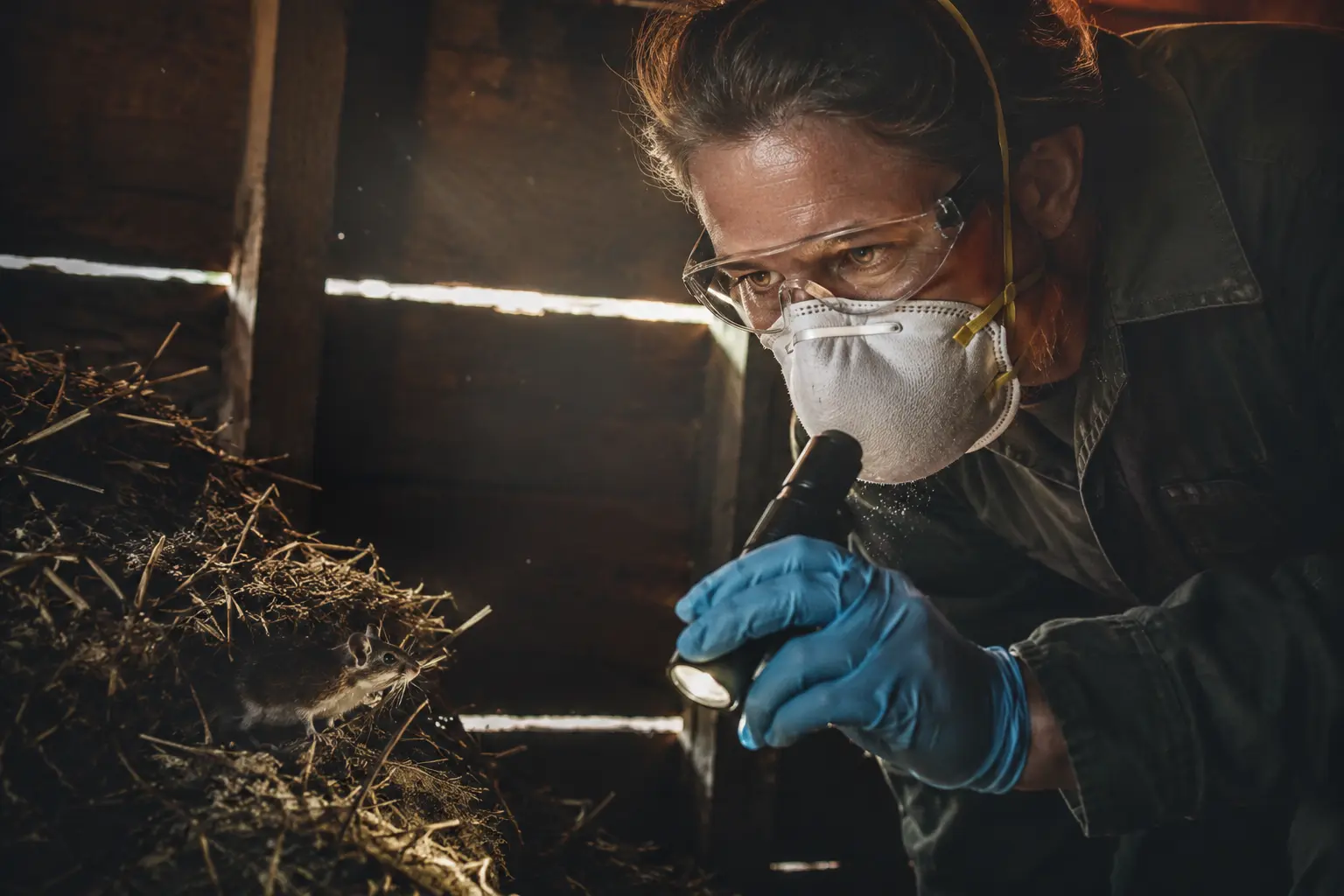
You’re feeling sick, exhausted, and your chest hurts when you breathe, but you have no idea why – hantavirus explained simply means understanding that this rare but serious virus spreads through rodent contact and you can absolutely protect yourself with the right knowledge and action.
Understanding the basics of hantavirus
Hantavirus is a serious illness that spreads through contact with infected rodents, and it’s important to understand exactly how this happens so you can recognize the real threat versus unnecessary panic. The virus lives in the droppings, urine, and saliva of infected rodents like deer mice, and when you’re exposed to contaminated areas, you can inhale tiny particles that carry the virus into your lungs. Imagine cleaning out an old shed or cabin and stirring up dust from rodent droppings without protective gear – that’s a real exposure scenario. Young adults often encounter this risk when camping, hiking, or cleaning storage spaces. The virus doesn’t spread through bites or direct contact with living rodents; instead, it’s the dried particles that become dangerous. Early symptoms like fever, muscle aches, and fatigue can appear one to eight weeks after exposure, which is why many people don’t immediately connect their illness to a past rodent encounter. Understanding this timeline and transmission method is crucial because it helps you recognize when you might have been exposed and seek medical help before symptoms become severe.
- Symptoms include fever, muscle aches, and fatigue that progress to coughing and shortness of breath.
- Transmission occurs through inhaling virus particles from rodent droppings, urine, or saliva in enclosed spaces.
- Early diagnosis and medical intervention are key to recovery and preventing serious respiratory complications.
Preventive measures for young adults
Young adults can protect themselves from hantavirus by taking simple yet effective precautions that fit into your lifestyle without requiring major changes. Start by sealing entry points in your home where rodents might enter, like gaps around pipes, cracks in foundations, or holes near windows and doors – even a small opening is an invitation. If you live in or frequently visit rural areas, basements, or older buildings, inspect these spaces regularly for signs of rodent activity like droppings, gnaw marks, or nesting materials. When you’re planning outdoor activities like camping or hiking, choose your campsite carefully by avoiding areas with visible rodent burrows or nests, and keep your tent and sleeping area clean and free of food debris. Store all food in sealed containers that rodents cannot access, and never leave snacks or trash exposed in your living space or campsite. Wear protective gear like gloves and masks when handling items that might have been contaminated, such as old boxes in storage or camping equipment that’s been sitting unused. The key is building these habits into your routine so prevention becomes automatic rather than something you have to think about constantly.
📘 Fix your day in under 2 minuteschoose where to begin:
Cleaning and disinfection tips
Proper cleaning practices are fundamental in reducing your risk of hantavirus transmission, especially when you’re dealing with spaces where rodents have been present. Before you start cleaning any potentially contaminated area, put on disposable gloves and a mask rated N95 or higher to protect your respiratory system from airborne particles. Never use a vacuum cleaner or broom on rodent droppings because these tools kick up particles into the air, which is exactly what you’re trying to avoid – instead, spray the area with a disinfectant solution first to dampen the particles and prevent them from becoming airborne. Let the disinfectant sit for a few minutes, then carefully wipe up the droppings with paper towels or cloth, placing everything in a sealed bag for disposal. Open windows and doors to ensure proper ventilation throughout the cleaning process, and consider wearing a respirator if you’re cleaning a large area or if the space has been closed off for a long time. After cleaning, wash your hands thoroughly with soap and water, and clean any tools or surfaces that came into contact with the contaminated area. This methodical approach transforms a potentially dangerous task into a safe procedure that you can handle confidently.
Outdoor precautions
When spending time outdoors, young adults should be mindful of rodent habitats and adjust your behavior accordingly to minimize exposure risk. Before setting up camp, scout the area for rodent burrows, nests, or droppings – these are clear signals to choose a different location. Keep your campsite organized by storing all food, toiletries, and trash in sealed containers or bear-proof boxes, and never leave food sitting out overnight or unattended during the day. When hiking, stick to established trails rather than bushwhacking through dense vegetation where rodents are more likely to be active. If you’re staying in a cabin or rustic shelter, inspect it for signs of rodent activity and avoid sleeping on bedding or in areas that show evidence of infestation. Maintain good hygiene practices by washing your hands before eating and after handling items that might have been contaminated, and avoid touching your face, mouth, or eyes while outdoors until you’ve washed up. If you’re handling firewood, camping gear, or other items that have been stored outdoors, wear gloves and inspect them for rodent nests or droppings before bringing them into your living space. These outdoor precautions become second nature once you understand the connection between your environment and your health.
Seeking medical attention
If you suspect you have been exposed to hantavirus or experience symptoms such as coughing, shortness of breath, chest pain, or severe fatigue, seek medical help immediately rather than waiting to see if symptoms improve on their own. The critical window for treatment is early in the illness, so don’t delay because you’re unsure whether your symptoms are serious enough to warrant a doctor visit. When you contact your healthcare provider, mention any potential rodent exposure you’ve had in the past one to eight weeks, including activities like camping, cleaning storage spaces, or working in rural areas. This information helps your doctor consider hantavirus as a possible diagnosis and order appropriate tests. Hantavirus is diagnosed through blood tests that detect antibodies or the virus itself, and early detection can significantly improve your outcome by allowing doctors to monitor your respiratory function and provide supportive care before the illness becomes severe. If you’re experiencing difficulty breathing or chest pain, go to an emergency room rather than waiting for a regular appointment. Remember that hantavirus can progress quickly once respiratory symptoms appear, so erring on the side of caution is always the right choice. Your doctor can provide antiviral treatment and respiratory support that can be lifesaving if administered early.
Hantavirus poses a serious threat to young adults, but by understanding the basics of the virus, implementing preventive measures like sealing your home and avoiding rodent habitats, practicing proper cleaning techniques with protective gear, taking outdoor precautions when camping and hiking, and seeking prompt medical attention if you suspect exposure or experience symptoms, young adults can effectively reduce their risk of hantavirus infection and stay healthy.
Can hantavirus be transmitted from person to person?
No, hantavirus is primarily spread through contact with infected rodents and their excreta. Person-to-person transmission is rare.
Is there a vaccine available for hantavirus?
Currently, there is no approved vaccine for hantavirus. Prevention through avoiding contact with rodents and practicing good hygiene is key.
Others also read:
Disclaimer: This article is for informational purposes only and is not a substitute for professional medical advice. Always consult a healthcare professional for personal guidance.
This guide has been prepared and reviewed by the GlobalHealthBeacon editorial team and reflects current medical research as of 2026. It provides structured, evidence-based information to support informed health decisions.
