You’re feeling feverish and exhausted, your muscles ache like you’ve been hit by a truck, and something just feels deeply wrong – but it’s not the flu you expected, and hantavirus explained simply might be the clarity you desperately need to understand what’s actually happening in your body.
What is hantavirus?
Hantavirus is a serious viral infection that spreads to humans primarily through contact with infected rodents, particularly deer mice, cotton rats, and rice rats. The virus lives in the saliva, urine, and droppings of these animals, and when humans inhale dust particles containing the virus or touch contaminated surfaces without protection, infection can occur. The most severe form is hantavirus pulmonary syndrome (HPS), which attacks the lungs and can progress rapidly. Understanding how this virus works helps explain why certain environments pose higher risks. For instance, a woman cleaning out a garage or attic without proper protection faces greater exposure than someone in an urban apartment. The virus doesn’t spread through the air in typical ways; instead, it requires direct contact with rodent materials or inhalation of aerosolized particles from contaminated environments. This distinction is crucial because it means the risk is largely preventable through awareness and proper precautions.
Symptoms of hantavirus
The early stages of hantavirus infection often feel deceptively like a common cold or flu, which is why many people don’t seek help immediately. Within one to five weeks of exposure, symptoms typically emerge: persistent fatigue that feels disproportionate to activity level, muscle aches throughout the body, fever that may spike and fall unpredictably, and shortness of breath that worsens with exertion. Some women report headaches, dizziness, and gastrointestinal symptoms like nausea or abdominal pain. As the infection progresses into the critical phase, breathing becomes increasingly difficult, chest tightness develops, and coughing may become severe. The danger lies in the rapid progression; what feels like manageable flu symptoms can escalate to respiratory distress within days. This is why recognizing the pattern matters: if you’ve had potential rodent exposure and develop these symptoms together, seeking medical evaluation promptly becomes essential rather than waiting to see if it passes on its own.
Risk factors and prevention
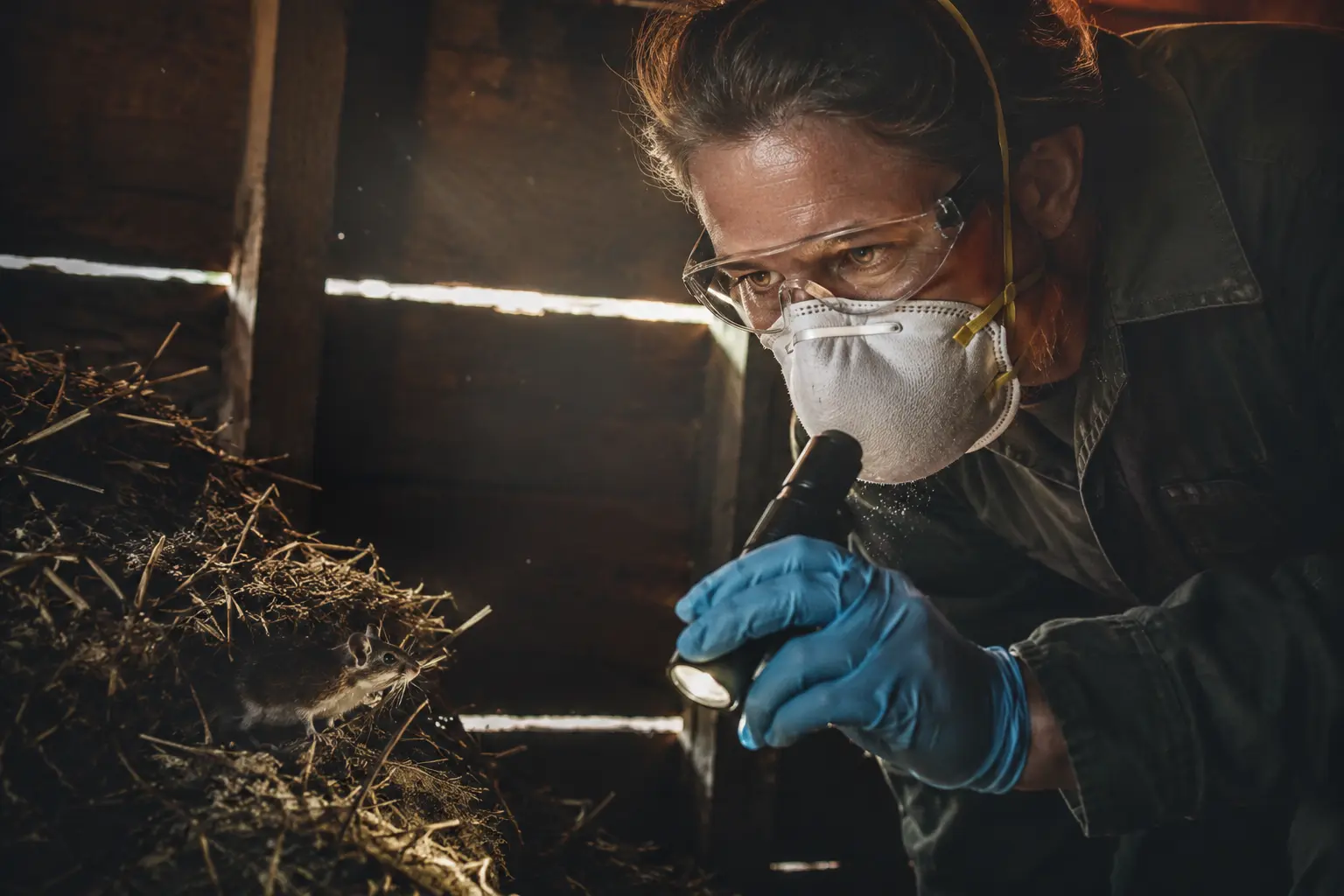
Women in certain situations face elevated hantavirus risk, particularly those who camp, hike in rural areas, work in agriculture, or live in homes with rodent problems. Seasonal factors matter too; rodents seek shelter indoors during colder months, increasing household exposure risk. A woman might unknowingly encounter the virus while cleaning a storage shed, handling firewood stacks where mice nest, or even unpacking boxes stored in an attic for years. Prevention requires a multi-layered approach rather than relying on a single strategy. Beyond the basic steps of rodent control, understanding the specific behaviors that create risk helps. For example, sweeping or vacuuming dried rodent droppings without dampening them first can aerosolize virus particles, making inhalation more likely. Wearing an N95 mask, gloves, and eye protection when cleaning potentially contaminated areas significantly reduces risk. Proper ventilation during cleanup, disposing of materials in sealed bags, and washing hands thoroughly afterward form a complete protective routine that transforms a dangerous task into a manageable one.
- Keep your home clean and clutter-free to deter rodent infestations by removing food sources, sealing containers, and eliminating hiding spaces.
- Seal any cracks or openings in your home to prevent rodents from entering, paying special attention to gaps around pipes, vents, and foundation areas.
- Set traps or use baits to control rodent populations in and around your living space, checking them regularly and disposing of dead rodents safely using protective equipment.
🔬 Science-backed benefits in 2 minuteschoose where to begin:
Diagnosis and treatment
Diagnosing hantavirus requires medical professionals to piece together clinical clues because early symptoms mimic many other illnesses. Doctors consider your exposure history, symptom pattern, and timing carefully. Blood tests can detect antibodies to hantavirus, though results may take several days. Chest X-rays often show characteristic lung patterns that help confirm suspicion. The challenge is that early diagnosis depends on thinking about hantavirus in the first place, which means mentioning any rodent exposure to your healthcare provider. Treatment focuses entirely on supportive care because no antiviral medication specifically targets hantavirus. This means supplemental oxygen to help your lungs function, intravenous fluids to maintain hydration and organ function, and careful monitoring in an intensive care setting. Managing blood pressure and preventing fluid buildup in the lungs become critical interventions. Early hospitalization and aggressive supportive care significantly improve survival rates, which is why seeking medical attention at the first sign of concerning symptoms matters tremendously, especially if you’ve had potential rodent exposure.
Research and outlook
Scientists worldwide continue investigating hantavirus to unlock better understanding of how it spreads, why some people develop severe disease while others have milder infections, and how genetic factors might influence susceptibility. Vaccine development remains an active research area, with several candidates in various stages of testing. Understanding the virus at a molecular level helps researchers identify potential drug targets that could eventually lead to antiviral treatments. Recent studies explore whether certain populations have natural resistance factors and how environmental conditions affect virus transmission. For women specifically, research into whether pregnancy or hormonal factors influence disease severity is ongoing. Staying informed about these developments empowers you to understand emerging health threats and make informed decisions about prevention. Following reputable sources like the CDC and WHO ensures you receive accurate information as new findings emerge. This knowledge transforms hantavirus from a mysterious threat into something you can actively protect yourself against through understanding and preparation.
Precautionary measures to consider
Women who may encounter hantavirus risk should develop a practical safety routine rather than living in fear. When cleaning areas where rodents may have been present, wearing an N95 mask, disposable gloves, and eye protection creates a protective barrier against aerosolized particles. Opening windows for ventilation and dampening surfaces before cleaning prevents dust from becoming airborne. If you discover rodent droppings, avoid direct contact; instead, spray the area with disinfectant, let it sit briefly, then carefully collect materials into sealed bags for disposal. Keep emergency contact information for local poison control and hospitals readily available. If symptoms suggestive of hantavirus infection develop after potential exposure, seek medical attention promptly and specifically mention the rodent exposure to healthcare providers. This helps doctors consider hantavirus early rather than treating you for presumed flu. Taking these precautions transforms potentially dangerous situations into manageable ones, allowing you to maintain your home and outdoor activities safely.
Hantavirus is a serious viral infection transmitted through contact with infected rodents that can develop into life-threatening respiratory illness. Understanding the specific risk factors, recognizing early symptoms, implementing practical prevention strategies, and knowing when to seek medical care empowers women to protect themselves effectively from this potentially deadly virus.
Can hantavirus be transmitted from person to person?
Hantavirus is primarily transmitted to humans through contact with infected rodents or their droppings, and there is limited evidence of person-to-person transmission. The virus requires direct contact with rodent materials or inhalation of aerosolized particles from contaminated environments.
Is there a vaccine available for hantavirus?
Currently, there is no commercially available vaccine for hantavirus in most countries. Prevention through controlling rodent populations, avoiding direct contact with rodents, and using protective equipment when cleaning potentially contaminated areas remains the primary defense strategy.
Others also read:
Disclaimer: This article is for informational purposes only and is not a substitute for professional medical advice. Always consult a healthcare professional for personal guidance.
This article has been prepared and reviewed by the GlobalHealthBeacon editorial team and is based on current medical research and published scientific literature available in 2026. It provides structured, evidence-based information to support informed health decisions.
