You wake up feeling absolutely wrecked, muscles screaming, chest tight, and you can’t shake this bone-deep exhaustion that feels nothing like a regular flu, so here’s hantavirus explained simply: it’s a serious virus spread by rodents that mimics illness but escalates fast, and knowing the difference could literally save your life.
Recognizing hantavirus symptoms
Picture this: you’ve been feeling off for a few days. First comes the fever and those deep muscle aches that make even rolling over in bed feel like climbing a mountain. You might think it’s just the flu, so you rest and wait it out. But then something shifts. The cough starts, and it’s not the gentle kind. Your breathing feels labored, like you’re trying to inhale through a straw. This is where hantavirus differs from ordinary illness. While early symptoms mimic flu perfectly, the respiratory component is the red flag that demands immediate medical attention. Women often describe this progression as alarming because it sneaks up gradually, then suddenly feels urgent. The shortness of breath can worsen rapidly, transforming from mild discomfort to genuine distress within hours. Recognizing this escalation pattern is crucial because early intervention changes outcomes significantly.
- Fever and muscle aches
- Shortness of breath
- Coughing and respiratory distress
How hantavirus spreads
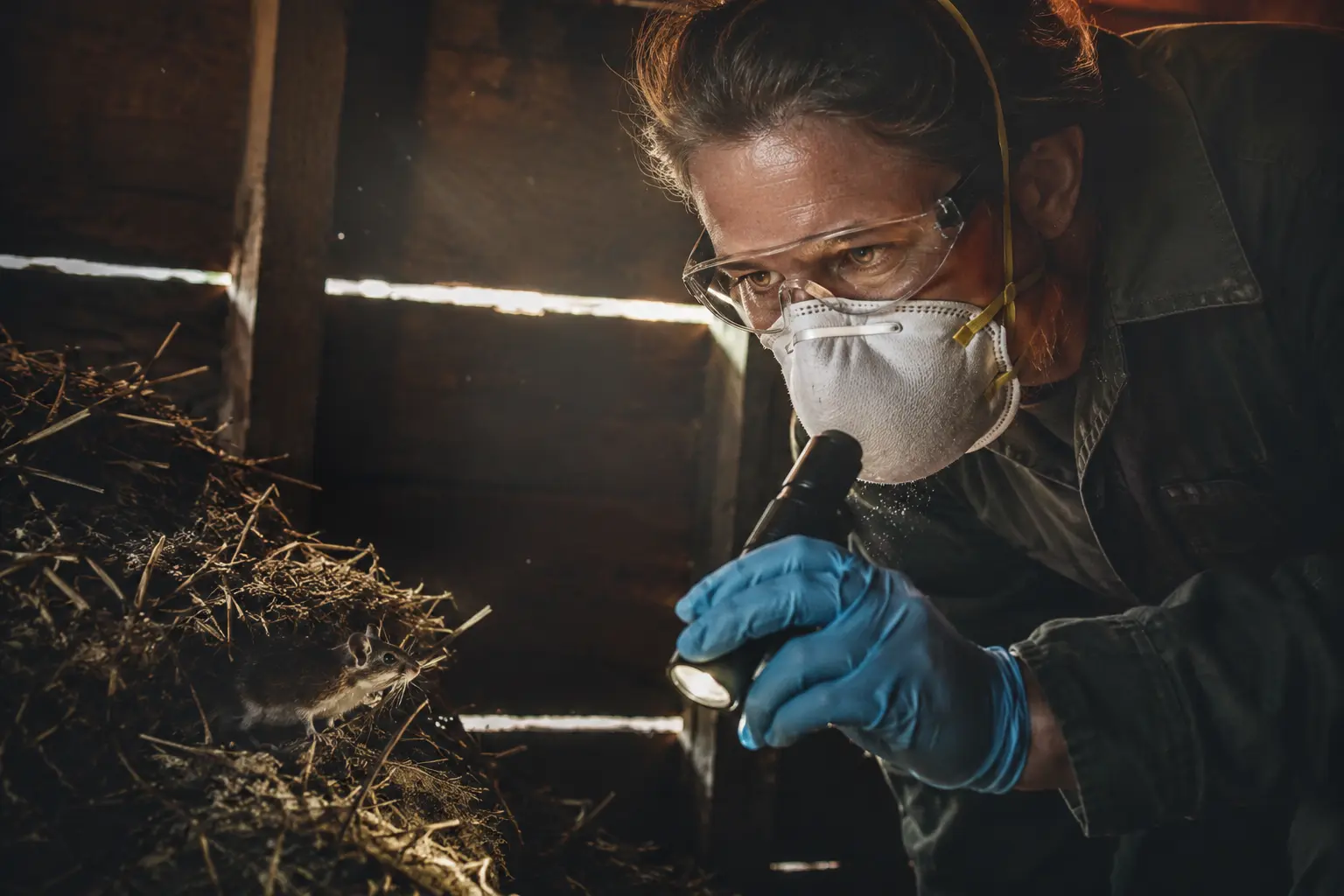
Hantavirus lives in rodent populations, particularly deer mice, and spreads when you encounter their droppings, urine, or saliva. Imagine discovering mouse droppings in your attic or garage. Your instinct might be to quickly sweep them up, but this is exactly when transmission risk peaks. When you disturb contaminated areas, virus particles become airborne and enter your lungs through inhalation. Many women don’t realize they’re at risk until after exposure has already happened. The virus doesn’t spread person-to-person, which means your family members won’t catch it from you, but your home environment might harbor it. Proper cleanup requires specific precautions: wearing gloves and masks, ensuring strong ventilation by opening windows, and using disinfectants appropriately. Simply put, understanding transmission routes helps you identify risk situations in your daily life and take protective action before exposure occurs.
💬 Ready to feel better in 2 minutes?choose where to begin:
Preventing hantavirus infection
Prevention starts with making your living space inhospitable to rodents. Seal cracks and gaps around pipes, vents, and foundation areas where mice can squeeze through. Store food in sealed containers and eliminate clutter where rodents hide. If you discover droppings, never vacuum or sweep them dry. Instead, spray the area with disinfectant, let it sit for five minutes, then wipe with paper towels and dispose of them in sealed bags. Wear disposable gloves and an N95 mask during this process. Women living in rural areas or older homes face higher risk, so being proactive matters even more. Keep your workspace organized, especially if you work in storage areas, sheds, or basements. Regular inspections catch rodent activity early before contamination spreads. These preventive steps might feel tedious, but they’re genuinely effective at reducing your exposure risk dramatically.
Coping with hantavirus concerns
The anxiety around hantavirus is real, especially if you’ve discovered rodent signs in your home or experienced unexplained respiratory symptoms. That fear is valid, but it shouldn’t paralyze you. Knowledge becomes your best coping tool. Understanding exactly how transmission works helps you separate actual risk from worst-case scenarios playing in your mind. Many women find relief in taking concrete preventive actions because it shifts them from helpless worry to empowered protection. If you experience symptoms like fever combined with respiratory distress, don’t wait or hope it passes. Seek medical evaluation promptly and mention potential rodent exposure. Early detection genuinely matters for treatment success. Connect with others who’ve navigated similar concerns through community forums or support groups. You’re not alone in this worry, and sharing experiences often reduces the isolation that anxiety creates. Stay informed through reliable health sources, follow prevention measures consistently, and remember that most people who seek timely care recover well.
Understanding hantavirus symptoms, transmission, and prevention is crucial for managing the risks associated with this potentially life-threatening virus. Recognizing symptoms early, taking preventive measures, and seeking prompt medical care can help protect yourself and your loved ones from hantavirus infection.
How can I differentiate hantavirus symptoms from the common flu?
While hantavirus symptoms may resemble the flu, the presence of respiratory distress, such as shortness of breath, sets it apart. If you experience such symptoms, seek immediate medical attention.
Is there a cure for hantavirus infection?
There is no specific cure for hantavirus infection. Treatment focuses on managing symptoms and providing supportive care. Early detection and medical intervention are critical for a better prognosis.
Others also read:
Disclaimer: This article is for informational purposes only and is not a substitute for professional medical advice. Always consult a healthcare professional for personal guidance.
This article presents an experience-based perspective and has been reviewed by the GlobalHealthBeacon editorial team in 2026. It provides structured, evidence-based information to support informed health decisions.
