You find a pile of droppings in your garage and suddenly feel that creeping dread, wondering if you’ve been exposed to something dangerous, and hantavirus explained simply means understanding exactly what you’re dealing with and how to protect yourself right now.
What is hantavirus and how does it spread?
Hantavirus is a serious infection carried by rodents like deer mice, cotton rats, and rice rats. When these animals leave behind droppings, urine, or saliva in your home, shed, garage, or barn, the virus can become airborne when you disturb contaminated materials. Picture this: you open a storage box in your basement that has been closed for months, and invisible particles from old rodent droppings float into the air as you move things around. That is how transmission happens. The virus enters your body through your nose or mouth when you breathe in these particles, or occasionally through cuts on your skin. It does not spread from person to person, which is reassuring, but it does mean you need to be careful in spaces where rodents have been active. Seniors face particular risk because immune systems naturally weaken with age, making it harder for your body to fight off the infection once it takes hold.
- Avoid contact with rodent droppings or nesting materials.
- Keep indoor areas clean and free of rodent infestations.
- Properly ventilate closed spaces before cleaning or entering.
Recognizing symptoms of hantavirus
Symptoms typically appear one to five weeks after exposure, though sometimes it takes longer. Early signs feel like a bad flu: fever, muscle aches, fatigue, and sometimes headaches or chills. You might feel so tired that ordinary tasks feel exhausting. As the infection progresses, you may develop a cough, shortness of breath, or chest discomfort. This is when hantavirus becomes dangerous, as it can lead to serious lung complications. The challenge for seniors is that these symptoms can mimic other common conditions, so you might dismiss them as regular flu or age-related tiredness. If you remember being in a space with rodents or rodent signs within the past month or two, and you develop these symptoms, that connection matters. Do not wait to see if symptoms improve on their own. Contact your doctor immediately and mention your potential rodent exposure. Early medical attention can make a significant difference in how your body handles the infection.
📘 Fix your day in under 2 minuteschoose where to begin:
Preventive measures for seniors
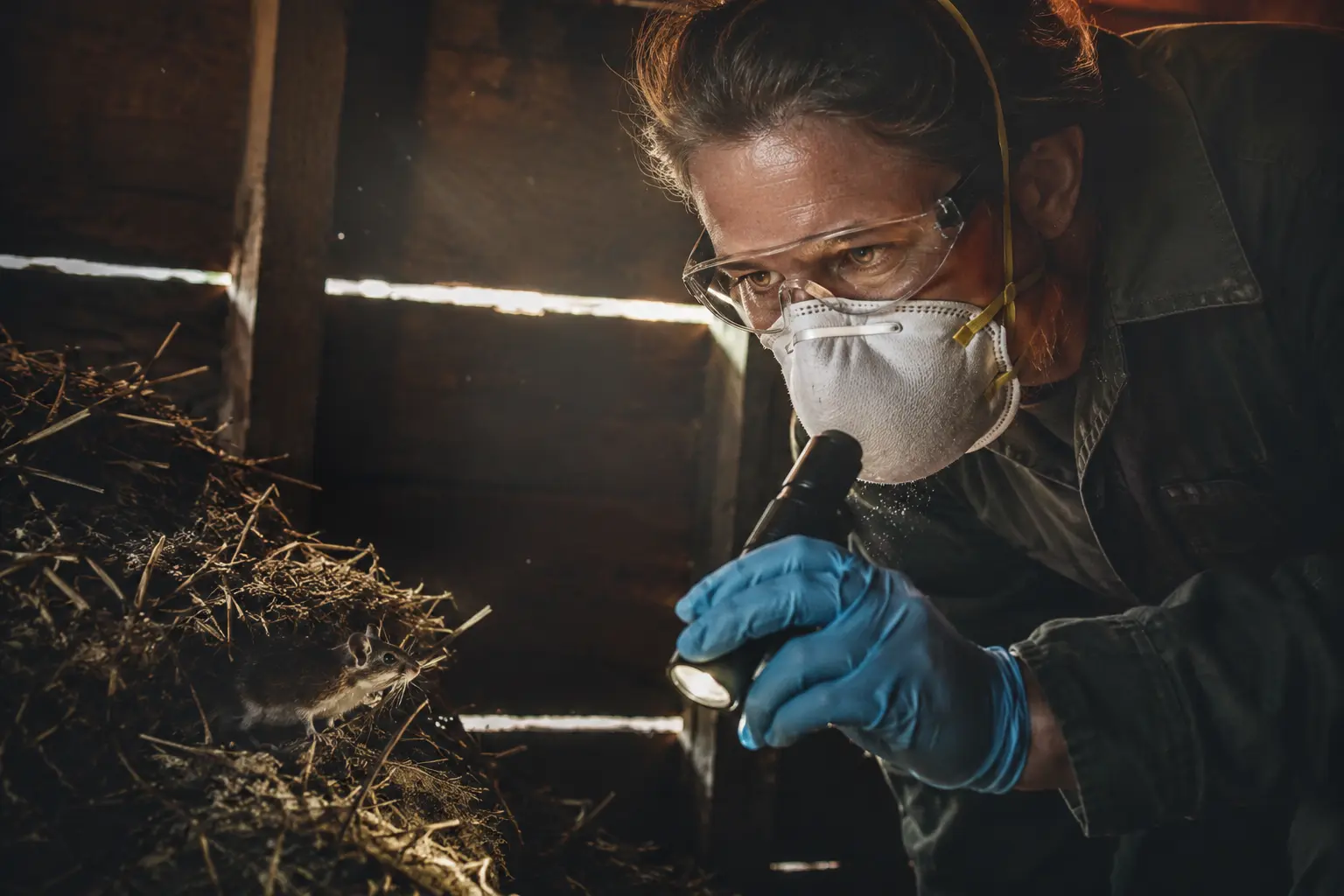
Taking preventive action is far easier than managing an infection. When you need to clean areas where rodents have been, wear disposable gloves, an N95 mask, and eye protection to shield yourself from particles. Older adults should consider asking family members or professionals to handle heavy cleaning in contaminated areas, as this reduces your direct exposure and physical strain. Seal gaps and cracks around your home where rodents enter, especially around pipes, vents, and foundation openings. Store food in airtight containers and remove clutter where rodents like to nest. Keep your living spaces well-ventilated and maintain good hygiene habits like washing your hands regularly, especially after handling items in storage areas or basements. If you live in a rural area or have a cabin or shed, inspect these spaces regularly for signs of rodent activity. Simple habits like these create layers of protection that significantly reduce your risk of ever encountering the virus.
Cleaning and disinfection guidelines
When you discover rodent droppings or nesting materials, the method you use to clean matters tremendously. Never dry sweep or vacuum, as this kicks particles into the air where you can breathe them in. Instead, spray the area lightly with a disinfectant solution or bleach mixture (one part bleach to nine parts water) and let it sit for several minutes to kill the virus. Then use damp paper towels or cloths to wipe up the droppings and nesting material. Dispose of everything in sealed plastic bags. For larger contaminated areas, open windows and doors to create cross-ventilation before you start cleaning, and keep them open during and for at least 30 minutes after you finish. Wear your protective gear the entire time. If you feel uncertain about any step or if the contamination is extensive, hiring a professional pest control or biohazard cleaning service is a smart choice. Your health is worth the investment, and professionals have the right equipment and training to do this safely.
Seeking medical advice
If you suspect exposure to hantavirus or develop symptoms that worry you, do not delay in contacting your healthcare provider. Call ahead and mention your potential rodent exposure so the medical team can prepare and take appropriate precautions. Your doctor may order blood tests to confirm whether you have hantavirus or another condition. There is no specific cure for hantavirus, but early medical care focuses on supportive treatment: managing your fever, monitoring your oxygen levels, and ensuring your body has the rest and fluids it needs to fight the infection. In some cases, hospitalization may be necessary, especially if your symptoms progress to respiratory distress. Catching the infection early and receiving professional medical support significantly improves outcomes. Do not try to manage this at home alone. Seniors benefit from having a healthcare team monitoring their condition closely, adjusting care as needed, and catching any complications before they become serious.
Understanding hantavirus transmission, recognizing symptoms, taking preventive measures, following cleaning guidelines, and seeking prompt medical advice are key elements in staying safe from this potentially dangerous virus.
Can pets transmit hantavirus to humans?
While pets can carry germs and parasites from rodents, direct transmission of hantavirus from pets to humans is rare. However, maintaining good hygiene around pets and avoiding contact with rodent-infested areas is advisable.
Is there a specific treatment for hantavirus infection?
There is no specific cure for hantavirus infection, but early medical intervention and supportive care can help manage symptoms and improve outcomes. Seeking medical advice promptly is essential.
Others also read:
Disclaimer: This article is for informational purposes only and is not a substitute for professional medical advice. Always consult a healthcare professional for personal guidance.
This guide has been prepared and reviewed by the GlobalHealthBeacon editorial team and reflects current medical research as of 2026. It provides structured, evidence-based information to support informed health decisions.
