That persistent cough that won’t quit, the bone-deep exhaustion that makes climbing stairs feel impossible, the sudden fever that leaves you shaking under blankets at 3am – these aren’t just signs of getting older, they could be hantavirus explained simply as a silent respiratory threat hiding in the spaces seniors spend the most time.
What is hantavirus?
Hantavirus is a rare but genuinely serious respiratory disease that most people have never heard of until it affects someone they know. It starts with infected rodents – mice, rats, and other small creatures that find their way into attics, basements, and storage areas where seniors often spend time organizing or cleaning. When these animals leave their droppings, urine, or saliva behind, tiny particles become airborne and that’s when danger strikes. You might inhale these particles while sweeping out a shed or reorganizing boxes in the garage. What makes it particularly concerning for seniors is that early symptoms mimic common ailments like the flu, making it easy to dismiss as just another seasonal bug. But hantavirus can escalate quickly into Hantavirus Pulmonary Syndrome, a condition where the lungs fill with fluid and breathing becomes severely compromised. Understanding this disease means recognizing that it’s not just about contact with rodents, it’s about the invisible particles they leave behind.
- Transmitted through inhaling tiny particles from rodent urine, feces, or saliva
- Early symptoms mimic the flu, including fever, muscle aches, and fatigue
- Severe cases can result in Hantavirus Pulmonary Syndrome, leading to respiratory failure
Symptoms and warning signs
Picture this: you wake up one morning feeling unusually tired, attributing it to poor sleep. A few days later, you develop muscle aches that feel like you’ve been working in the garden all day, except you haven’t. Then comes the fever, the chills, and a persistent cough that keeps you up at night. For seniors, these symptoms often get confused with the common cold or flu, which is exactly why hantavirus slips under the radar so easily. The tricky part is that early warning signs develop gradually over one to five weeks after exposure, so you might not immediately connect them to that time you cleaned out the garage. Watch carefully for respiratory distress that goes beyond typical seasonal congestion, shortness of breath that happens even when you’re resting, and a cough that doesn’t improve with standard remedies. Chest pain or pressure, rapid heartbeat, and difficulty breathing when lying flat are red flags that demand immediate attention. The key is recognizing when your symptoms cross from manageable discomfort into something more serious.
💬 Ready to feel better in 2 minutes?choose where to begin:
Prevention and protection
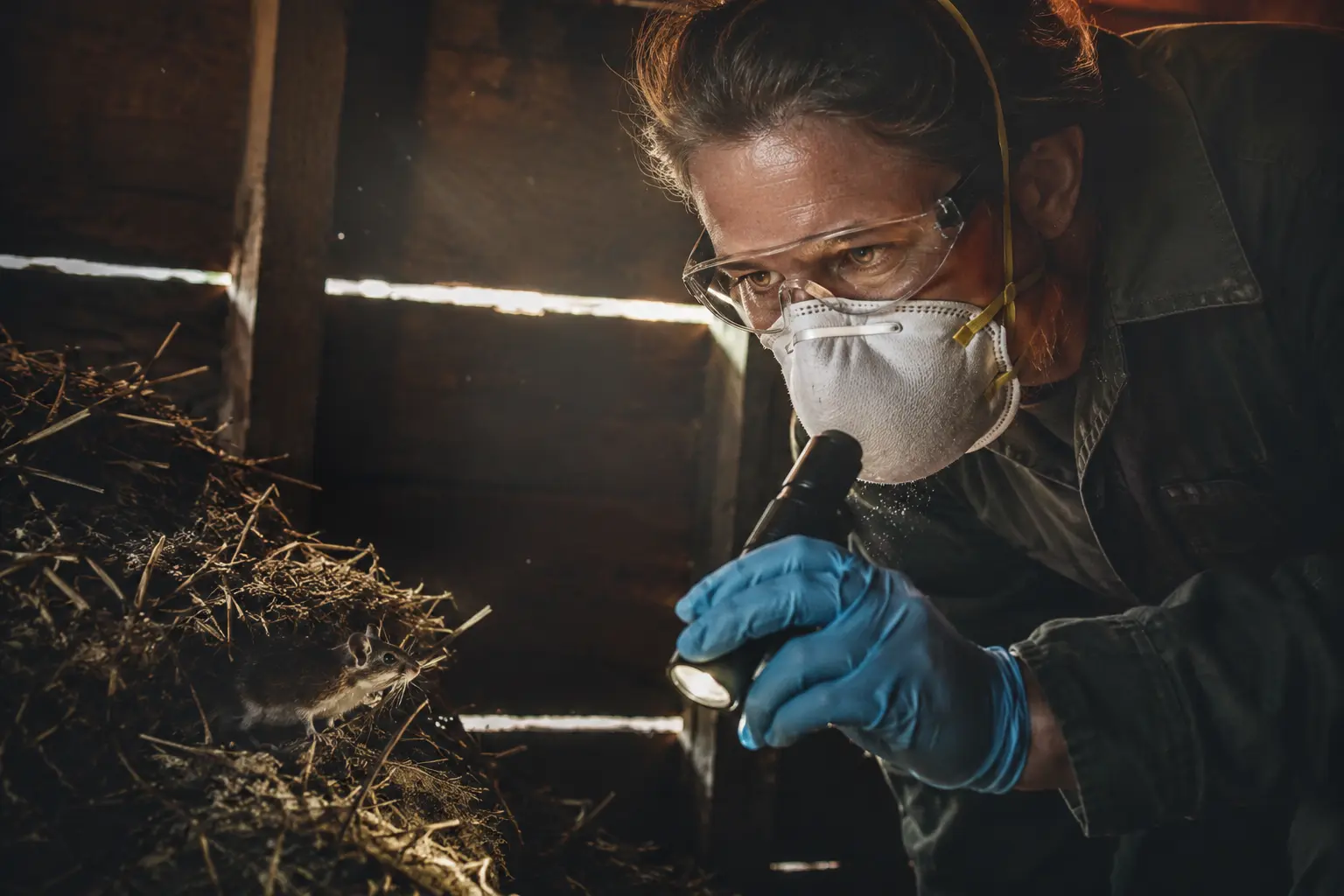
The best defense against hantavirus is preventing rodents from entering your home in the first place. Start by sealing gaps around pipes, vents, and foundation cracks where mice can squeeze through – they need surprisingly little space. Check door sweeps and weather stripping, and don’t overlook small openings around utility lines. When you do need to clean areas where rodents might have been, ventilate thoroughly by opening windows and letting fresh air circulate for at least 30 minutes before you begin. Wear disposable gloves and a respirator mask rated N95 or higher, not just a cloth mask. Spray the area lightly with disinfectant before sweeping to avoid stirring up particles into the air. Never use a vacuum or broom on potentially contaminated surfaces, as this creates aerosol clouds of dangerous particles. Store food in sealed containers, remove clutter where rodents hide, and consider setting traps or calling professionals if you suspect an infestation. These precautions might seem extensive, but they’re genuinely effective at keeping you safe.
Seeking immediate help
If you’re experiencing chest pain, severe cough, or difficulty breathing, don’t wait and see if it improves on its own. Call your doctor or go to the emergency room immediately. Tell them you suspect possible hantavirus exposure, especially if you’ve recently been in areas where rodents might live. Early diagnosis makes a real difference in outcomes. Your healthcare provider can run specific tests to confirm hantavirus and start appropriate treatment before complications develop. Don’t minimize your symptoms or assume they’re just part of aging. Respiratory distress in seniors can escalate quickly, and hantavirus is one condition where early intervention genuinely saves lives. If you’re unsure whether your symptoms warrant emergency care, it’s always better to err on the side of caution and get checked out.
Understanding hantavirus is vital for seniors to take preemptive measures against this silent threat. Recognizing the symptoms, practicing prevention, and seeking immediate medical help can save lives and protect against serious respiratory complications.
Can hantavirus be transmitted between humans?
No, hantavirus is not spread from person to person, only through direct contact with infected rodents or their waste.
What should seniors do if they suspect hantavirus exposure?
Seniors should contact a healthcare provider immediately if they believe they have been exposed to hantavirus, especially if experiencing symptoms like fever, muscle aches, or difficulty breathing.
Others also read:
Disclaimer: This article is for informational purposes only and is not a substitute for professional medical advice. Always consult a healthcare professional for personal guidance.
This article presents an experience-based perspective and has been reviewed by the GlobalHealthBeacon editorial team in 2026. It provides structured, evidence-based information to support informed health decisions.
