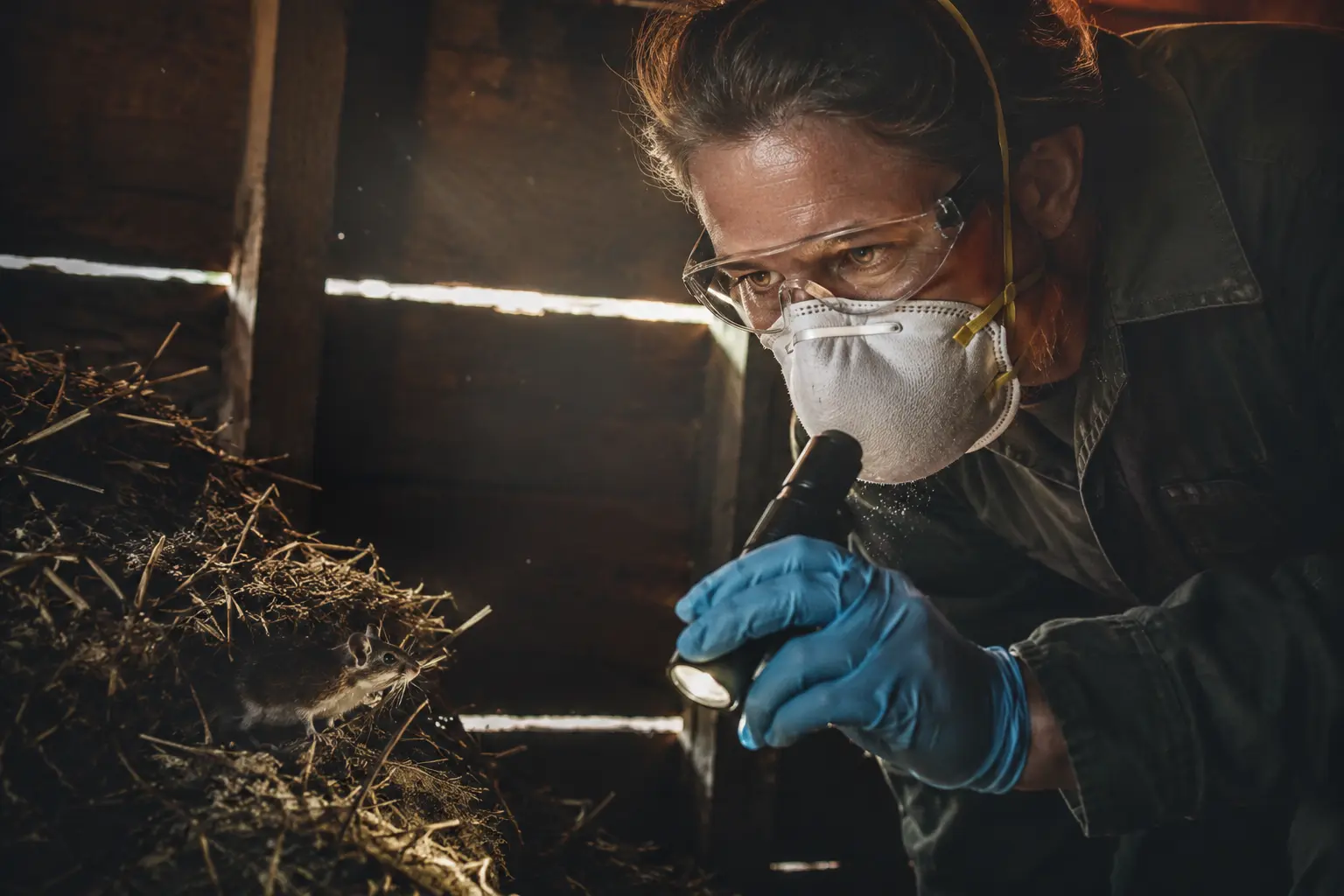
You’re cleaning out your garage or cabin, find rodent droppings, and suddenly feel that spike of worry – could this actually make you sick? Hantavirus explained simply: it’s a real threat from infected rodents that young adults need to understand, not panic about, but definitely respect.
Understanding hantavirus
Hantavirus is a rare but serious pathogen that primarily spreads through contact with infected rodents, particularly deer mice, cotton rats, and rice rats depending on your geographic location. The virus lives in the saliva, urine, and feces of these animals, and humans become infected when they inhale aerosolized particles or touch contaminated surfaces without protection. Think of it this way: you’re cleaning an old shed where mice have nested, stirring up dust that contains dried droppings. That dust becomes airborne, and if you breathe it in without a mask, the virus particles can reach your lungs. The biological mechanism involves the virus entering respiratory epithelial cells, where it replicates and spreads to other tissues. Different hantavirus strains exist worldwide, causing distinct diseases like Hantavirus Pulmonary Syndrome in North America and Hemorrhagic Fever with Renal Syndrome in Europe and Asia. Understanding these transmission routes and regional variations is crucial for young adults who spend time outdoors, work in agriculture, or maintain properties where rodents might nest.
Symptoms and complications
Hantavirus infection typically progresses through two distinct phases, starting with prodromal symptoms that mimic common illnesses. Initial signs include fever, muscle aches, headache, and fatigue that develop one to five weeks after exposure. Many young adults mistake these early symptoms for flu, which delays recognition and treatment. As the infection progresses into the cardiopulmonary phase, more serious complications emerge: shortness of breath, chest discomfort, and fluid accumulation in the lungs. In severe cases, the virus triggers a cascade of physiological responses leading to respiratory distress, hypoxemia, and potential organ failure. Some patients experience kidney involvement with elevated creatinine levels and electrolyte imbalances. The mortality rate for Hantavirus Pulmonary Syndrome ranges from 30 to 40 percent, making early medical intervention critical. A young adult who develops persistent fever and respiratory symptoms weeks after cleaning a rodent-infested area should immediately seek medical evaluation and inform their healthcare provider of potential hantavirus exposure. Recognizing this timeline and symptom progression can mean the difference between early supportive care and life-threatening complications.
Preventive measures
Preventing hantavirus infection requires a multi-layered approach combining environmental control, personal protection, and awareness. Young adults should recognize high-risk situations: cleaning abandoned buildings, working in agricultural settings, camping in rural areas, or maintaining properties with visible rodent activity. The most effective prevention starts with rodent exclusion, which means sealing entry points before an infestation occurs. This involves inspecting your living space for gaps around pipes, foundation cracks, and openings near roof lines, then using steel mesh or caulk to block these passages. When you must enter areas with known rodent activity, proper personal protective equipment is essential: N95 masks, gloves, and eye protection create a barrier against aerosolized particles. Ventilation matters significantly; open windows and use fans to dilute any airborne virus particles. Never use a vacuum or broom on rodent droppings, as this creates dangerous aerosols. Instead, spray the area with disinfectant, let it sit, then carefully collect debris with damp paper towels. A common mistake young adults make is underestimating the risk in rural vacation properties or family cabins that sit unused for months, creating ideal rodent nesting conditions. Regular inspection and maintenance of these spaces prevents dangerous accumulations.
- Avoid direct contact with rodents or their droppings by wearing gloves and masks when entering potentially contaminated areas.
- Seal cracks and openings in homes using steel mesh or caulk to prevent rodent entry and nesting.
- Clean up rodent-infested areas using protective gear including N95 masks, gloves, and eye protection with proper ventilation.
- Set traps to control rodent populations in and around living spaces, checking them regularly and disposing of dead rodents safely.
🔬 Science-backed benefits in 2 minuteschoose where to begin:
Diagnosis and treatment
Diagnosing hantavirus requires clinical suspicion combined with laboratory confirmation, which can be challenging because early symptoms resemble common viral illnesses. Healthcare providers typically order serological tests that detect IgM and IgG antibodies against hantavirus, though these may not appear until several days into illness. Reverse transcription polymerase chain reaction (RT-PCR) testing of blood or respiratory samples can identify viral RNA earlier in infection. A young adult presenting with fever, muscle aches, and respiratory symptoms following known rodent exposure should have hantavirus included in the differential diagnosis. Once diagnosed, treatment focuses on supportive care because no specific antiviral medication exists for hantavirus. This includes oxygen therapy to maintain adequate blood oxygen levels, mechanical ventilation if respiratory distress develops, and careful fluid management to prevent pulmonary edema. Patients may require intensive care monitoring, vasopressor support for blood pressure management, and dialysis if kidney function declines. Early hospitalization and aggressive supportive care significantly improve survival outcomes. The key is recognizing the exposure history and symptom pattern early enough to initiate appropriate medical intervention before the disease progresses to critical stages.
Research and future directions
Scientific investigation into hantavirus continues on multiple fronts, driven by the need to improve outcomes and prevent infections. Researchers are studying viral genetics to understand why certain strains cause more severe disease, examining host immune responses to identify factors that determine survival, and investigating potential vaccine candidates. Some promising vaccine developments have shown efficacy in animal models, though human trials remain limited. Diagnostic research focuses on developing rapid point-of-care tests that could identify hantavirus infection within hours rather than days, enabling faster treatment initiation. Epidemiological studies track rodent populations and viral prevalence in different regions, helping predict outbreak risks and guide prevention efforts. Climate change research explores how shifting temperatures and precipitation patterns affect rodent populations and hantavirus transmission dynamics. Young adults interested in public health careers will find growing opportunities in hantavirus surveillance, environmental health, and disease prevention. Increased funding and international collaboration are expanding our understanding of this rare but serious pathogen, ultimately benefiting communities at risk.
Global impact of hantavirus
Hantavirus affects populations across multiple continents, with distinct strains causing different disease presentations based on geography and rodent species. In North America, Sin Nombre virus causes Hantavirus Pulmonary Syndrome primarily in the southwestern United States, with cases occasionally reported in Canada and South America. Europe and Asia experience Hemorrhagic Fever with Renal Syndrome caused by Hantaan, Dobrava, and Seoul viruses, affecting thousands annually in countries like China, Korea, and Scandinavia. The global burden of hantavirus disease remains underestimated due to limited diagnostic capacity in some regions and the rarity of cases in developed nations. Young adults traveling internationally should understand regional risks: hiking in endemic areas of the American Southwest carries different exposure risks than visiting rural Asia. Climate change, urbanization, and agricultural expansion are altering rodent habitats and potentially increasing human-rodent contact in new regions. International surveillance networks now track hantavirus cases and share epidemiological data, improving our collective understanding of transmission patterns. Understanding this global perspective helps young adults appreciate that hantavirus is not merely a local concern but a worldwide public health issue requiring coordinated research and prevention strategies.
Hantavirus poses a serious health risk to individuals exposed to infected rodents, particularly in rural, agricultural, and wilderness settings. Understanding its transmission through rodent contact, recognizing the progression of symptoms from fever to respiratory distress, implementing preventive measures like rodent exclusion and personal protection, and knowing when to seek medical evaluation are essential for young adults. Ongoing research continues to improve diagnostic methods and explore vaccine possibilities, while global surveillance helps track this rare but dangerous virus across different regions and populations.
How is hantavirus transmitted to humans?
Hantavirus is primarily transmitted to humans through inhalation of aerosolized particles from infected rodent droppings, urine, or saliva. Direct contact with infected rodents or contaminated surfaces can also lead to infection. The virus does not spread between humans through respiratory droplets or casual contact.
What are the key symptoms of hantavirus infection?
Early symptoms of hantavirus infection include fever, muscle aches, fatigue, and headache appearing one to five weeks after exposure. As the infection progresses, respiratory symptoms develop including shortness of breath, chest discomfort, and coughing. In severe cases, kidney failure, fluid in the lungs, and respiratory failure may occur.
Others also read:
Disclaimer: This article is for informational purposes only and is not a substitute for professional medical advice. Always consult a healthcare professional for personal guidance.
This article has been prepared and reviewed by the GlobalHealthBeacon editorial team and is based on current medical research and published scientific literature available in 2026. It provides structured, evidence-based information to support informed health decisions.
