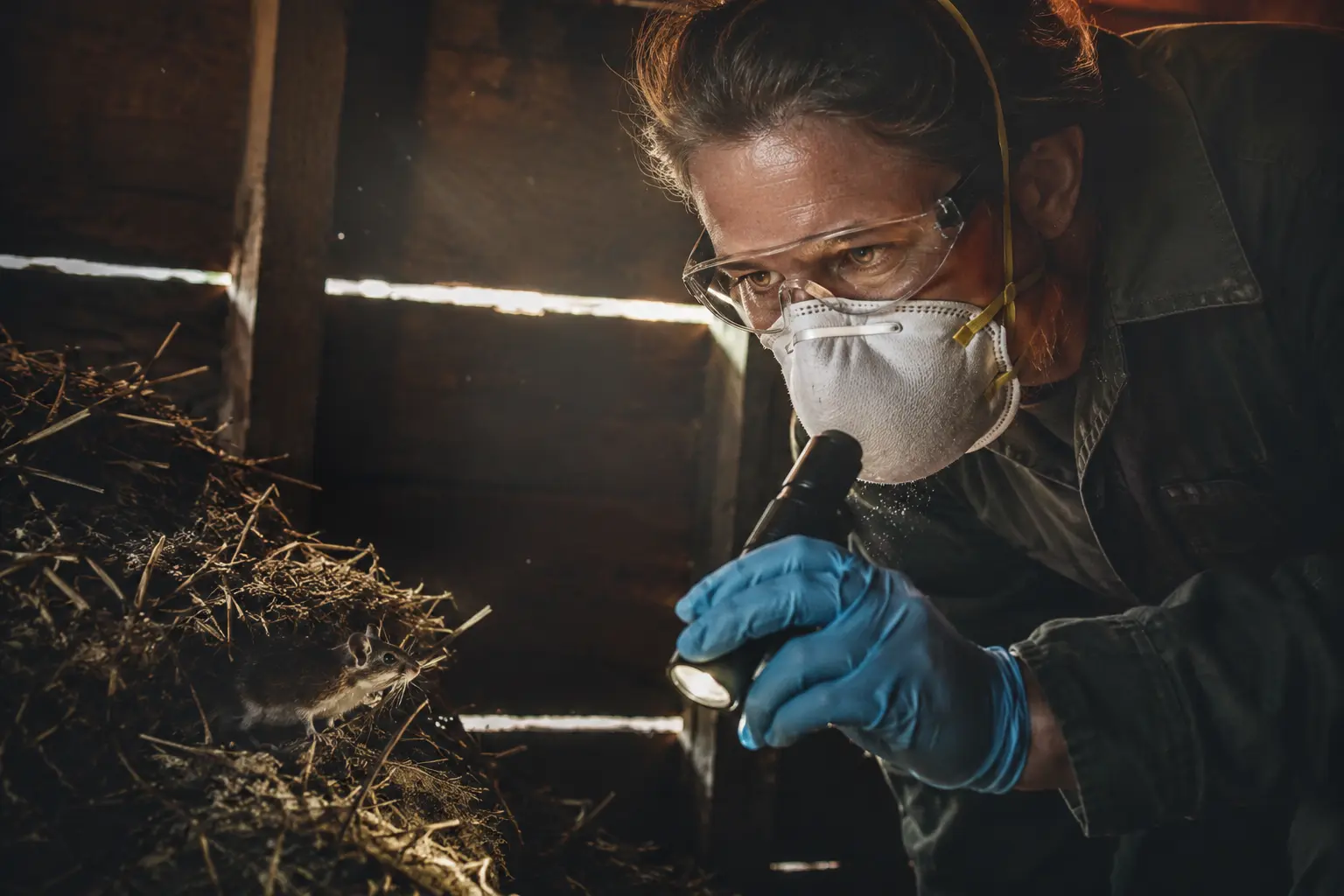
You wake up feeling exhausted, your chest feels tight when you breathe, and something just feels off, but you can’t quite name it, so here’s hantavirus explained simply: it’s a serious infection spread through rodent contact that starts like the flu and can escalate fast.
Understanding hantavirus symptoms
When hantavirus first shows up, it masquerades as the flu, which is exactly why so many women miss it. You might wake up with a fever, feel your muscles aching like you’ve been hit by a truck, and experience this bone-deep fatigue that makes even scrolling through your phone feel exhausting. The tricky part? These early signs feel so ordinary that you might brush them off as a seasonal bug. But here’s where it gets serious: within days, the infection can shift gears. Your breathing becomes labored, you feel a tightness in your chest, and suddenly you’re struggling to catch your breath during simple tasks like climbing stairs or walking to your car. Some women describe it as feeling like someone is sitting on their chest. This rapid progression from manageable flu-like symptoms to severe respiratory distress is what makes hantavirus particularly dangerous and why recognizing the shift matters so much.
- Flu-like symptoms initially (fever, muscle aches, fatigue)
- Rapid progression to respiratory distress within days
- Potential for severe outcomes if left untreated
Identifying hantavirus risk factors
Hantavirus spreads primarily through contact with infected rodent droppings or urine, and this is where many women find themselves at unexpected risk. Picture this: you’re cleaning out that storage closet you’ve been avoiding, or you’re tackling the garage after winter, and you discover mouse droppings scattered across old boxes or in forgotten corners. Without proper protection, inhaling dust particles from contaminated areas can expose you to the virus. Women who live in rural areas, work in agriculture, or even those in suburban homes with basement or attic access face higher exposure. The risk intensifies when you’re cleaning without gloves or masks, when you’re stirring up dust from areas where rodents have nested, or when you’re disposing of contaminated materials without understanding the danger. Even handling firewood stored outdoors or cleaning a cabin that’s been closed up for months can put you in contact with infected rodent waste.
💬 Ready to feel better in 2 minutes?choose where to begin:
Preventing hantavirus infection
Prevention starts with making your living spaces inhospitable to rodents in the first place. Seal gaps around pipes, vents, and foundation cracks where rodents might squeeze through, check your weatherstripping on doors and windows, and store food in airtight containers away from potential pests. When you do need to clean areas where rodents may have been, this is non-negotiable: wear an N95 mask to avoid inhaling contaminated dust, use gloves to protect your skin, and ventilate the space thoroughly by opening windows. Spray the area lightly with disinfectant before sweeping to minimize dust, then carefully dispose of contaminated materials in sealed bags. Many women skip these steps thinking they’re being overly cautious, but the truth is that hantavirus is serious enough that these precautions aren’t excessive, they’re essential. Keep your home clean and clutter-free, trim vegetation away from your house, and consider professional pest control if you notice signs of rodent activity.
Seeking medical attention
If you’ve had possible rodent exposure and then develop symptoms like fever, muscle aches, and fatigue that progress to breathing difficulties, don’t wait to see if it passes. Contact your doctor immediately and mention your potential exposure history, as this detail helps them consider hantavirus in their assessment. Early medical evaluation is crucial because while hantavirus can be serious, getting professional care quickly improves your chances of managing it effectively. Don’t minimize your symptoms or assume you’re just dealing with a regular flu, especially if you know you’ve been in environments where rodent contact was possible. Be honest with your healthcare provider about where you’ve been and what you’ve been exposed to. If you’re experiencing severe shortness of breath or chest pain, seek emergency care rather than waiting for a regular appointment. Your doctor can run tests to confirm whether hantavirus is the culprit and discuss appropriate management strategies tailored to your situation.
Hantavirus poses a real threat with flu-like symptoms that can quickly escalate to severe respiratory distress. Understanding the risks, identifying symptoms, taking preventive measures, and seeking prompt medical attention are key in dealing with this potentially fatal infection.
How is hantavirus transmitted?
Hantavirus is primarily transmitted through contact with infected rodent droppings or urine, particularly when cleaning enclosed spaces where rodents may have been present.
What are the main symptoms of hantavirus infection?
Hantavirus initially presents with flu-like symptoms such as fever, muscle aches, and fatigue, but can progress rapidly to severe respiratory issues like difficulty breathing.
Others also read:
Disclaimer: This article is for informational purposes only and is not a substitute for professional medical advice. Always consult a healthcare professional for personal guidance.
This article presents an experience-based perspective and has been reviewed by the GlobalHealthBeacon editorial team in 2026. It provides structured, evidence-based information to support informed health decisions.
