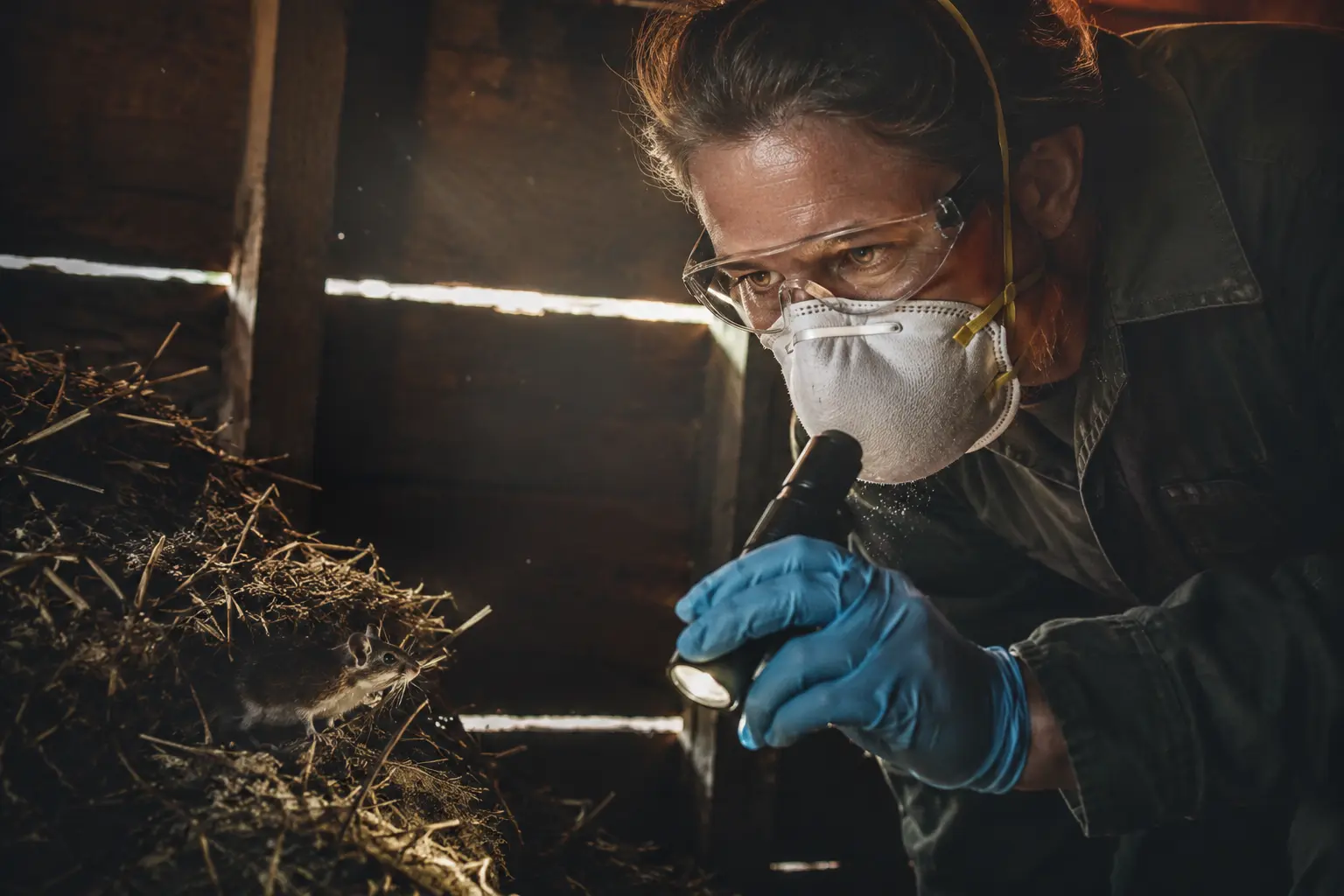
You’ve heard whispers about hantavirus, felt that creeping worry when you spot rodent droppings in your garage or basement, and wondered if you’re actually at risk, but hantavirus explained simply means understanding that this rare illness is preventable and manageable when you know what you’re actually facing.
Understanding the basics of hantavirus
Hantavirus is a rare but serious illness transmitted to humans through contact with infected rodents, and understanding how it spreads is your first line of defense. The virus lives in the lungs, urine, and droppings of infected rodents like deer mice, cotton rats, and rice rats. When you’re exposed to contaminated areas, you’re inhaling tiny particles that can settle deep in your respiratory system. Picture this: you’re cleaning out a shed you haven’t used in months, stirring up dust from old rodent droppings without realizing it. That’s how exposure happens. Early symptoms often feel like a regular flu, with fatigue, fever, muscle aches, and dizziness appearing within one to eight weeks. But here’s what matters: knowing this progression helps you catch it early. The illness can escalate to severe respiratory distress if left untreated, which is why recognizing those initial warning signs becomes critical. Preventive measures like rodent control, sealing entry points in your home, proper ventilation in enclosed spaces, and avoiding contact with potentially contaminated areas are essential steps you can take right now.
- Hantavirus is primarily spread through the lungs via the inhalation of aerosolized virus particles from rodent droppings, urine, or saliva.
- Early symptoms may include fatigue, fever, muscle aches, and dizziness, progressing to more severe respiratory distress.
- Preventive measures such as rodent control, proper ventilation in closed spaces, and avoiding contact with potentially contaminated areas are essential.
Debunking common myths
Misconceptions about hantavirus can fuel unnecessary panic and lead you to make poor decisions about your health. One major myth is that hantavirus spreads from person to person like the flu. It doesn’t. You cannot catch hantavirus from an infected family member, coworker, or friend. The virus requires direct contact with infected rodents or their contaminated environments. Another common misconception is that all rodent droppings carry hantavirus. They don’t. Most rodent droppings are harmless, but you can’t tell by looking, so treating all rodent evidence as potentially dangerous is the safest approach. Some women worry that pregnancy increases their vulnerability to hantavirus complications. While any serious illness during pregnancy requires careful management, hantavirus risk isn’t inherently higher for pregnant women compared to other adults. A third myth suggests that hantavirus is widespread and common. In reality, confirmed cases in the United States average fewer than 100 per year, making it genuinely rare. Understanding these facts helps you respond with appropriate caution rather than fear, allowing you to take practical protective steps without becoming paralyzed by worry.
📘 Fix your day in under 2 minuteschoose where to begin:
Recognizing early symptoms
Early detection of hantavirus symptoms is crucial because prompt medical intervention can significantly impact your outcome and improve your chances of recovery. The illness typically begins with a phase that feels deceptively like a common viral infection. You might notice fatigue that seems disproportionate to your activity level, a fever that comes and goes, muscle aches throughout your body, and dizziness that makes standing or moving uncomfortable. Some women also report headaches and chills during this initial phase. This phase can last from one to eight weeks, and here’s what makes it tricky: these symptoms are so generic that you might dismiss them as a regular cold or flu. The key is context. If you’ve recently been in an area with known rodent activity, cleaned a space with rodent evidence, or spent time in rural or rustic environments, pay closer attention to how you’re feeling. After this initial phase, if the illness progresses, you’ll notice shortness of breath, a persistent cough, and chest discomfort. This is when seeking immediate medical attention becomes non-negotiable. Don’t wait or assume it will pass. Write down when symptoms started, what you were doing when exposure might have occurred, and any environmental factors you remember. This information helps your doctor make a faster diagnosis.
Seeking medical attention
If you suspect you’ve been exposed to hantavirus or are experiencing symptoms such as shortness of breath, coughing, or chest pain, seeking immediate medical attention is not optional. Early diagnosis and treatment are genuinely key in managing this disease and preventing severe complications. When you call your doctor or visit an urgent care facility, be direct about your potential exposure. Tell them if you’ve been in areas with rodent activity, cleaned spaces with rodent droppings, or spent time in rural environments within the past eight weeks. This context helps them consider hantavirus as a possibility rather than dismissing your symptoms as a routine respiratory infection. Your doctor may order blood tests to check for hantavirus antibodies or perform other diagnostic tests to confirm the illness. There’s no specific cure for hantavirus, but early medical care focuses on managing your symptoms, monitoring your oxygen levels, and providing respiratory support if needed. In severe cases, hospitalization with intensive care monitoring becomes necessary. Don’t hesitate to go to the emergency room if you’re experiencing severe shortness of breath, chest pain, or difficulty breathing. Trust your instincts about your body. If something feels seriously wrong, get evaluated. Early intervention has made a real difference in outcomes for women who’ve contracted this illness.
Preventive measures for protection
Taking proactive steps to prevent hantavirus infection is essential, especially if you live in or frequently visit high-risk areas like rural regions, older buildings, or spaces prone to rodent infestations. Start with your immediate environment. Seal cracks and gaps around your home’s foundation, windows, and doors where rodents could enter. Use steel wool or caulk, as rodents can chew through softer materials. Keep your living spaces clean and free of food debris that attracts rodents. Store food in sealed containers, remove garbage regularly, and don’t leave pet food sitting out overnight. If you discover rodent droppings or evidence of rodent activity, don’t panic and don’t use a vacuum or broom, which can aerosolize particles. Instead, spray the area with a disinfectant, let it sit for several minutes, then carefully wipe it up with paper towels or cloth. Wear gloves and a mask if possible. Ensure proper ventilation in enclosed spaces like basements, attics, and storage areas. If you’re cleaning a space with known rodent activity, open windows and doors to allow air circulation. Consider professional pest control if you have an active infestation. Educate yourself and your household about these preventive practices. Knowledge is your strongest tool in protecting your health and your family’s wellbeing.
Hantavirus is a serious but rare illness transmitted by infected rodents, with early symptoms that can escalate to severe respiratory distress if left untreated. Debunking myths helps you respond with appropriate caution rather than fear. Recognizing early symptoms like fatigue, fever, and muscle aches allows you to seek medical attention promptly. Taking preventive measures such as rodent control, sealing entry points, and maintaining proper ventilation significantly reduces your risk. Understanding the facts about hantavirus empowers you to protect yourself and your family effectively.
Can hantavirus be transmitted from person to person?
No, hantavirus is not transmitted from person to person. The primary mode of transmission is through contact with infected rodents and their excreta. You cannot catch hantavirus from an infected family member, coworker, or friend, making person-to-person transmission extremely unlikely.
What areas are at a higher risk for hantavirus infection?
Areas with high rodent populations, such as rural regions, older buildings, spaces with inadequate sanitation practices, and environments where rodents have easy access pose a higher risk for hantavirus infection. Basements, attics, sheds, and storage areas are common exposure locations.
Others also read:
Disclaimer: This article is for informational purposes only and is not a substitute for professional medical advice. Always consult a healthcare professional for personal guidance.
This guide has been prepared and reviewed by the GlobalHealthBeacon editorial team and reflects current medical research as of 2026. It provides structured, evidence-based information to support informed health decisions.
