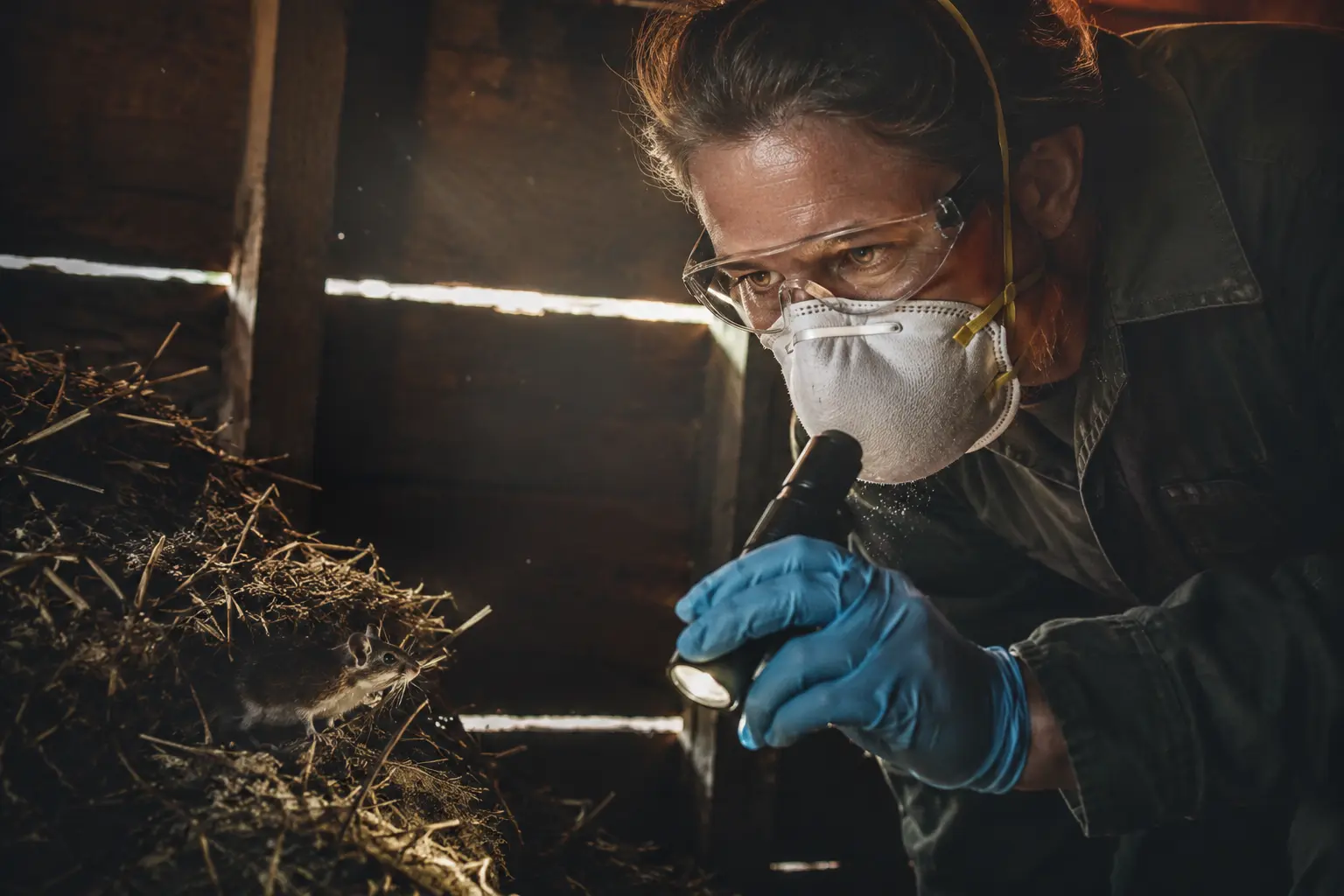
You’re cleaning out the garage or opening a cabin you haven’t visited in months, and suddenly you’re wondering if that mouse droppings could actually kill you, and that’s where hantavirus explained simply becomes the clarity you desperately need right now.
Understanding hantavirus: what you need to know
Hantavirus is a potentially fatal virus transmitted by rodents, particularly deer mice, through their urine, droppings, or saliva. Infection occurs when you inhale airborne particles containing the virus, often during activities like sweeping out a shed or cleaning an attic where rodents have nested. Think of it this way: a single infected mouse can contaminate a space with virus particles that remain dangerous for days. Early symptoms can mimic the flu at first, which is why many people don’t immediately suspect hantavirus. You might feel feverish, experience muscle aches, and feel unusually fatigued. But here’s what makes hantavirus different from a regular cold: it can rapidly progress to severe respiratory distress within days. For seniors, this progression can be particularly serious because your immune system may take longer to mount a defense. The virus attacks the lungs and can cause fluid buildup, making it harder to breathe. Understanding this progression helps you recognize when something feels genuinely wrong versus a typical seasonal illness.
- Rodent contact is the primary source of hantavirus transmission, especially through dried droppings that become airborne when disturbed.
- Early symptoms include fever, muscle aches, and fatigue, often appearing 1 to 8 weeks after exposure.
- Prompt medical attention is crucial if hantavirus is suspected, as early treatment can improve outcomes significantly.
Signs and symptoms: how to identify a hantavirus infection
Recognizing the signs of hantavirus infection is vital because early detection genuinely changes outcomes. The infection typically unfolds in two stages. First comes the prodromal phase: you feel like you’re catching something, with headache, dizziness, chills, and muscle pain that seems worse than a typical flu. You might also experience nausea or vomiting. Many seniors mistake this for a regular illness and wait it out at home. This is where awareness matters. If you’ve had recent rodent exposure and develop these symptoms, mention it to your doctor immediately. The second phase is more serious: as the infection progresses, you develop coughing and shortness of breath. Your oxygen levels may drop, making even simple activities like walking to the kitchen feel exhausting. In severe cases, respiratory failure can occur, requiring hospitalization and mechanical ventilation. The timeline matters too. Symptoms can appear anywhere from one to eight weeks after exposure, which is why you might not immediately connect your illness to that time you cleaned out the garage. Pay attention to the combination of symptoms: fever plus muscle pain plus sudden shortness of breath is a red flag that warrants immediate emergency care.
📘 Fix your day in under 2 minuteschoose where to begin:
Prevention tips: minimize your risk of hantavirus exposure
To reduce your risk of hantavirus infection, start by avoiding direct contact with rodents or areas contaminated with rodent feces. This means wearing gloves and a mask when cleaning spaces where rodents may have nested. Never sweep or vacuum rodent droppings, as this creates airborne particles. Instead, spray the area with disinfectant first to dampen the particles, then carefully wipe with paper towels. Seal any potential entry points for rodents in your home, including gaps around pipes, cracks in foundation, and holes near windows. Check your attic, basement, and crawl spaces regularly for signs of rodent activity. Make sure to ventilate closed-up spaces before cleaning by opening windows and doors for at least 30 minutes. If you’re opening a seasonal cabin or storage building, do this ventilation step first. Store food in sealed containers, keep garbage in rodent-proof bins, and remove potential nesting materials like old newspapers or cardboard. Outdoors, trim vegetation away from your home’s foundation and keep woodpiles at least 100 feet away. These practical steps create an environment where rodents are less likely to settle, significantly reducing your exposure risk.
Seeking help: when to consult a healthcare professional
If you suspect hantavirus exposure or experience symptoms like fever, muscle pain, and sudden onset of shortness of breath, seek immediate medical attention rather than waiting to see if symptoms improve. Don’t call your regular doctor’s office and wait for an appointment. Go to an emergency room or urgent care facility and explicitly mention your rodent exposure history. This information helps medical staff recognize hantavirus quickly, as it’s not something they encounter every day. Early detection and treatment are crucial for a positive outcome. Doctors can run blood tests to confirm hantavirus and monitor your respiratory function closely. If you’re hospitalized, supportive care like oxygen therapy and careful fluid management can make the difference between recovery and serious complications. Be specific about when and where you were exposed to rodents. Were you cleaning a garage? Opening a cabin? Working in a shed? These details help establish the timeline and confirm the diagnosis. For seniors, hospitalization may be necessary even if symptoms seem mild, because your body may need extra support managing the infection. Don’t hesitate to go to the emergency room if you feel your breathing is worsening or if you develop chest pain.
Staying safe: promoting a hantavirus-free environment
Maintain cleanliness in and around your living space to deter rodents and reduce hantavirus risk. Store food in sealed containers, dispose of garbage promptly in rodent-proof bins, and keep outdoor areas well-maintained by removing brush piles and tall grass where rodents hide. Inside your home, declutter regularly because rodents nest in undisturbed spaces filled with paper and fabric. Check under sinks, in closets, and behind appliances where mice often build nests. Seal gaps around pipes and utility lines where rodents enter. By practicing good hygiene and rodent control, you lower the risk of hantavirus transmission significantly. For seniors living alone, consider asking family or friends to help with attic cleaning or basement maintenance where rodent exposure is highest. If you notice droppings or signs of rodent activity, contact a professional pest control service rather than handling it yourself. They have proper equipment and training to safely remove contamination. Regular inspection of your home, especially as seasons change, helps you catch rodent problems early before populations grow. This proactive approach gives you peace of mind and genuine protection against hantavirus exposure.
Hantavirus, a virus carried by rodents, poses a serious health risk if not managed effectively. Recognizing the symptoms, preventing exposure, and seeking medical help promptly are essential in safeguarding against this potentially fatal infection.
Can hantavirus be transmitted from person to person?
No, hantavirus is not transmitted from person to person. It is spread through contact with infected rodents and their droppings.
Is there a vaccine available for hantavirus?
Currently, there is no specific vaccine for hantavirus. Prevention measures include avoiding rodent contact and maintaining a clean living environment to reduce the risk of exposure.
Others also read:
Disclaimer: This article is for informational purposes only and is not a substitute for professional medical advice. Always consult a healthcare professional for personal guidance.
This guide has been prepared and reviewed by the GlobalHealthBeacon editorial team and reflects current medical research as of 2026. It provides structured, evidence-based information to support informed health decisions.
