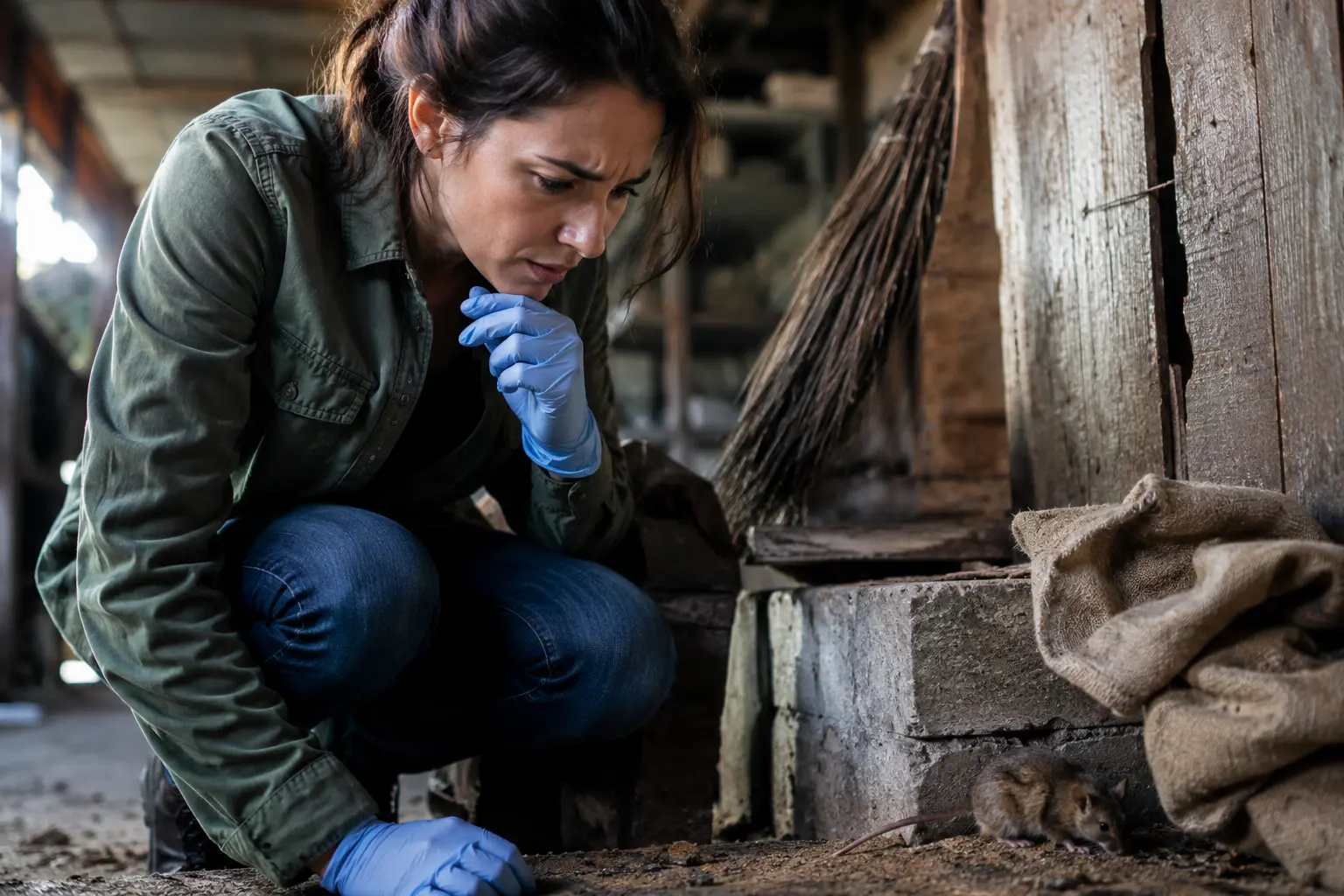
You’ve heard whispers about hantavirus, maybe felt that creeping worry when you found droppings in your garage or cabin, and now hantavirus facts and myths are swirling in your head leaving you unsure what’s actually dangerous and what’s just fear talking.
The basics of hantavirus
Hantavirus belongs to a family of viruses primarily transmitted by rodents, particularly deer mice, cotton rats, and rice rats depending on your geographic location. When an infected rodent sheds the virus through urine, feces, or saliva, these particles can become airborne or settle on surfaces where humans may encounter them. The virus doesn’t survive long in the environment, but dried particles can remain viable for weeks. Picture this: you’re cleaning out a storage shed you haven’t used in months, stirring up dust and debris. If infected rodents nested there, you could inhale virus particles without even realizing it. Understanding this basic transmission pathway is foundational because it shifts the focus from vague fear to specific, preventable exposure scenarios. The virus itself is relatively fragile outside the rodent host, which is actually good news for prevention strategies.
Transmission myths debunked
One persistent myth suggests hantavirus spreads person-to-person like flu, causing unnecessary panic and social stigma around infected individuals. In reality, hantavirus transmission requires direct contact with infected rodent excreta or inhalation of contaminated particles. You cannot catch hantavirus from shaking hands with someone who has it, sharing meals, or caring for a patient without proper precautions. Another common misconception is that all rodents carry hantavirus, when actually only specific species in particular regions pose risk. Some women worry they’re at higher risk due to gender, but hantavirus doesn’t discriminate based on sex. What matters is exposure to contaminated environments. By separating fact from fiction, you can focus protective energy where it actually counts: preventing rodent contact and maintaining clean living spaces rather than avoiding infected people or assuming all rodents are dangerous.
Identifying high-risk environments
High-risk environments share common characteristics: they attract rodents and provide shelter where the virus can persist. Barns, sheds, cabins left vacant seasonally, and basements with poor ventilation create ideal rodent habitats. Rural properties, especially those with grain storage or compost piles, see higher rodent activity. Consider a woman who inherits a family cabin in a wooded area; she might open it for spring cleaning only to find extensive rodent droppings in corners and attics. This scenario represents genuine risk. Urban apartments near parks or with accessible food sources also warrant attention. Garages where garden tools and supplies accumulate, attics with insulation damage, and crawl spaces under homes are frequently problematic. The key is recognizing that any space where rodents can live undisturbed for extended periods becomes a potential exposure zone. Even a single mouse can shed virus particles across a large area through its droppings and urine.
- Seal any cracks or holes in your home to prevent rodent entry, paying special attention to foundation gaps, pipe penetrations, and areas where utilities enter.
- Keep food stored in airtight containers to avoid attracting rodents, including pet food, birdseed, and pantry items that rodents find appealing.
- Practice proper waste disposal to eliminate potential rodent food sources by using sealed trash cans and composting responsibly away from living areas.
🔬 Science-backed benefits in 2 minuteschoose where to begin:
Symptoms and diagnosis
Hantavirus infection typically begins with flu-like symptoms appearing one to five weeks after exposure: fever, muscle aches, fatigue, and headache. Early symptoms can feel deceptively mild, leading some women to dismiss them as seasonal illness. However, hantavirus can progress to hantavirus pulmonary syndrome, characterized by coughing, shortness of breath, and fluid in the lungs. This progression can happen rapidly over days. Diagnosis involves blood tests detecting specific antibodies or viral RNA, though early infection may not show detectable antibodies immediately. A woman experiencing respiratory symptoms after known rodent exposure should inform her healthcare provider about that exposure history, as it guides testing decisions. Chest X-rays often show characteristic patterns. The challenge is that early symptoms mimic common illnesses, so context matters enormously. If you’ve been in a rodent-contaminated space and develop respiratory symptoms, that connection is critical information for your doctor.
Preventive measures
Prevention centers on three strategies: eliminating rodent access, reducing rodent populations, and protecting yourself during necessary exposure. Rodent-proofing involves sealing entry points smaller than a dime, removing food sources, and eliminating clutter where rodents hide. For women managing rural properties or seasonal homes, this might mean quarterly inspections and maintenance. When cleaning spaces with potential rodent contamination, wear an N95 mask and gloves, spray surfaces with disinfectant before sweeping to avoid aerosolizing particles, and dispose of droppings in sealed bags. Never vacuum or sweep dry droppings. Trapping reduces existing rodent populations, though professional pest control often proves more effective than DIY approaches. Some women hesitate to handle rodent issues alone; hiring professionals is a valid strategy. Maintaining good ventilation in storage areas and living spaces reduces airborne virus concentration. These measures aren’t complicated, but consistency matters more than perfection.
Treatment and prognosis
Currently, no specific antiviral medication targets hantavirus directly, making early medical intervention crucial for managing symptoms and supporting recovery. Treatment focuses on supportive care: oxygen therapy for respiratory distress, fluid management, and monitoring for complications. Women hospitalized with hantavirus pulmonary syndrome receive intensive care monitoring because the condition can deteriorate quickly. Prognosis varies significantly based on individual health factors, age, overall fitness, and how quickly medical care begins. Some people recover fully with appropriate treatment, while others experience prolonged recovery or complications. Mortality rates for hantavirus pulmonary syndrome range from 25 to 50 percent in confirmed cases, though many mild infections may go undiagnosed. Factors improving outcomes include younger age, good baseline health, and rapid medical intervention. This isn’t meant to frighten but to emphasize why prevention matters so much. The best treatment is avoiding infection entirely through environmental control and protective practices.
Understanding hantavirus transmission requires separating scientific fact from alarming myths. The virus spreads through rodent contact, not person-to-person transmission, which refocuses prevention efforts on environmental control. Identifying high-risk spaces like seasonal cabins and storage areas helps you recognize genuine exposure scenarios. Recognizing early symptoms and seeking prompt medical care improves outcomes significantly. Practical prevention measures including rodent-proofing, proper cleaning techniques, and protective equipment are straightforward to implement. By combining accurate knowledge with consistent preventive action, women can substantially reduce their hantavirus risk and respond appropriately if exposure occurs.
Can hantavirus be transmitted from person to person?
No, hantavirus is primarily spread through direct contact with infected rodent excreta, urine, or saliva, or by inhaling contaminated particles. Person-to-person transmission does not occur with hantavirus, so you cannot catch it from an infected person through normal contact.
What are the key symptoms of hantavirus infection?
Early symptoms include fever, muscle aches, fatigue, and headache appearing one to five weeks after exposure. These can progress to respiratory symptoms including cough, shortness of breath, and chest discomfort. Early diagnosis through blood tests detecting antibodies or viral RNA is essential for effective management and improving outcomes.
Others also read:
Disclaimer: This article is for informational purposes only and is not a substitute for professional medical advice. Always consult a healthcare professional for personal guidance.
This article has been prepared and reviewed by the GlobalHealthBeacon editorial team and is based on current medical research and published scientific literature available in 2026. It provides structured, evidence-based information to support informed health decisions.
