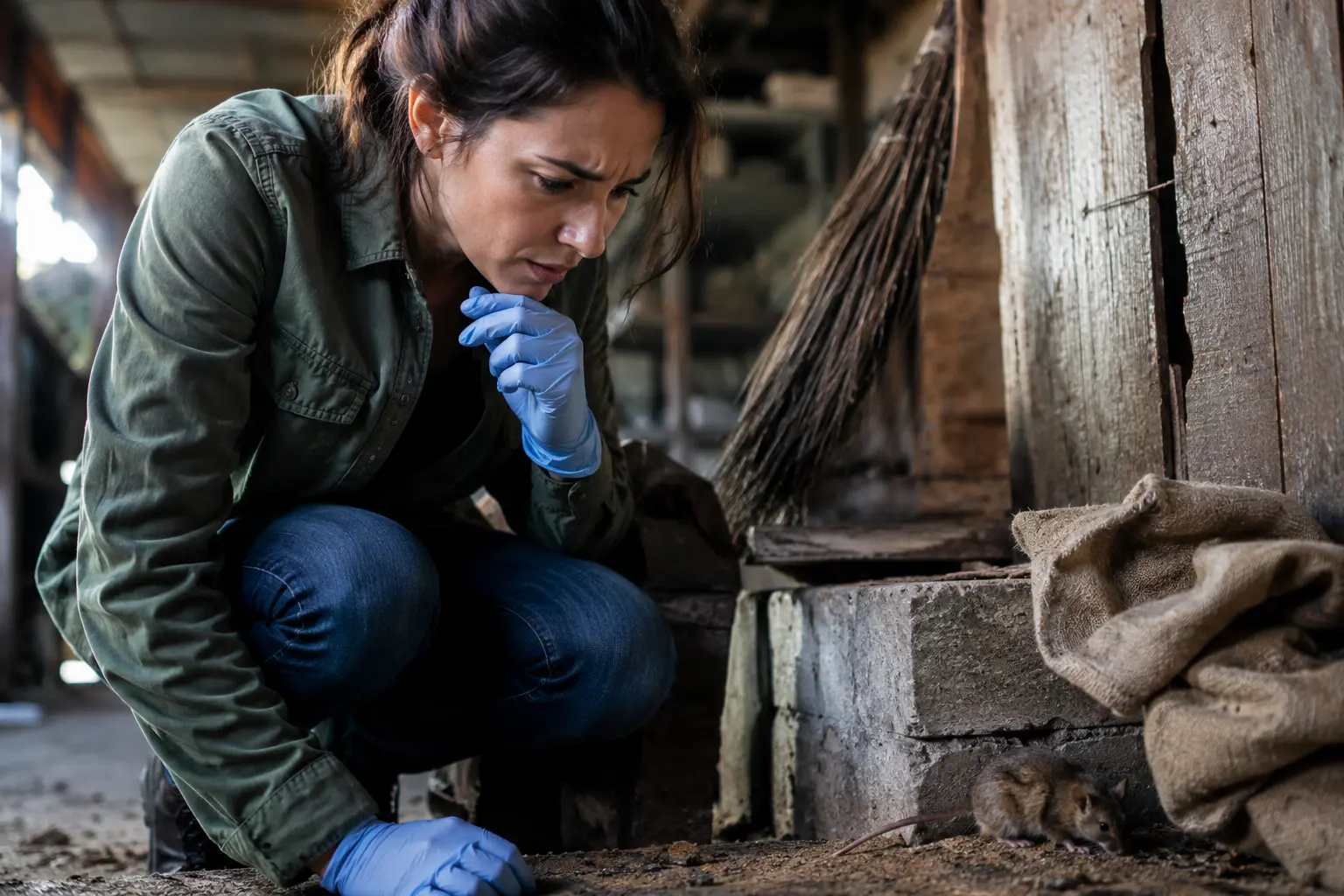
You wake up feeling tired, your chest tight, and suddenly you’re spiraling through worst-case scenarios because you swept out the garage last week, and now every ache feels like a warning sign—this is what happens when hantavirus facts and myths blur together and fear takes over.
Understanding hantavirus transmission
Hantavirus spreads in ways that might surprise you. The virus lives in infected rodent urine, feces, and saliva, but here’s what many seniors don’t realize: you don’t need to touch a mouse directly to get sick. Picture this: you’re cleaning out a storage shed you haven’t opened in months. Dust particles swirl in the air as you move boxes. That’s where the danger hides. When you breathe in air contaminated by rodent waste, the virus can enter your lungs. Ventilation is your first defense. Before you clean any rodent-infested space, crack open windows and let fresh air flow for at least 30 minutes. Wear an N95 mask and gloves. Spray the area with disinfectant first to settle dust particles before sweeping. Many people make the mistake of dry sweeping, which kicks contaminated particles into the air. Wet cleaning is safer. Understanding these specific details helps you protect yourself without becoming paralyzed by fear.
- Avoid direct contact with rodents or their droppings.
- Properly ventilate areas before cleaning rodent-infested spaces.
- Use protective gear like masks and gloves while cleaning potentially infected areas.
Recognizing hantavirus symptoms
Early hantavirus symptoms feel deceptively ordinary, which is exactly why they catch people off guard. You might wake up with a fever, muscle aches, and fatigue that feels like a heavy flu. Your head pounds. You feel exhausted in a way that sleep doesn’t fix. Days pass and you think it’s just a bad cold. But then something shifts. You notice you’re getting winded walking up stairs. Your breathing feels labored. You might feel dizzy or notice your stomach is upset. These later symptoms are the red flags that separate hantavirus from a regular illness. Some seniors describe it as a creeping sensation, where they feel progressively worse rather than better after a week. If you’ve had recent rodent exposure and develop these symptoms, that connection matters. Don’t wait it out. Seek medical attention promptly. Early recognition can make a real difference in how your body responds to treatment.
💬 Ready to feel better in 2 minutes?choose where to begin:
Evaluating the misconceptions
Myths about hantavirus spread as easily as the virus itself, and they can cloud your judgment. One common misconception: hantavirus is airborne and floats through neighborhoods. False. It requires direct contact with infected rodent materials. Another myth: you can catch it from another person. Also false. Your neighbor’s hantavirus diagnosis doesn’t put you at risk through casual contact. Some seniors worry that one exposure guarantees infection. That’s not how it works either. Not every contact with contaminated material results in illness. Your immune system matters. Your exposure level matters. The virus needs to reach your respiratory system in sufficient quantity. Understanding what’s real versus imagined helps you take sensible precautions without letting anxiety dictate your life. You’re not being careless by living normally; you’re being rational by following evidence-based prevention strategies.
Preventing hantavirus infection
Prevention starts with your living environment and the habits you build around it. Seal cracks and gaps in your home’s foundation and walls where rodents squeeze through. Check around pipes, vents, and utility lines. A mouse can fit through an opening the size of a dime. Keep your kitchen clean, store food in sealed containers, and don’t leave pet food out overnight. Rodents come where food is easy. In your garage, storage areas, and basement, maintain order. Clutter creates hiding spots. If you find droppings, don’t panic and don’t use a vacuum. Spray the area with disinfectant, let it sit for five minutes, then wipe with paper towels. Dispose of everything in a sealed bag. Wear gloves and a mask. Regular disinfection of high-risk areas, especially during seasons when rodents seek shelter indoors, reduces your risk significantly. Some seniors hire professionals for deep cleaning of rodent-affected spaces, which is a smart investment in peace of mind and safety. Prevention isn’t about becoming obsessive; it’s about being thoughtfully prepared.
Understanding how hantavirus spreads, recognizing its symptoms, dispelling common myths, and implementing preventive measures are crucial steps in evaluating the real risk it poses to seniors. By staying informed and taking proactive steps, seniors can protect themselves against potential exposure and infection.
Can I get hantavirus from another person?
Hantavirus is not transmitted from person to person. It is primarily spread through contact with infected rodents or their waste.
Are all rodents capable of carrying hantavirus?
While not all rodents carry hantavirus, some common carriers include deer mice, cotton rats, and rice rats. It’s important to be cautious around any rodent-infested areas to prevent exposure.
Others also read:
Disclaimer: This article is for informational purposes only and is not a substitute for professional medical advice. Always consult a healthcare professional for personal guidance.
This article presents an experience-based perspective and has been reviewed by the GlobalHealthBeacon editorial team in 2026. It provides structured, evidence-based information to support informed health decisions.
