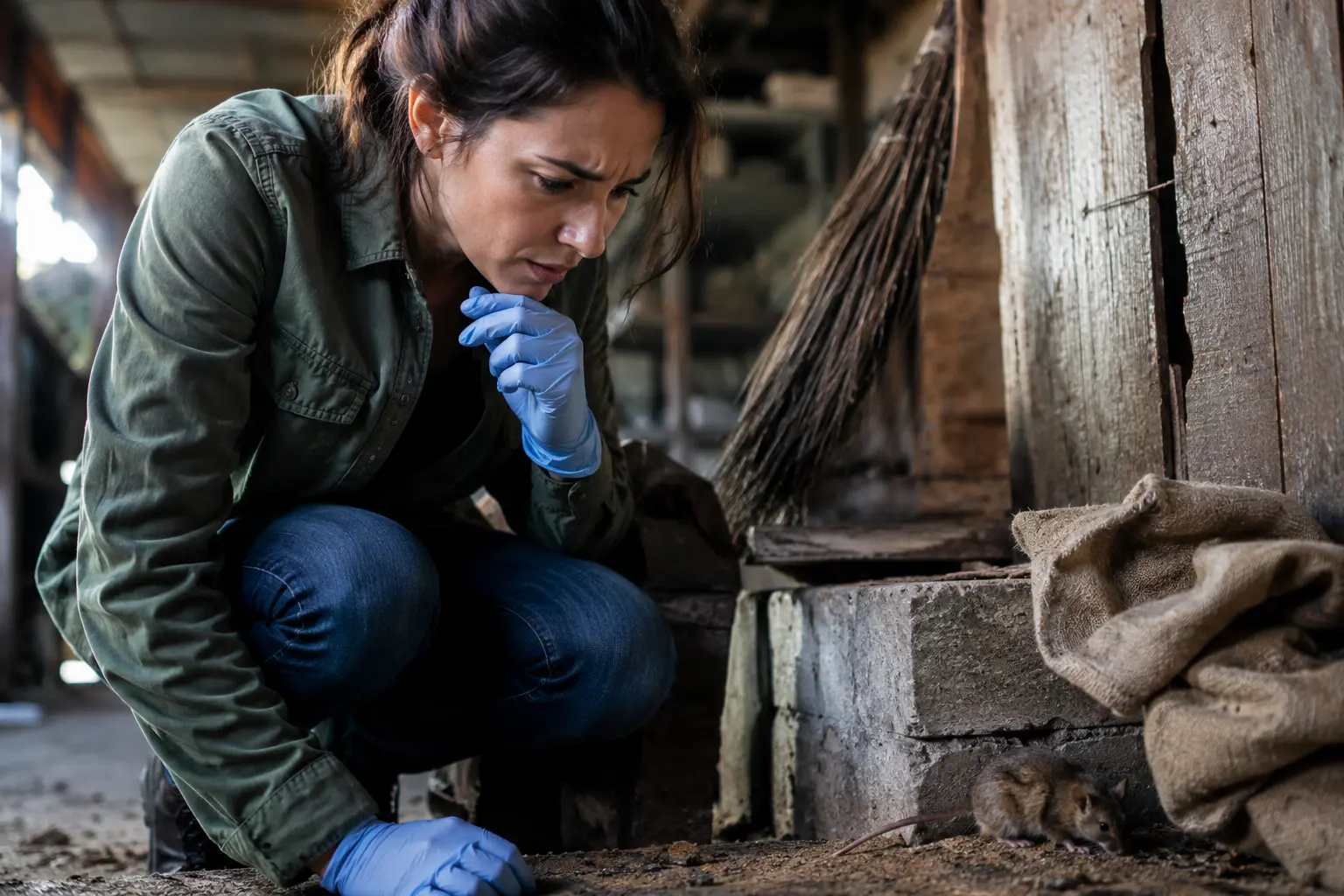
You’ve heard the warnings, felt the worry creeping in, and now you’re wondering if hantavirus facts and myths are being blown out of proportion or if you should genuinely be concerned about your home and health.
Explaining hantavirus: what seniors need to know
Hantavirus is a rare but serious virus that deserves your attention without causing panic. It spreads through contact with infected rodents, particularly deer mice, cotton rats, and rice rats found across North America. The virus lives in rodent urine, droppings, and saliva. When these materials dry out and become airborne, you can inhale particles and become infected. Hantavirus pulmonary syndrome, the condition it causes, develops in stages. Early symptoms mimic flu: fever, muscle aches, and fatigue. Within days, it progresses to severe respiratory distress as fluid fills the lungs. For seniors, whose immune systems may be weaker, recognizing these early warning signs matters tremendously. The good news: transmission requires direct contact or inhalation of contaminated particles. You cannot catch it from another person or from pets. Understanding this distinction helps you take targeted protective action rather than living in unnecessary fear.
- Rodent urine, droppings, and saliva can spread the virus when disturbed or dried particles become airborne.
- Symptoms include fever, muscle aches, fatigue, and difficulty breathing that may appear one to eight weeks after exposure.
- Early diagnosis and treatment with supportive care and oxygen therapy are crucial for better outcomes and survival.
Dispelling hantavirus myths: separating fact from fiction
Misinformation spreads faster than facts, especially with health concerns. Here’s what seniors often hear but shouldn’t believe: Myth one states that cats and dogs transmit hantavirus. This is completely false. Your pets cannot carry or spread this virus to you. Myth two claims hantavirus spreads person-to-person like the flu. Also false. You cannot catch it from a family member or caregiver. Myth three suggests that simply living near rodents guarantees infection. Not true. Exposure requires direct contact with infected rodent materials or inhalation of contaminated particles. Many people live in areas with rodents and never get sick because they practice basic prevention. Myth four insists that hantavirus is as common as the cold. Far from it. Cases remain rare, with fewer than 800 confirmed in the United States since 1993. Understanding these distinctions empowers you to protect yourself effectively without unnecessary anxiety clouding your judgment.
📘 Fix your day in under 2 minuteschoose where to begin:
Preventative measures: how seniors can stay safe
Prevention is straightforward and doesn’t require expensive equipment or dramatic lifestyle changes. Start by sealing your home. Walk around the exterior and interior, looking for gaps larger than a quarter inch. Seal cracks in foundations, holes around pipes, and gaps near doors and windows with caulk or steel wool. Rodents cannot chew through steel wool. Inside, store all food in airtight containers, including pet food and birdseed. Clean up spills immediately and don’t leave dishes in the sink overnight. Remove clutter where rodents hide: piles of papers, boxes, or fabric. If you find evidence of rodents, use proper protective equipment. Wear disposable gloves and an N95 mask before cleaning. Spray the area with disinfectant first to prevent particles from becoming airborne. Wipe surfaces with damp cloths rather than sweeping or vacuuming. Dispose of materials in sealed bags. For seniors with mobility concerns, ask family members or professional pest control services to handle these tasks. This isn’t laziness; it’s smart risk management.
Seeking help: when to consult a healthcare professional
Knowing when to seek medical attention can mean the difference between recovery and serious complications. If you’ve had potential rodent exposure and develop fever, muscle aches, fatigue, or any respiratory symptoms, contact your doctor immediately. Don’t wait to see if symptoms improve on their own. Bring up your potential exposure history explicitly. Hantavirus is rare enough that doctors might initially consider other diagnoses like flu or pneumonia. Mentioning rodent contact helps them test appropriately. Early treatment focuses on supportive care: oxygen therapy, fluids, and monitoring in a hospital setting. There is no specific antiviral medication, but early intervention prevents complications. For seniors with existing health conditions like diabetes or heart disease, the risks increase. Don’t minimize symptoms or assume they’ll pass. Call your doctor even if you’re uncertain. A quick conversation might save your life. Keep emergency numbers handy and don’t hesitate to go to the emergency room if you experience severe shortness of breath or chest pain.
Conclusion: stay informed and take precautions
Hantavirus deserves respect but not terror. You now understand the facts: it spreads through rodent contact, not pets or other people. You know the myths that circulate and why they’re wrong. Most importantly, you have concrete steps to reduce your risk. Seal your home, store food properly, and clean carefully if you find rodent evidence. These actions are manageable and effective. Stay vigilant without becoming obsessive. If symptoms develop after potential exposure, seek medical help promptly. Your awareness and proactive approach put you in control of your health. Share this knowledge with family members and friends, especially those who live in rural areas or older homes where rodent encounters are more likely. By combining practical prevention with informed decision-making, you transform worry into empowerment. You’re not helpless against hantavirus. You’re prepared.
Hantavirus, transmitted by rodents through urine, droppings, and saliva, can cause severe respiratory illness in seniors. Understanding the facts, dispelling myths like pet transmission, and taking preventive actions such as sealing homes and proper cleaning are essential for staying safe.
Can hantavirus be transmitted through pets?
No, hantavirus is primarily transmitted through direct contact with infected rodents or inhalation of contaminated particles from rodent materials. Cats and dogs cannot carry or spread this virus to humans.
What are the typical symptoms of hantavirus infection?
Symptoms include fever, muscle aches, fatigue, and difficulty breathing that may appear one to eight weeks after exposure. Early diagnosis and treatment with supportive care are crucial for recovery.
Others also read:
Disclaimer: This article is for informational purposes only and is not a substitute for professional medical advice. Always consult a healthcare professional for personal guidance.
This guide has been prepared and reviewed by the GlobalHealthBeacon editorial team and reflects current medical research as of 2026. It provides structured, evidence-based information to support informed health decisions.
