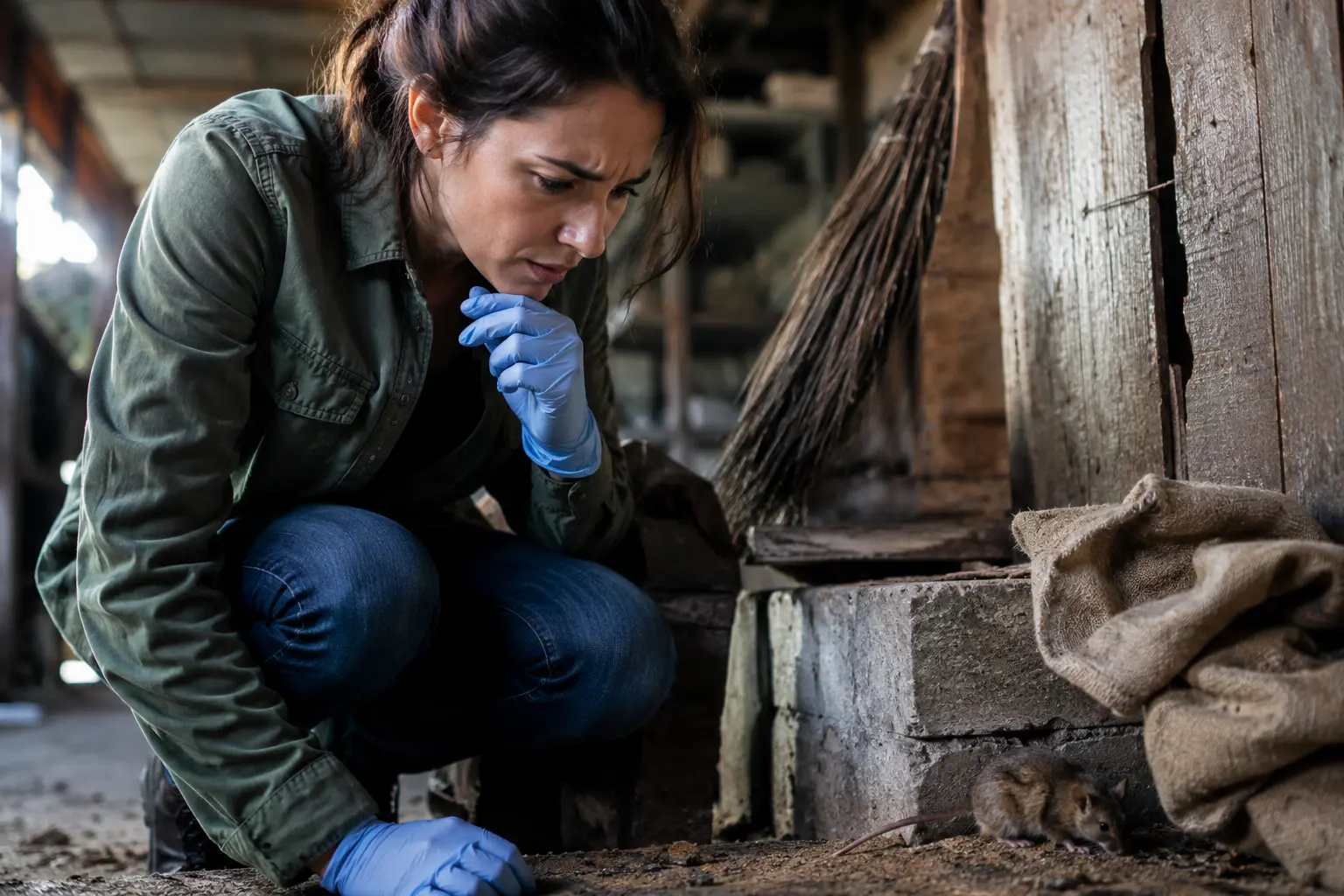
You’re worried sick after hearing about hantavirus, scrolling through forums at 2 AM wondering if you caught it from a coworker or your kid’s school, and honestly, the conflicting information out there isn’t helping, so let’s cut through the noise and get you the real hantavirus facts and myths that actually matter.
Understanding hantavirus transmission
Here’s what actually happens with hantavirus, and it’s probably not what you’ve been imagining. The virus spreads when you come into contact with infected rodent saliva, urine, or droppings, not through casual contact with other people. Think about this scenario: you’re cleaning out your garage and find mouse droppings in a corner. If you sweep them up without protection and inhale the dust, that’s a genuine risk. But if your sister has hantavirus and hugs you, you’re completely safe. The virus needs direct contact with rodent waste or aerosolized particles from that waste. Many women worry they caught it from their partner or child, but that fear is unfounded. What you should focus on instead is sealing entry points in your home, keeping rodents out in the first place, and using proper protective equipment when cleaning contaminated areas. Ventilation matters too, especially in basements and attics where rodents tend to nest.
- Hantavirus does not spread from touching or kissing someone with the virus.
- Cleaning areas contaminated by rodents’ waste requires caution to avoid inhaling the virus.
- Proper ventilation can help reduce the risk of hantavirus exposure indoors.
Identifying hantavirus symptoms
The tricky part about hantavirus is that early symptoms feel like any other illness, which is why so many women miss it or dismiss it. You might wake up with fatigue that feels deeper than usual, muscle aches that remind you of the flu, and a fever that won’t quit. These initial signs typically appear between one and eight weeks after exposure. Then things can escalate. Some people develop shortness of breath, chest tightness, or a cough that gets worse over days. This is where it becomes serious. The progression from feeling tired to respiratory distress can happen relatively quickly, which is why timing matters. If you remember potential rodent exposure in your home or workplace within the past two months and you’re experiencing these symptoms, don’t wait it out. Contact your doctor and mention the possible exposure. They can run specific tests to confirm or rule out hantavirus. Early detection genuinely changes the outcome because it allows doctors to monitor you closely and provide supportive care before complications develop.
📘 Fix your day in under 2 minuteschoose where to begin:
Dispelling hantavirus treatment myths
This is the reality that stops many women in their tracks: there is no magic pill for hantavirus. No antibiotic will cure it because it’s a virus, not a bacterial infection. No special supplement will make it disappear. What works is early detection combined with supportive care, which means your body does the fighting while doctors help you stay stable. If you’re diagnosed, your treatment plan focuses on keeping you hydrated, managing your symptoms, and monitoring your vital signs closely. Rest becomes your job. Your healthcare provider might recommend hospitalization if your symptoms worsen, especially if breathing becomes difficult. This isn’t failure or weakness, it’s smart medical management. Many women try to push through or self-treat at home, which can delay proper monitoring and care. The goal is to give your immune system the best possible conditions to fight the infection while doctors catch any complications early. Supportive care sounds simple, but it’s genuinely what saves lives in hantavirus cases.
Preventing hantavirus infection
Prevention is where you actually have power, and this is where most women can make real changes. Start inside your home. Keep it clean and clutter-free because rodents hide in piles of papers, boxes, and fabric. Store all food in sealed containers, including pet food, and don’t leave dishes out overnight. Seal cracks and holes in your walls, especially around pipes and vents. Check your basement, attic, and garage regularly for signs of rodents like droppings or gnaw marks. When you do find evidence of rodents, this is where protective equipment matters. Wear gloves and a mask when cleaning contaminated areas, and never use a vacuum or broom that might aerosolize particles. Instead, spray the area with disinfectant first, let it sit, then wipe it down carefully. Dispose of contaminated materials in sealed bags. If you have a significant rodent problem, consider calling a professional pest control service rather than handling it yourself. Outside your home, trim vegetation away from your foundation, keep garbage in sealed bins, and remove potential food sources. These practical steps create layers of protection that genuinely reduce your risk.
Seeking professional guidance
When doubt creeps in or you’re genuinely concerned you might have been exposed, don’t sit with that worry alone. Contact your healthcare provider and describe what happened. Maybe you found rodent droppings in your home, or you work in an environment where rodent exposure is possible. Maybe you’re experiencing symptoms and wondering if it could be hantavirus. Your doctor can assess your specific situation, perform the right tests, and give you clear answers instead of letting you spiral in uncertainty. They can also advise you on whether you need to take precautions at home or work, and they can monitor you if exposure occurred but symptoms haven’t developed yet. This conversation also creates a medical record, which matters if symptoms do appear later. Many women delay seeking help because they feel like they’re overreacting or they’re embarrassed about a rodent problem in their home. But doctors aren’t there to judge, they’re there to help you stay safe. Getting professional guidance early transforms anxiety into actionable information and peace of mind.
Hantavirus spreads through contact with infected rodents, early detection is crucial, no specific cure exists, prevention involves proper hygiene, and seeking medical advice is essential for peace of mind.
Can hantavirus be transmitted from person to person?
No, hantavirus is not spread through person-to-person contact but through contact with infected rodents.
Is there a cure for hantavirus infection?
There is no specific cure for hantavirus, so treatment focuses on supportive care and symptom management.
Others also read:
Disclaimer: This article is for informational purposes only and is not a substitute for professional medical advice. Always consult a healthcare professional for personal guidance.
This guide has been prepared and reviewed by the GlobalHealthBeacon editorial team and reflects current medical research as of 2026. It provides structured, evidence-based information to support informed health decisions.
