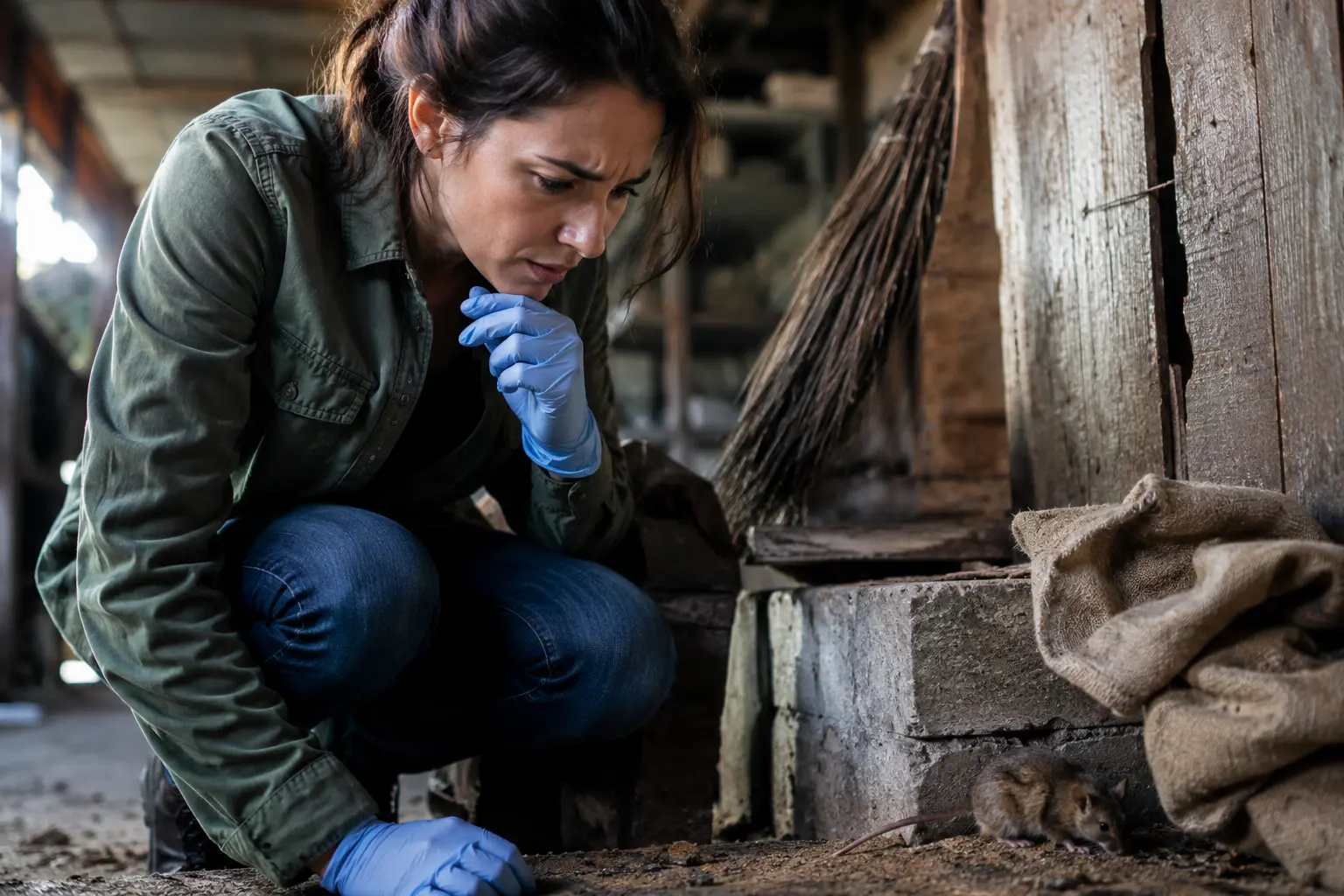
You’ve heard whispers about hantavirus, maybe caught a news story that left you worried, and now you’re stuck wondering what’s real and what’s just fear-mongering, so let’s cut through the confusion and get you the actual hantavirus facts and myths that matter.
Understanding hantavirus: the basics
Hantavirus belongs to a family of viruses called bunyaviruses, and understanding how they work is the first step toward protecting yourself. These viruses live in rodent populations, particularly deer mice, cotton rats, and rice rats, depending on your geographic location. When an infected rodent sheds the virus through its urine, feces, or saliva, it can become airborne when those materials dry out and are disturbed. Imagine sweeping out an old shed or cleaning up a garage where mice have nested for months; that dust you’re stirring up could contain viral particles. The virus enters your body primarily through the respiratory tract when you inhale contaminated air, though it can also enter through cuts or abrasions on your skin. Once inside, the virus begins to replicate in your lungs and other organs, triggering an immune response that causes the symptoms you might experience.
Dispelling common myths
The biggest myth circulating is that hantavirus spreads easily from person to person, like the flu or cold. This simply isn’t true, and understanding why matters for your peace of mind. Hantavirus requires direct contact with infected rodent materials or inhalation of contaminated dust; it doesn’t travel through the air from one person to another the way respiratory viruses do. You won’t catch hantavirus from shaking someone’s hand, sharing a meal, or being in the same room with an infected person. There’s also a misconception that hantavirus is everywhere and unavoidable, which isn’t accurate either. The virus is found in specific rodent populations in certain regions, primarily the western United States, though cases have been documented elsewhere. Another common misunderstanding is that all rodents carry hantavirus; in reality, only certain species in particular areas are infected. By separating fact from fiction, you can take targeted precautions without living in unnecessary fear.
Symptoms and risk factors
Hantavirus infections typically develop in two stages, and recognizing the early signs can make a real difference. The first stage feels like a general illness: fever, muscle aches, chills, and fatigue that might seem like the flu. You might also experience headaches and abdominal discomfort. This phase usually lasts three to seven days. Then comes the critical second stage, where respiratory symptoms emerge. You may develop a cough, shortness of breath, or chest tightness as fluid accumulates in the lungs. This is when the infection becomes serious and requires immediate medical attention. Your risk increases significantly if you live in rural areas, spend time in cabins or storage buildings where rodents nest, work in agriculture or forestry, or have occupations that expose you to rodent-infested spaces. Seniors with compromised immune systems face higher risk of severe outcomes. Even activities like camping, hiking near rodent burrows, or cleaning out long-unused spaces can elevate your exposure risk.
- Learn to recognize the symptoms of hantavirus infection, starting with flu-like signs such as fever and muscle aches, followed by respiratory symptoms like cough and shortness of breath.
- Take precautions to avoid exposure to rodents and their excreta by sealing home entry points, storing food in rodent-proof containers, and avoiding disturbing rodent nests or droppings.
- Seek medical attention if you suspect hantavirus infection, especially if you develop respiratory symptoms after potential rodent exposure, as early intervention is critical.
🔬 Science-backed benefits in 2 minuteschoose where to begin:
Preventive measures
Prevention is genuinely your best defense against hantavirus, and the good news is that practical steps work well. Start by eliminating rodent habitats around your home and property. Trim vegetation away from your house, remove brush piles and wood stacks, and keep your yard clear of debris where rodents like to hide. Inside your home, store all food in sealed containers, including pet food, and don’t leave crumbs or garbage accessible. Seal cracks and holes in your foundation, walls, and around pipes and vents using steel wool or caulk; rodents can squeeze through surprisingly small openings. If you find rodent droppings, never sweep or vacuum them dry, as this aerosolizes the virus. Instead, spray the area with a disinfectant, let it sit, then carefully clean it up with gloved hands. When cleaning cabins or storage areas, wear an N95 mask and gloves. Proper ventilation is crucial when working in potentially contaminated spaces. These measures significantly reduce your risk without requiring dramatic lifestyle changes.
Treatment and prognosis
Currently, there is no specific antiviral medication that directly targets hantavirus, which is why early recognition and medical care are so important. Treatment focuses on supportive care: managing your symptoms, maintaining oxygen levels, and supporting your body as it fights the infection. If you develop severe respiratory symptoms, hospitalization becomes necessary, where medical teams can provide oxygen therapy and monitor your organ function closely. Intravenous fluids help maintain your hydration and blood pressure as your body battles the virus. The outcome depends on how quickly you seek care and how severe your infection becomes. Some people recover with appropriate medical support, though recovery can take weeks or months. Others face more serious complications, which is why any suspected hantavirus infection demands immediate medical evaluation. Don’t wait to see if symptoms improve on their own; the difference between early intervention and delayed care can be substantial. Your doctor can run tests to confirm hantavirus and begin appropriate supportive treatment right away.
Research and future outlook
Scientists continue studying hantaviruses to better understand transmission patterns, develop vaccines, and improve treatment options. Researchers are investigating why certain individuals develop severe disease while others have milder infections, looking at genetic factors and immune responses. Some studies explore antiviral compounds that might eventually provide specific treatment options. Public health agencies monitor hantavirus cases and rodent populations to identify emerging risks and warn communities of increased activity. Climate change is also being studied for its potential impact on rodent populations and virus spread patterns. Staying informed about these developments helps you understand the evolving landscape of hantavirus risk. Many universities and research institutions are actively working on prevention strategies and better diagnostic tools. By following reputable health sources and staying aware of research progress, you position yourself to benefit from scientific advances as they emerge.
Hantavirus is a group of viruses primarily spread through contact with infected rodents and their excreta, capable of causing severe respiratory disease in humans. Understanding the biological basics, separating fact from myth, recognizing early symptoms, and implementing practical preventive measures are essential for seniors to protect themselves from hantavirus risks. Early medical attention is critical if infection is suspected.
Can hantavirus be transmitted from person to person?
No, hantavirus is primarily transmitted through direct contact with infected rodent materials or inhalation of contaminated dust from rodent excreta. Person-to-person transmission is extremely rare and not a typical mode of spread, so you cannot catch hantavirus from an infected person through casual contact.
What are the common symptoms of hantavirus infection?
Common symptoms include fever, muscle aches, chills, fatigue, and headaches in the initial stage, followed by respiratory symptoms such as cough, shortness of breath, and chest tightness. Early recognition of these symptoms is crucial for prompt medical intervention and improved outcomes.
Others also read:
Disclaimer: This article is for informational purposes only and is not a substitute for professional medical advice. Always consult a healthcare professional for personal guidance.
This article has been prepared and reviewed by the GlobalHealthBeacon editorial team and is based on current medical research and published scientific literature available in 2026. It provides structured, evidence-based information to support informed health decisions.
