You’ve heard the scary stories about hantavirus spreading like wildfire, but here’s what’s actually happening: the hantavirus facts and myths floating around are way more dramatic than the real threat, and once you understand how this virus actually moves through the world, you’ll stop losing sleep over casual contact.
Understanding hantavirus transmission
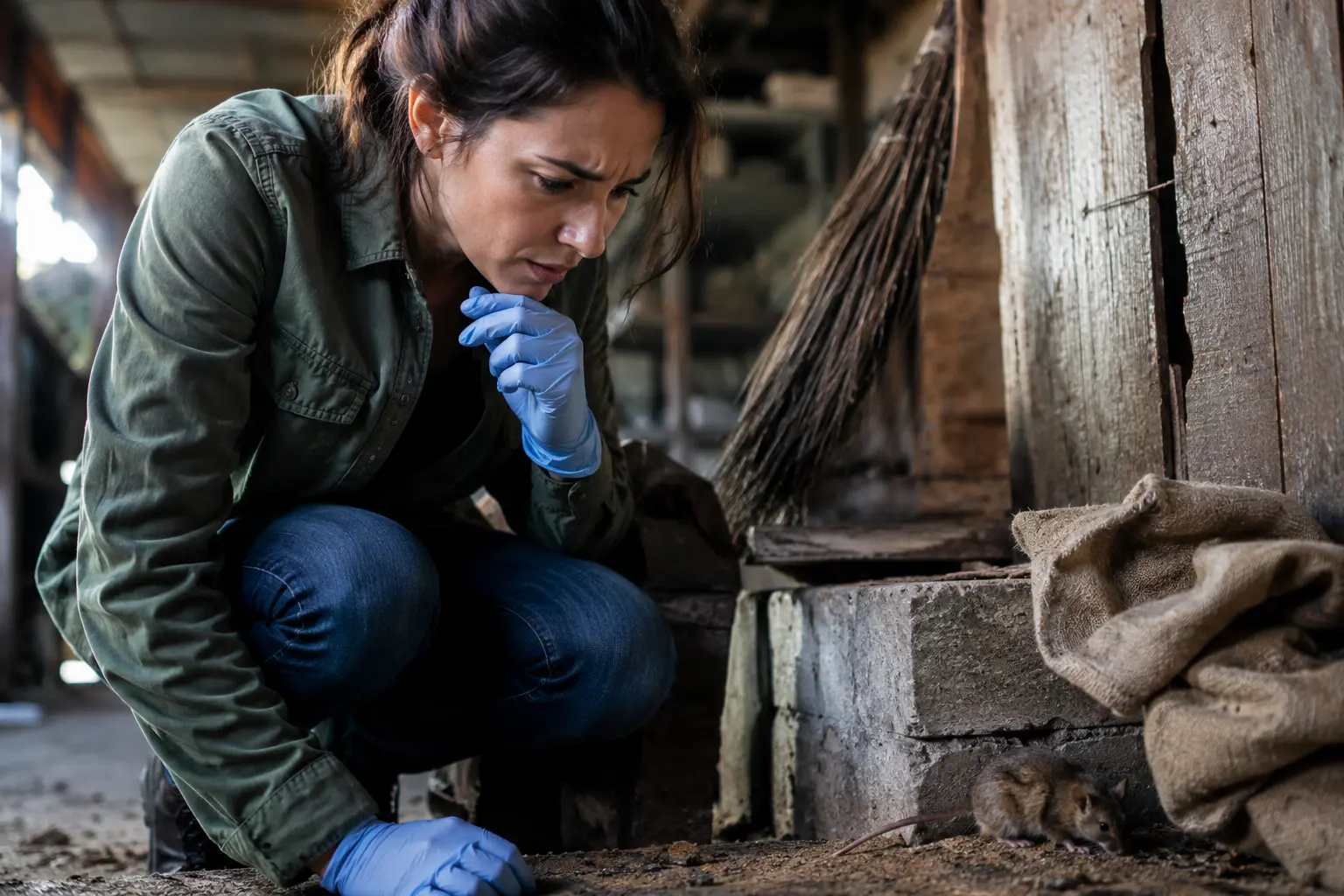
Hantavirus spreads almost exclusively through direct contact with infected rodents, not through the air between people. Picture this: you’re cleaning out an old shed and find mouse droppings everywhere. That’s where the danger lives. When you inhale dust particles from dried rodent urine or feces, or touch contaminated surfaces and then your face, the virus can enter your body. The virus doesn’t survive long in the environment, which is why transmission requires fairly direct exposure. Rodents like deer mice, cotton rats, and rice rats carry the virus in their saliva, urine, and droppings. Even touching a dead infected rodent with bare hands or breathing in particles while sweeping creates risk. The key point: hantavirus needs a rodent as its source. It doesn’t jump from person to person the way flu does.
- Direct contact with rodent urine, droppings, or saliva can lead to hantavirus infection.
- Inhaling airborne particles contaminated with hantavirus is another common route of transmission.
- Avoiding exposure to rodent-infested areas and practicing proper hygiene can help prevent hantavirus infection.
Dispelling myths about hantavirus spread
Let’s be clear: you cannot catch hantavirus from sitting next to someone on the bus, sharing a meal, or even caring for a sick family member. This is where most people get it wrong. Unlike COVID or the flu, hantavirus doesn’t travel through coughing or sneezing. A person with hantavirus poses almost no transmission risk to you. You won’t get it from touching doorknobs they’ve touched, sharing utensils, or breathing the same air. Healthcare workers treat hantavirus patients without special respiratory protection because person-to-person spread is so rare that only a handful of cases have ever been documented in medical history. The virus needs rodent involvement to establish itself in a new host. So if your coworker has hantavirus, your risk is zero. Your real risk comes from that attic space or basement where rodents have been living.
📘 Fix your day in under 2 minuteschoose where to begin:
Recognizing symptoms of hantavirus infection
Early hantavirus symptoms sneak up on you like a bad flu. You’ll feel feverish, achy, exhausted, maybe nauseous. These first symptoms typically appear one to five weeks after exposure to infected rodents. Many people dismiss it as regular illness at first. But hantavirus doesn’t stop there. As days pass, the virus progresses and breathing becomes harder. You might develop a cough, feel shortness of breath, or notice your chest feels tight. Some people experience rapid progression to severe respiratory distress within hours. The danger is that early symptoms are so generic that people often don’t connect them to rodent exposure. If you’ve been around rodent-infested spaces and suddenly feel unusually ill, that’s your signal to mention the exposure to a doctor immediately. Early medical attention makes a real difference in outcomes.
Seeking medical attention for hantavirus concerns
The moment you suspect hantavirus exposure, contact your doctor or visit an urgent care facility. Tell them specifically about rodent contact or time spent in rodent-infested areas. This detail matters because hantavirus isn’t something doctors test for automatically. You need to give them the clue. If you’re experiencing fever plus respiratory symptoms after known rodent exposure, emphasize that connection. Treatment focuses on managing symptoms and supporting your breathing while your immune system fights the virus. There’s no specific antiviral cure, but early hospitalization and respiratory support dramatically improve survival rates. Don’t wait for symptoms to worsen. Don’t assume it’s just a cold. If you cleaned an attic, found dead rodents, or worked in a space with obvious rodent activity and then got sick, that’s your moment to act. Early intervention can be lifesaving.
Preventing hantavirus infection
Prevention is straightforward and doesn’t require paranoia. Start by sealing entry points where rodents enter your home: cracks in foundations, gaps around pipes, holes in walls. Use steel wool and caulk, not just foam. Store all food in airtight, rodent-proof containers, including pet food and bird seed. When cleaning areas with rodent droppings, wet the area first with disinfectant to avoid stirring up dust, then carefully dispose of contaminated materials in sealed bags. Wear gloves and a mask if you’re doing significant cleanup. Maintain good ventilation in basements and crawl spaces. Set traps in strategic locations and dispose of dead rodents carefully using sealed bags. Keep your yard clear of brush and debris where rodents hide. These steps eliminate the conditions that attract rodents and reduce your exposure risk to near zero. Most people never encounter hantavirus because they naturally avoid rodent-heavy environments.
Hantavirus is primarily transmitted through contact with infected rodents, with person-to-person spread being rare. Recognizing symptoms, seeking medical attention when needed, and taking preventive measures are essential in managing hantavirus concerns.
Can hantavirus be transmitted from person to person?
Hantavirus is typically not spread from person to person. The primary mode of transmission is through contact with infected rodents or their droppings.
What are the key preventive measures against hantavirus?
Key preventive measures include avoiding exposure to rodents, sealing off entry points, safely cleaning up rodent-infested areas, and maintaining good hygiene practices.
Others also read:
Disclaimer: This article is for informational purposes only and is not a substitute for professional medical advice. Always consult a healthcare professional for personal guidance.
This guide has been prepared and reviewed by the GlobalHealthBeacon editorial team and reflects current medical research as of 2026. It provides structured, evidence-based information to support informed health decisions.
